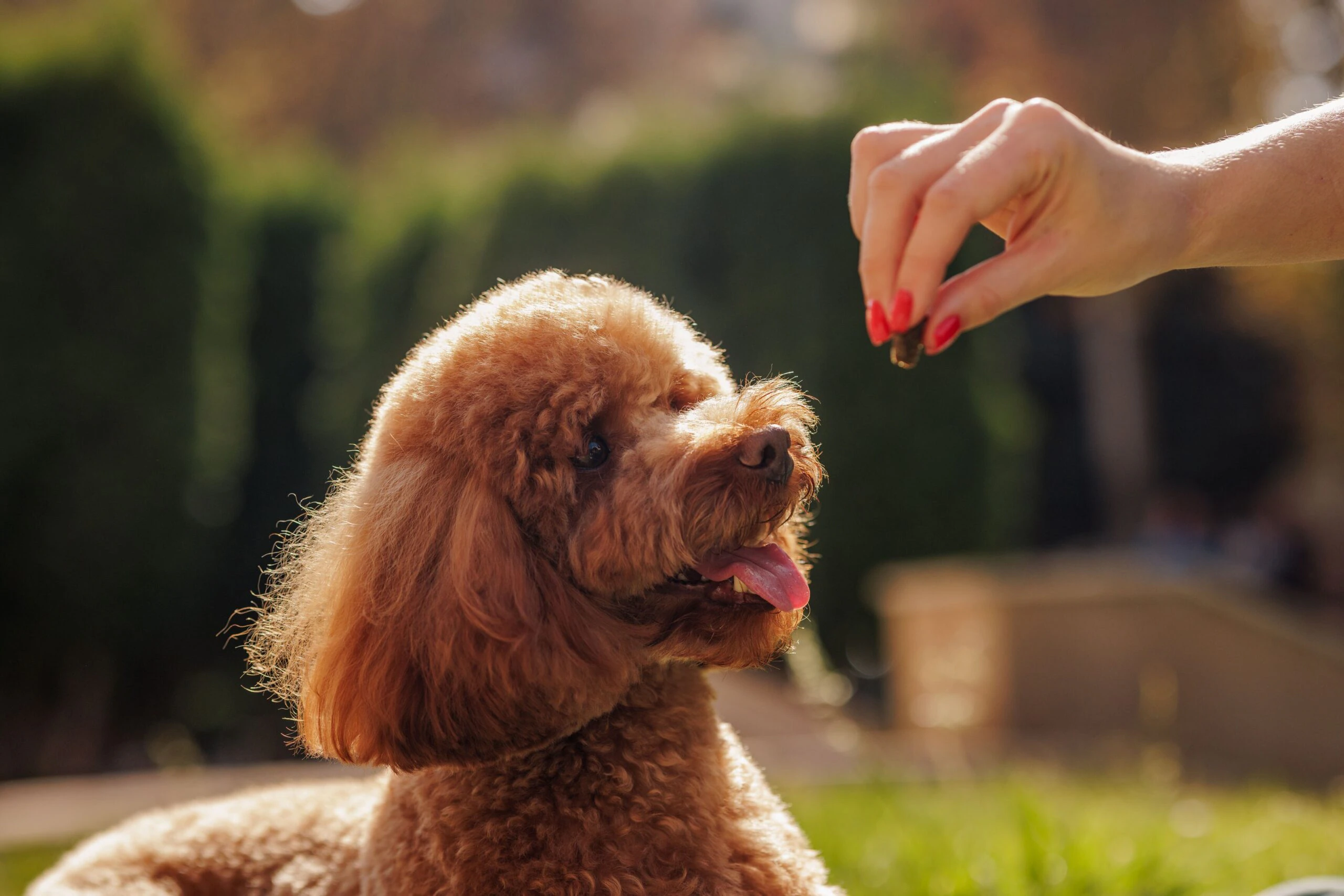
Choosing the right dog treats can be complex due to the wide variety of brands and types available. Factors such as ingredients, size, texture, and purpose are crucial. It's important to remember that treats should comprise no more than 10% of a dog’s daily caloric intake.
Read More
A team of veterinary experts has carefully reviewed numerous options to curate a list of 13 highly-rated dog treats that they personally recommend.
**Key Considerations for Choosing Dog Treats**
*Ingredients: The ingredients list on the packaging indicates what's included, with the first item being the primary ingredient. Opt for treats with high-quality proteins and minimal additives, including artificial colors and flavors. Ensure the treats are flavored to your dog’s liking, as taste varies among pets, which may require some experimentation. If your dog has dietary restrictions, choose treats that cater to those needs. Caloric content can range from about 3 calories to several hundred per treat, so select lower-calorie options for overweight dogs.
Health-focused treats often offer specific benefits, such as dental care, joint support from glucosamine, or calming effects from melatonin—recommendations your veterinarian can help with.
*Texture: Treats come in various textures including soft, hard, chewy, and creamy. Selection should reflect your dog's preference and health considerations. For instance, younger dogs may prefer harder treats, while older dogs might require softer ones for easier chewing. Offering a range of textures will help identify your dog's favorites.
*Size: The size of the treat affects its consumption and suitability for training. Smaller treats are generally better for calorie control, while larger treats can be broken down. Select sizes according to your dog's weight, keeping in mind safety to avoid choking hazards.
*Purpose: Treats serve various functions such as training rewards, distractions, or enrichment tools. The needed type of treat may determine its size and texture. Training treats should be non-crumbly, low-calorie, and bite-sized, while distraction treats should take longer to consume. Health-support treats must be palatable enough for your dog to enjoy.
**Selection Process for the Best Dog Treats**
The recommended dog treats were selected by veterinarians and vet techs from Chewy, the publisher of PetMD. They based their choices on:
- Knowledge and practical experience
- Information from manufacturers
- Attributes including ingredients, price, texture, size, trusted sourcing, and intended purpose
The opinions and recommendations in this article are the result of thorough evaluation by veterinary professionals, ensuring that manufacturers do not influence their selections.
**FAQs on Dog Treats**
*Can you freeze dog treats?* Yes, freezing treats can extend their freshness, generally for two to three months, depending on the ingredients. Always confirm with the manufacturer or a veterinarian for specific recommendations.
*What are high-value dog treats?* High-value treats are particularly enticing for dogs, effective for training and redirecting undesirable behaviors. These treats typically have strong scents and flavors that capture a dog's attention. Rotating different high-value treats can help maintain your dog's interest.
*What treats should be used for dog training?* Choose soft, low-calorie, and bite-sized treats that appeal to your dog’s preferences. These types are easier for dogs to consume quickly, which is helpful during training sessions.