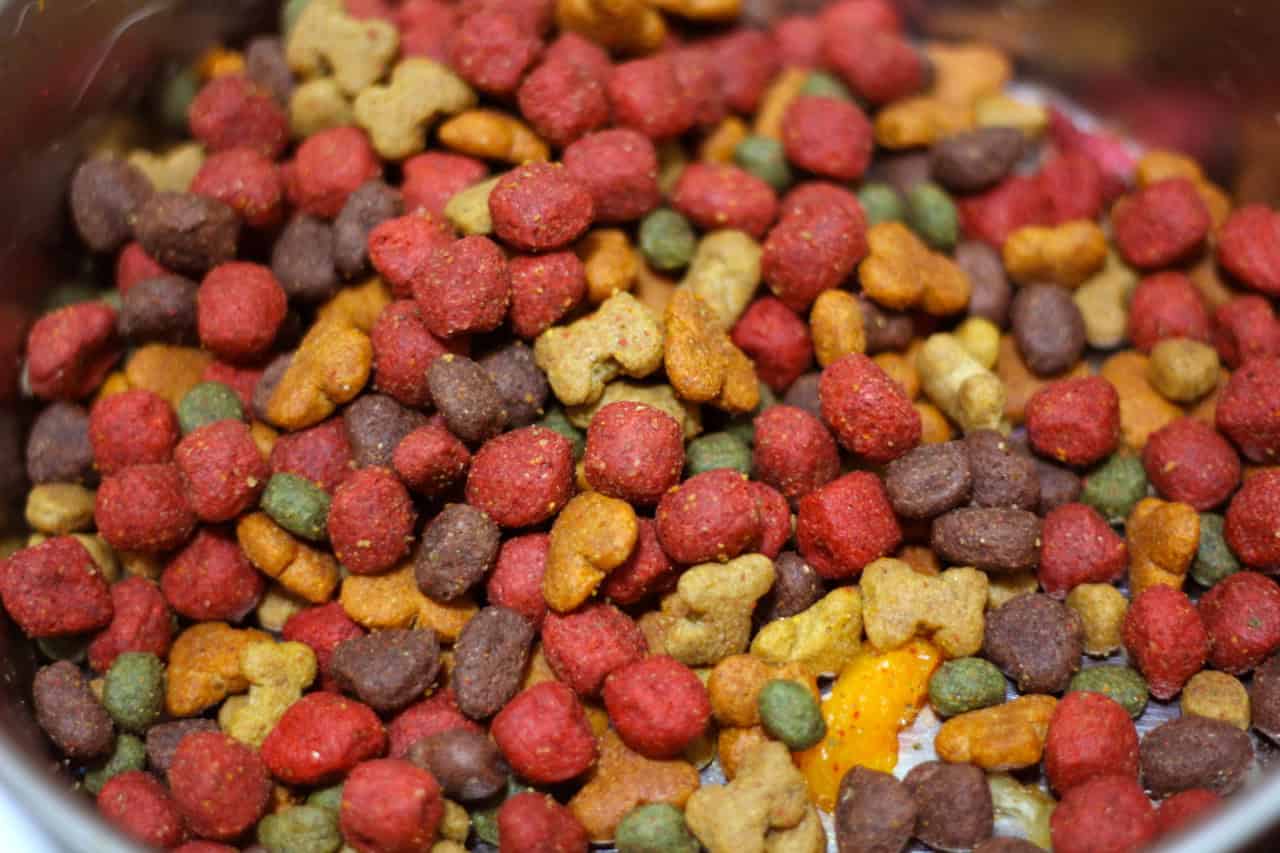
A recent study examining pet and wildlife food sold in Britain has revealed the presence of microplastics in the majority of brands tested, including those for cats, dogs, and hedgehogs. This raises concerns about how tiny plastic particles might enter the food chain, potentially impacting gardens, soil, and wildlife through animal waste.
Read More
Conducted by researchers from the University of Sussex and the University of Exeter, the study analyzed 38 products sold in the UK—14 cat foods, 16 dog foods, and eight types of hedgehog foods. The researchers purchased six separate units of each product from different batches to minimize reliance on potentially contaminated samples, resulting in a total analysis of 228 one-gram samples.
Microplastics, defined as plastic fragments smaller than 5 millimeters, were identified through a method involving chemical breakdown of food and infrared spectroscopy. The investigation confirmed 95 microplastic particles, finding that approximately 28% of all samples tested positive. Notably, 76% of products and 84% of the brands contained microplastics in at least one sample.
Lead researcher Emily Thrift indicated that microplastics were found in 16 out of the 19 brands tested, including several well-known names. The analysis showed that cheaper foods had a higher incidence of plastic contamination compared to premium options. Additionally, dry foods contained more particles per gram than wet foods. However, wet foods may result in a higher daily intake since pets generally consume larger quantities to meet their caloric needs. For large dogs, the researchers estimate a daily intake of around 313 microplastic particles from wet food under moderate consumption conditions, which could increase to 2,314 particles in worst-case scenarios based solely on contaminated samples.
While the study did not pinpoint the exact sources of contamination, potential contributors could include ingredients, packaging, and processing. Polyester was the most frequently detected polymer, followed by polyacrylamide, polyethylene, and polypropylene. Alarmingly, 90% of the 21 pet food products marketed as chicken-based contained at least one plastic-positive sample.
Other factors such as fish ingredients, crops grown in contaminated soil, factory machinery, and packaging were also noted as possible sources of microplastics. Further research is needed to clarify these origins.
Professor Tamara Galloway, an ecotoxicologist at the University of Exeter, emphasized the relevance of these findings, stating that pets may be exposed to the same chemical pollutants as humans, and highlighted the need to address food chain contamination.
Although the study did not specifically examine health effects on pets, researchers stressed that the daily consumption of contaminated food merits further investigation. Additionally, pets and wild animals could contribute to soil pollution through excretion, as pet food is often left in gardens for local wildlife.
Professor Fiona Mathews, an environmental biologist at the University of Sussex, remarked that pets may inadvertently disseminate plastic pollution, which could have broader environmental impacts.
In response to the findings, Fay Vass, chief executive of the British Hedgehog Preservation Society, expressed concern over the potential accumulation of toxins on microplastic particles. Industry representatives responded by asserting that their products comply with all relevant regulations and safety standards, allowing pet owners to feel confident in feeding commercially prepared pet food. However, the study did not suggest that such food is necessarily unsafe, nor did it provide a clear guideline for consumers. While premium foods exhibited fewer positive samples, none were completely free of contamination. The study did not disclose results for specific brands or products.
This study was published in the journal Environmental Toxicology and Chemistry.