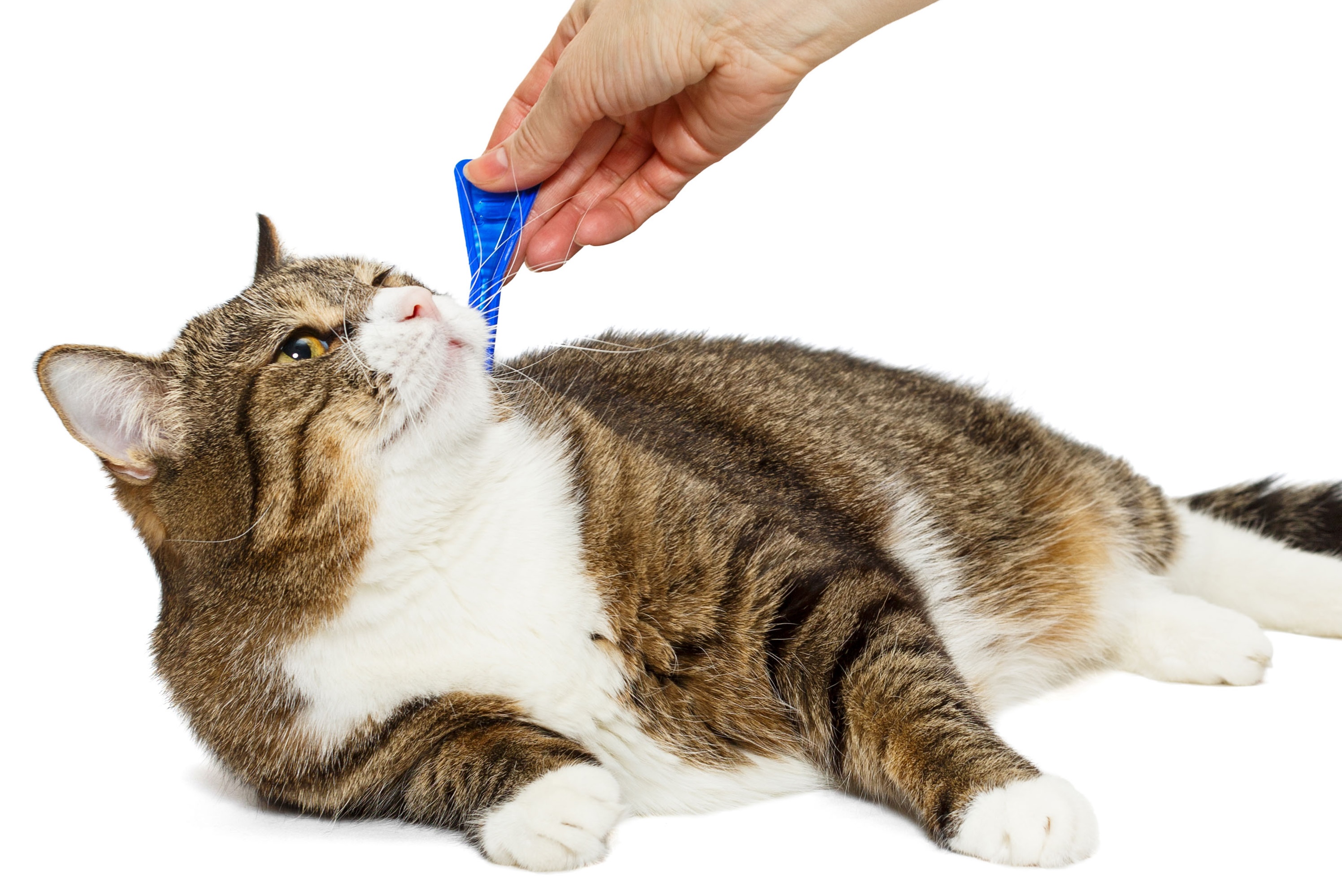
The House of Lords Environment and Climate Change Committee has recommended a more cautious approach to flea and tick treatments in the UK to minimize unnecessary applications. This recommendation follows a report released today, grounded in extensive evidence from experts at Imperial College London who highlighted the detrimental effects of overusing these treatments on the environment.
Read More
Dr. Tilly Collins, Deputy Director of the Centre for Environmental Policy, expressed support for the committee's findings, stating that they align with concerns highlighted by their research. She emphasized the need for a balanced approach to pet treatment that prioritizes the well-being of pets, homes, and the environment.
Experts from Imperial also raised concerns about subscription schemes for flea and tick treatments, which promote blanket applications regardless of actual need. Dr. Andrew Prentis, a veterinary surgeon, compared these schemes to signing up for health insurance, receiving annual antibiotic supplies without prior medical evaluation.
The report, titled "Paws for Concern: Pets, Parasites and Pollution," reveals that about 30% of dog owners and 20% of cat owners use year-round preventative treatments. With an estimated 10.6 million dogs and 10.8 million cats in the UK as of 2024, the implications of this widespread practice are significant.
Dr. Rose Perkins, a researcher involved in the study, stated that the environmental risks associated with pet medications have been significantly underestimated. Research indicates that these chemicals are contaminating homes and waterways at harmful levels, posing risks to aquatic life. The chemicals fipronil and imidacloprid, banned for agricultural use due to their environmental impact, are particularly concerning as they are now prevalent in UK waterways at toxic levels.
Professor Guy Woodward from Imperial College highlighted the irrefutable laboratory evidence demonstrating the harm these chemicals can inflict on freshwater ecosystems, warning that their continued use threatens already vulnerable aquatic species.
Despite multiple veterinary associations advising against the routine application of parasite treatments, such practices continue, particularly through subscription plans that often do not provide sufficient information about alternatives or tailored advice.
Researchers have also voiced concerns regarding potential human exposure to these chemicals, particularly through spot-on treatments, with calls for further research into their long-term health impacts. Dr. Tilly Collins noted the need for a better understanding of how these chemicals affect human health and highlighted the importance of sensible usage to reduce both environmental and human exposure.
Imperial researchers suggested that the main route for these chemicals entering the water supply is via pet owners washing off residues after treatment. They recommended a shift towards more targeted usage of flea treatments based on actual infestation risks rather than routine applications.
The PREPP (Producing Rational Evidence for Parasiticide Prescription) group at Imperial is advocating for a risk-based approach rather than blanket preventative treatments. They suggest that pet owners, in consultation with their veterinarians, consider the specific lifestyle and needs of their pets when deciding on treatments.
The report's recommendations will be presented to the UK government for consideration. The PREPP team will continue to research the impact of pet parasite medications on both human and environmental health, including a new four-year fellowship launched by Dr. Perkins, aimed at better understanding human exposure to various household pesticides.
The PREPP group consists of interdisciplinary researchers from Imperial College who focus on the ecological risks associated with veterinary medicines and propose viable solutions to minimize environmental pollution.