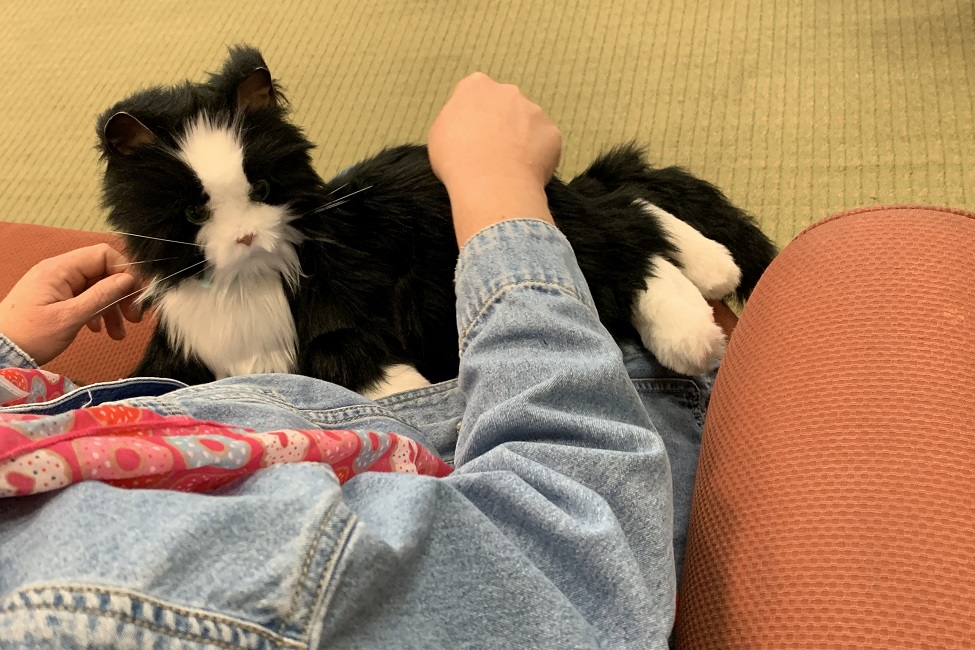
A recent study found that robotic pet cats significantly improved mood and cognition in adults with Alzheimer's disease or related dementias. Participants engaged with these interactive pets, expressing feelings such as, “the cat is looking at me like someone who listens to me and loves me.”
Read More
Individuals with Alzheimer's or related dementias often suffer from symptoms such as depression, anxiety, and aggression, which are typically managed with medications that carry potential side effects. While pet therapy is recognized as a beneficial non-pharmacological approach for enhancing mood in older adults, its application in adult day centers has been limited.
Researchers from Florida Atlantic University’s Christine E. Lynn College of Nursing conducted this study over 12 visits at an adult day center, using affordable robotic cats to provide companionship. Each participant named their robotic pet, which was clearly identified as a robot, and were encouraged to interact with it.
The study, published in the journal Issues in Mental Health Nursing, employed various assessment tools including the Alzheimer's Disease and Related Dementias Mood Scale and the Mini Mental State Examination to gauge improvements in mood, behavior, and cognitive function. Results indicated significant enhancements in mood, evidenced by a notable rise in scores on the Observed Emotion Rating Scale and the Cornell Scale of Depression in Dementia. More than half of the participants demonstrated improved cognitive scores on the post-test.
Participants often smiled and conversed with their robotic cats, viewing them as responsive companions. Some caregivers reported that their loved ones showed increased attachment by sleeping with the robotic pets or playing with them regularly. Bryanna Streit LaRose, D.N.P., A.P.R.N., the lead author of the study, emphasized that this approach provides a natural method to alleviate symptoms of dementia without relying on medications that might not be effective or have harmful side effects.
By utilizing robotic pets, concerns regarding animal safety, care, and associated costs were eliminated. Lisa Kirk Wiese, Ph.D., R.N., noted that these robotic pets not only improved the participants’ mood and behaviors but also offered them a novel means of self-expression. Enhancing the mood in individuals with dementia may further benefit their caregivers and families.
The researchers found strong correlations between improvements in mood and cognitive scores, suggesting that positive emotional states could lead to better cognitive performance. Safiya George, Ph.D., dean of the college, pointed out that this interactive pet intervention could serve as a beneficial tool for addressing the growing burden of dementia in the aging population.
The project received support through an FAU Iota Xi Sigma grant and additional funding from Ageless Innovation, allowing the acquisition of the robotic pets for the intervention.