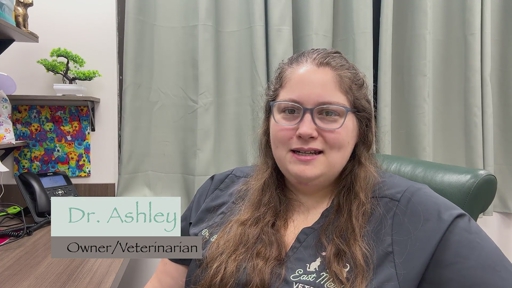
In a recent HelloNation article, Dr. Ashley Deforno of East Market Veterinary Center in Blairsville, Pennsylvania, emphasizes the often-overlooked significance of dental health in pet care. She notes that consistent dental care is essential not only for preventing oral disease but also for protecting overall health and promoting long-term wellness in pets.
Read More
Many pet owners tend to prioritize diet and routine wellness visits, neglecting dental care until issues arise. This delay can result in serious health ramifications, as dental disease affects more than just the mouth; it can lead to pain, disrupted eating habits, and damage to vital organs like the heart, liver, and kidneys. Thus, early and routine dental care is crucial for pets in Blairsville.
Dr. Deforno argues that home care should be the first line of defense in maintaining dental health. Brushing pets' teeth with veterinarian-approved toothpaste is recommended to prevent plaque from hardening into tartar. Starting the brushing routine early allows pets to adjust, making it easier to maintain in the long run. When combined with positive reinforcement, regular brushing becomes manageable, even for pets that may initially resist.
In addition to brushing, other dental care tools such as dental chews, toys, and specially formulated diets can help reduce plaque and tartar. Local veterinarians can advise on the best options based on a pet's specific needs, including age, size, and breed. These preventive measures are important for minimizing the risk of painful infections and ensuring a comprehensive care plan.
Routine dental examinations are essential as many pets show no symptoms of dental disease until it is advanced. Regular wellness visits allow veterinarians to check for early signs of gingivitis, loose teeth, or oral tumors. Professional cleanings are beneficial for safely removing hardened tartar and enabling early intervention to prevent worsening conditions.
The article highlights how oral health can impact the entire body; bacteria from gum disease can enter the bloodstream, affecting major organs. Preventive dental care, aligned with regular wellness visits, protects a pet's oral and internal health. Dr. Deforno indicates that maintaining a pet's dental health is crucial for avoiding serious and costly health issues down the line.
Nutrition also contributes to dental health. Diets designed to promote oral hygiene help maintain strong teeth and reduce plaque. Hard kibble and dental-specific foods can help clean teeth naturally. Conversely, pets on softer diets may need more frequent dental care at home. Pet owners are encouraged to consult their local veterinarians about the best diet for their pets' dental needs.
Warning signs of dental issues include discomfort while eating, excessive drooling, or avoiding chewing. These behaviors warrant immediate veterinary consultation. Incorporating dental checks into regular wellness visits helps monitor oral health trends and address issues promptly.
Lifestyle factors, particularly in rural areas like Blairsville, can also impact dental health. Pets that chew on hard objects or lack regular grooming may face increased dental problems. The article advises owners to work closely with local veterinarians to establish safe habits and consistent dental care routines.