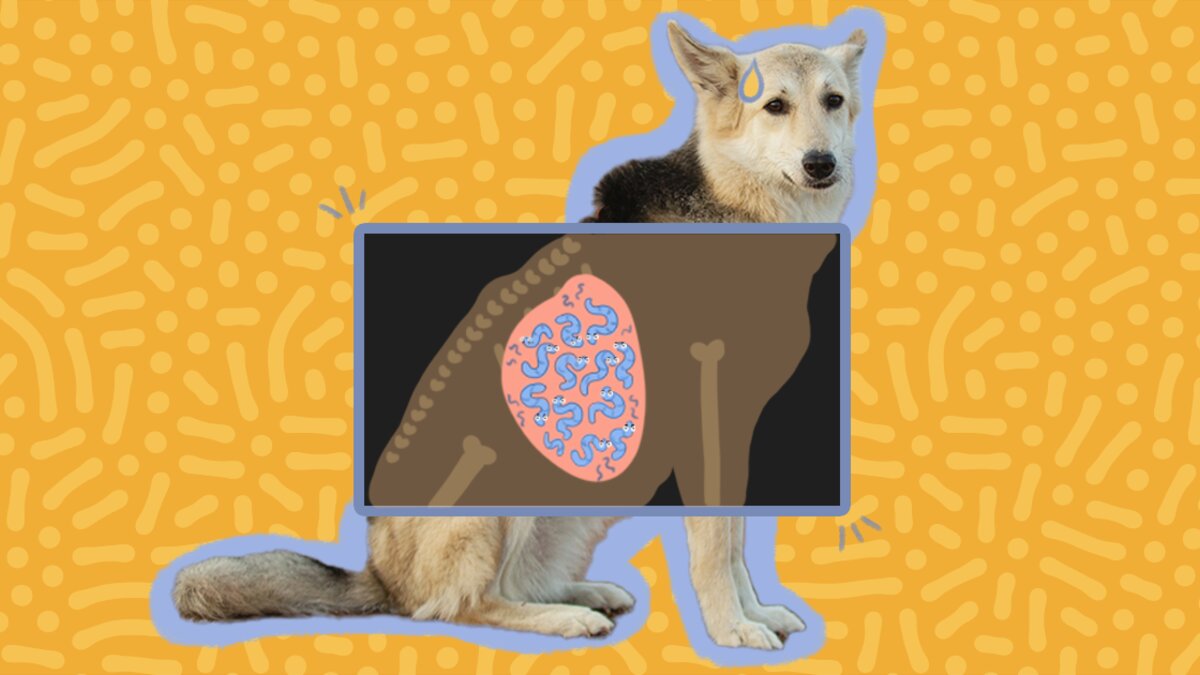
Discovering that your dog has a parasite can be alarming, but prompt treatment is often effective. Treatment varies by type of parasite, with some necessitating just a simple dewormer, while others may require injections, antibiotics, and hospitalization. Dr. Linda Simon, a veterinary surgeon and consultant for Five Barks, discussed the treatment of heartworm, hookworm, and tapeworm in dogs.
Read More
Common types of worms affecting dogs include heartworm, hookworm, tapeworm, roundworm, and whipworm. All of these parasites can be treated, though the ease of treatment varies.
**Heartworm in Dogs**
Heartworm, or Dirofilaria immitis, is a preventable disease that can affect dogs at any age. The parasite resides in the pulmonary artery and can cause severe health issues, including blood clots and heart failure. Symptoms may not be evident until the disease is advanced, leading vets to typically diagnose dogs between the ages of 2 and 8. According to Dr. Simon, because heartworm treatment can be risky and costly, prevention is crucial.
The primary treatment for heartworm is Immiticide (melarsomine), the only FDA-approved medication for adult worms. Treatment requires multiple injections along with a course of antibiotics, commonly doxycycline. An essential part of recovery is a strict rest period of about three months post-treatment to ensure any dead worms are properly absorbed. Treatment costs range from $600 to $1,200, depending on the dog’s size and infestation severity. Regular heartworm prevention, such as Heartgard Plus, is highly recommended.
**Hookworm in Dogs**
Hookworms can lead to serious anemia, particularly in young dogs. These parasites are infectious to both humans and animals, as their larvae can survive in soil. Treatment options for hookworm include various forms of deworming medications, such as powders, liquids, tablets, and chews. Dr. Simon advises consulting a veterinarian for the appropriate prescription. Over-the-counter options are also available. Infestations typically resolve within a few days, although severe cases may require hospitalization and additional treatment.
**Tapeworm in Dogs**
Tapeworm infections can manifest as diarrhea and weight loss, with segments resembling grains of rice found near the anus. Although not as severe as other types of parasites, prompt treatment is advised. Treatment requires a single dose of medication, typically praziquantel, which is also available for preventive care. Common products include Droncit and Drontal, which have minimal side effects.
**Roundworm in Dogs**
Roundworms can infect both puppies and adult dogs, often transmitted from mothers or infected dog feces. Symptoms include messy stools and a pot-bellied appearance. Fortunately, treatments like fenbendazole and piperazine are effective and readily available. Dr. Simon favors Panacur for its ease of administration.
**Whipworm in Dogs**
Whipworms can cause severe symptoms such as anemia and bloody diarrhea. While similar to hookworms in transmission, human infection from whipworms is rare. Effective medications are available, with Dr. Simon recommending a combination of milbemycin oxime and lufenuron.
While prevention remains the best approach for managing dog parasites, understanding how to treat infections is essential for responsible pet ownership.