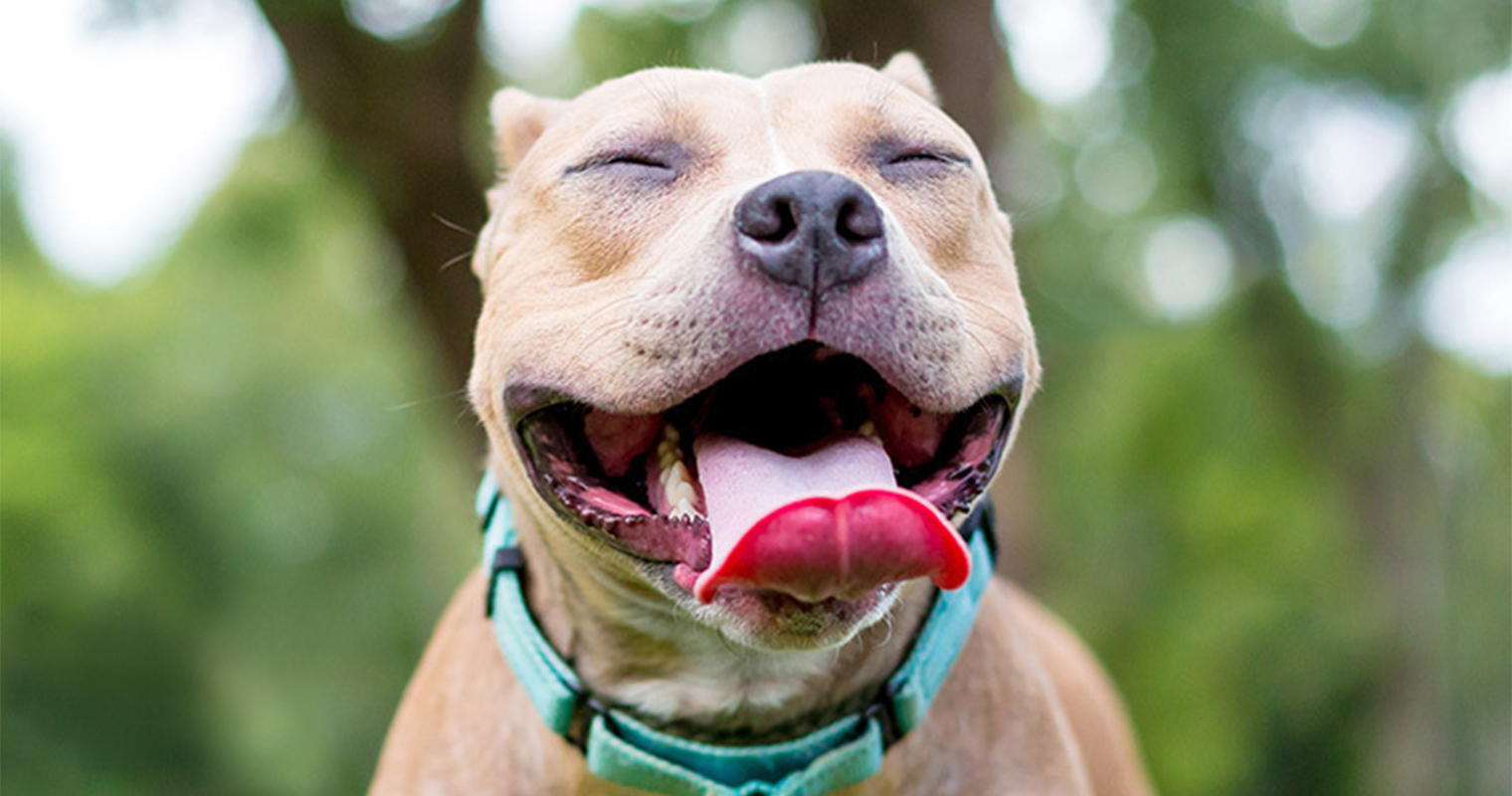
Some dog breeds appear perpetually joyful, a phenomenon backed by a new study published in the journal Behavior. Researchers analyzed the facial expressions of 210 dogs from 29 breeds, observing 925 different expressions while the dogs were relaxed, playful, and panting. The study, led by Dr. Veronica Maglieri, focused on the “play face” — the open-mouthed, smiley expression that dogs display when they are playful.
Read More
Breeds such as Poodles and German Shepherds were noted for their more exaggerated play faces, with Basset Hounds, Rottweilers, and American Pit Bull Terriers also standing out for their expressiveness. Poodles are described as highly intelligent and enthusiastic, while German Shepherds have a relaxed, playful appearance that often resembles a grin. Basset Hounds display their happiness through their droopy features, and Rottweilers exhibit a softened expression when content.
The findings indicate that while genetics and breed traits play significant roles in a dog's expressiveness, the environment and care they receive are equally important. To help dogs express happiness, owners can ensure they meet their pets’ physical and mental stimulation needs. Activities such as positive reinforcement training, social playdates, maintaining a consistent routine, and quality one-on-one time can enhance dogs' overall happiness.
The study also highlighted that mixed breeds, although not the focus of the research, often carry traits of these happy breeds, leading to the potential for high expressiveness in shelter dogs. Owners are encouraged to adopt pets that match their lifestyle, as many loving animals await in shelters ready to find their forever homes.
In addition, the study pointed out some of the least expressive breeds, including Beagles and Shih Tzus. The play face is not limited to dogs; it also appears in other carnivores, including wolves, serving as an evolutionary sign of non-aggression.