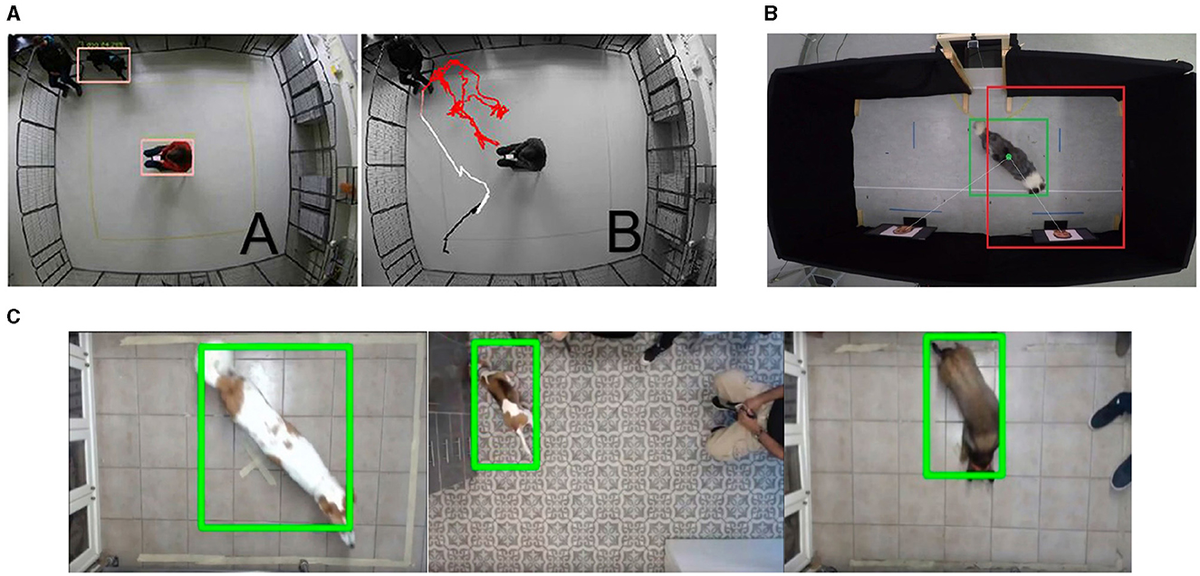
The field of canine science has been gradually integrating automation into data analysis, driven by an increasing volume and complexity of behavioral data. This paper examines current automation processes and pipelines in canine research, supported by a literature review of state-of-the-art automated methodologies in dog behavior analysis. An empirical study involving 24 animal behavior researchers was conducted to assess their perceptions of automated approaches and to identify barriers to broader adoption of such technologies.
Read More
Research indicates that dogs, or Canis lupus familiaris, are gaining interest across various scientific disciplines, notably due to their role as clinical models for numerous human disorders. Their similarity to humans physiologically and behaviorally makes them valuable in studying ailments such as diabetes and cancers. Furthermore, their close proximity to humans allows for a unique exploration of dog-human interactions and welfare, especially concerning working and shelter dogs.
Traditional methods of behavioral data collection rely heavily on human observation, which, while systematic, often leads to subjectivity and limitations related to the volume and variety of behaviors analyzed. Automated analysis methods using artificial intelligence (AI) offer new opportunities for overcoming these limitations by enabling more precise measurements of behavior.
Despite the advantages, the adoption of automated data analysis in canine studies has been slow. One reason is the limited adaptability of existing deep learning platforms to the diverse morphologies and behaviors of different dog breeds. Additionally, there is a significant need for automation tools tailored specifically for canine science, which necessitates interdisciplinary collaboration while introducing complications related to terminology and methodological discrepancies among various stakeholders.
The paper addresses two core research questions: how automation is currently used in canine science and what barriers exist for its broader implementation. A review of 16 relevant studies outlined how automation is employed, revealing trends toward basic techniques in behavior quantification and feature extraction. The findings indicate a reliance on traditional statistical methods for hypothesis testing, though some researchers have begun utilizing machine learning.
In the empirical study, 46% of participants reported prior experience with automated tools, with varying levels of satisfaction regarding their outcomes. Key barriers identified included a lack of awareness and difficulties in learning how to use these sophisticated tools. Many participants suggested that educational initiatives, simpler software designs, and improved communication between developers and researchers could facilitate greater adoption of automated methods.
Overall, the insights from this research highlight the need for greater accessibility and understanding of automation technologies in canine science, emphasizing the importance of addressing human-related challenges for wider implementation.