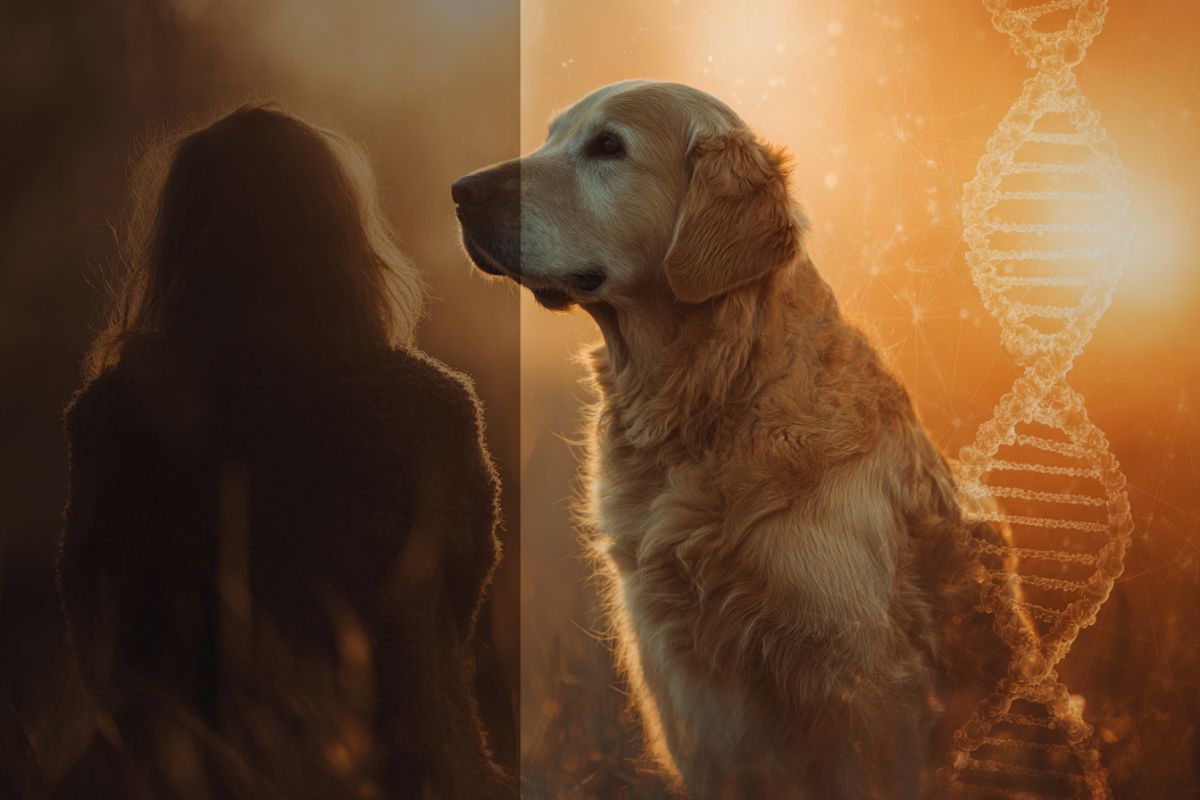
Researchers from the University of Cambridge analyzed the genomes and behavioral traits of 1,300 golden retrievers, identifying genetic variants that influence traits such as trainability, fear of strangers, and aggression toward other dogs. The study found that twelve of these genes also play roles in human emotions and cognitive traits, suggesting shared biological mechanisms across species.
Read More
The findings indicate that many dogs have genetic predispositions to emotional sensitivity or stress, which can lead to behaviors that might be misinterpreted as misbehavior. This insight is expected to help dog owners adapt training and care practices to better support their pets' emotional needs.
Published in the Proceedings of the National Academy of Sciences, this research is the first to establish a direct link between dog behavior genetics and human emotional health, including anxiety and depression. Dr. Eleanor Raffan, the study's lead author, noted that the identified genes affect behavioral regulation rather than dictating specific behaviors or emotions.
Notably, a gene called PTPN1 was associated with aggression towards other dogs in golden retrievers and linked to intelligence and depression in humans. Another gene related to fear in dogs influences persistent worry or high educational achievement in people.
The study highlights the importance of understanding genetics in canine behavior, shedding light on how some dogs may be predisposed to perceive their environment as stressful. Enoch Alex, a researcher involved in the study, emphasized that these genetic insights can lead to more empathetic interpretations of dog behavior.
The analysis included data from dogs participating in the Golden Retriever Lifetime Study, with owners providing detailed behavioral questionnaires that assess traits across fourteen categories. The researchers connected specific genomic regions to these behavioral traits through thorough genetic analysis.
Professor Daniel Mills, a behavior specialist involved in the research, stated that insights from this study could not only improve training and care for dogs but also highlight how pets reflect human emotional challenges. The implications for veterinary care include potential treatments for fearfulness in dogs, drawing parallels to human anxiety.
This significant research underscores the complex interplay between genetics and behavior across species, aiming to enhance the understanding of emotional states in both dogs and humans.