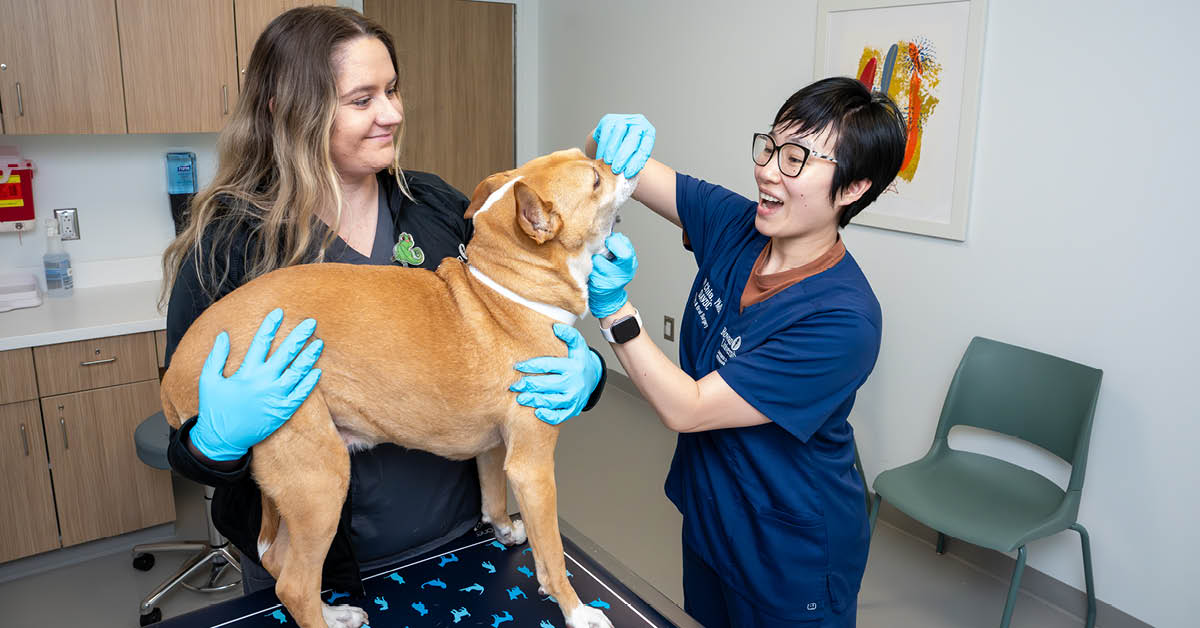
Dr. Han Chia, a clinical assistant professor of dentistry and oral surgery at Rowan University’s Shreiber School of Veterinary Medicine, emphasizes the significance of proper dental care for pets. In an interview, she clarified common misconceptions and discussed essential practices for maintaining pets' dental health.
Read More
Dr. Chia explained that veterinary dentists perform many of the same functions as human dentists, including routine cleanings and advanced procedures like root canals and oral surgeries. Unlike human dentistry, veterinary practices often integrate various dental specialties into a single service.
One prevalent myth is the belief that dry food is superior to wet food for dental health, a notion not backed by research. Dr. Chia noted that a dog's chewing habits and genetics play a more significant role in dental health. Additionally, some chew products marketed to promote dental care, like harder nylons and rawhides, can lead to tooth fractures because dogs cannot assess their chewing pressure. A safer alternative is to choose chew toys that are malleable.
The most frequent dental issue in dogs is periodontal disease, which affects 80% of dogs by the age of two. For cats, a common problem is feline resorptive lesions, akin to cavities, which expose nerves and cause sensitivity. Dr. Chia stressed that pets often hide their discomfort, so regular veterinary check-ups are crucial for early detection of dental problems.
The American Veterinary Medical Association recommends annual dental check-ups for pets, although some may require more frequent visits based on their individual needs. A dental consultation typically consists of an initial health assessment followed by a second visit for dental cleaning under anesthesia.
Pet owners can also contribute to their pets' dental health through regular brushing. Dr. Chia suggests aiming for daily brushing, with three times a week still providing significant benefits. Gradually introducing pets to tooth brushing can help them develop comfort and acceptance of the process.
To enhance dental care, Dr. Chia advises owners to inspect their pets’ mouths regularly and ensure they maintain annual vet appointments. Starting dental care early can help acclimate pets to the necessary routines, enabling owners to recognize normalcy and detect early signs of issues.
Dr. Chia’s passion for veterinary education stems from her experiences in veterinary school, where she became inspired by the recovery of patients after dental interventions. She aims to empower her students at Shreiber School with a strong foundation in dentistry, encouraging them to embrace challenges and develop confidence as new veterinarians.