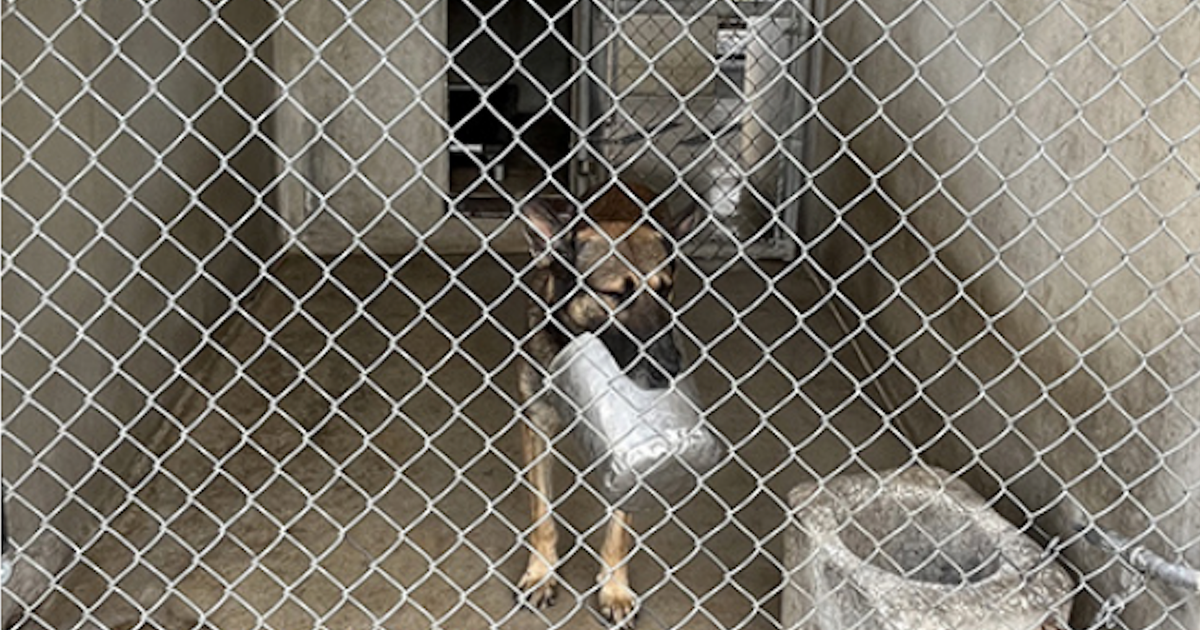
An inspector general report revealed that four military working dogs died between the 2021 and 2023 fiscal years due to being housed in aging and inadequate kennel facilities. The report indicated these conditions contributed to the deaths, although the Air Force disputes that neglect was a factor. An Air Force spokesperson noted autopsy results indicated one dog died of severe bronchopneumonia and three from extraintestinal pathogenic Escherichia coli pneumonia, with no indication of neglect cited in the autopsies.
Read More
Nevertheless, the Air Force accepted the report's overall recommendation to improve care for military working dogs, including increasing the number of caretakers and upgrading kennel facilities. The inspector general found that dogs not in training did not consistently receive protection from extreme weather and mold issues, and that quarantine and isolation areas were poorly managed.
During their investigation, which included visits to 12 dog programs across different military installations, inspectors found significant mold presence in one building at Fort Bragg, North Carolina, which had to be closed. Additionally, about 200 dogs at Joint Base San Antonio-Lackland, Texas, failed to receive the required daily physical and social activities due to a shortage of caretakers. Instead of the mandated five hours of enrichment and exercise, the dogs were walked for approximately 10 minutes, four times a week, or less.
The report specifically focused on dogs in non-training status, meaning they were not awaiting deployment, had medical issues, or had been rejected from training. At the time of the investigation, there were around 230 military dogs in this status. The Pentagon operates over 2,200 Working Dog Teams globally, providing dogs to various state and federal agencies.
The inspector general recommended that the secretary of the Air Force reduce the number of dogs in the training squadron until adequate staffing for care can be ensured. Furthermore, there is a call for a plan to upgrade kennel facilities to meet current Defense Department standards.
Signs of distress among the dogs at Joint Base San Antonio-Lackland included behaviors such as continuous spinning, jumping, and excessive vocalization, along with physical indications of heat stress. Although the training squadron attempted to provide some enrichment through various means, investigators concluded these efforts were insufficient. In response to this feedback, the Air Force announced plans to hire additional caretakers and reduce the number of dogs in non-training status.