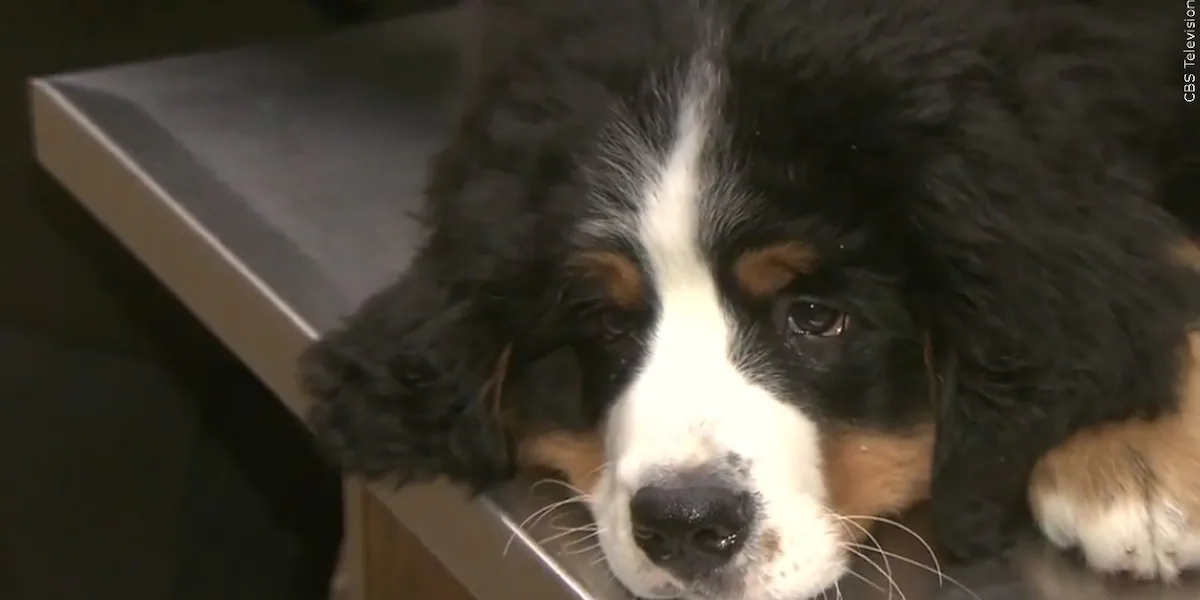
OMAHA, Neb. (WOWT) - New research suggests that dogs may not actually feel guilt in the way humans do, despite appearing remorseful after misbehaving, such as chewing shoes or having accidents on the carpet. While dogs exhibit emotions and communicate through body language, their understanding of rule-breaking and subsequent feelings of guilt remain unclear.
Read More
A 2009 study on dog cognition revealed that so-called guilty expressions in dogs were more prominently displayed when owners scolded them, compared to when owners maintained a neutral demeanor. This occurred regardless of whether the dogs had actually engaged in previously learned misbehavior.
The study indicated that behaviors commonly interpreted as guilt—like a tucked tail, visible whites of the eyes, cowering, and avoiding eye contact—are more accurately described as signs of stress or fear rather than genuine guilt.
Dogs often show what appears to be guilt after misdeeds because they anticipate their owner's reaction based on past experiences. In an effort to avoid conflict, they may display appeasing behaviors such as cowering or avoiding eye contact. While dogs can learn rules like potty training and remember their owners' reactions, the question of whether they feel guilt in a human sense is still unanswered.