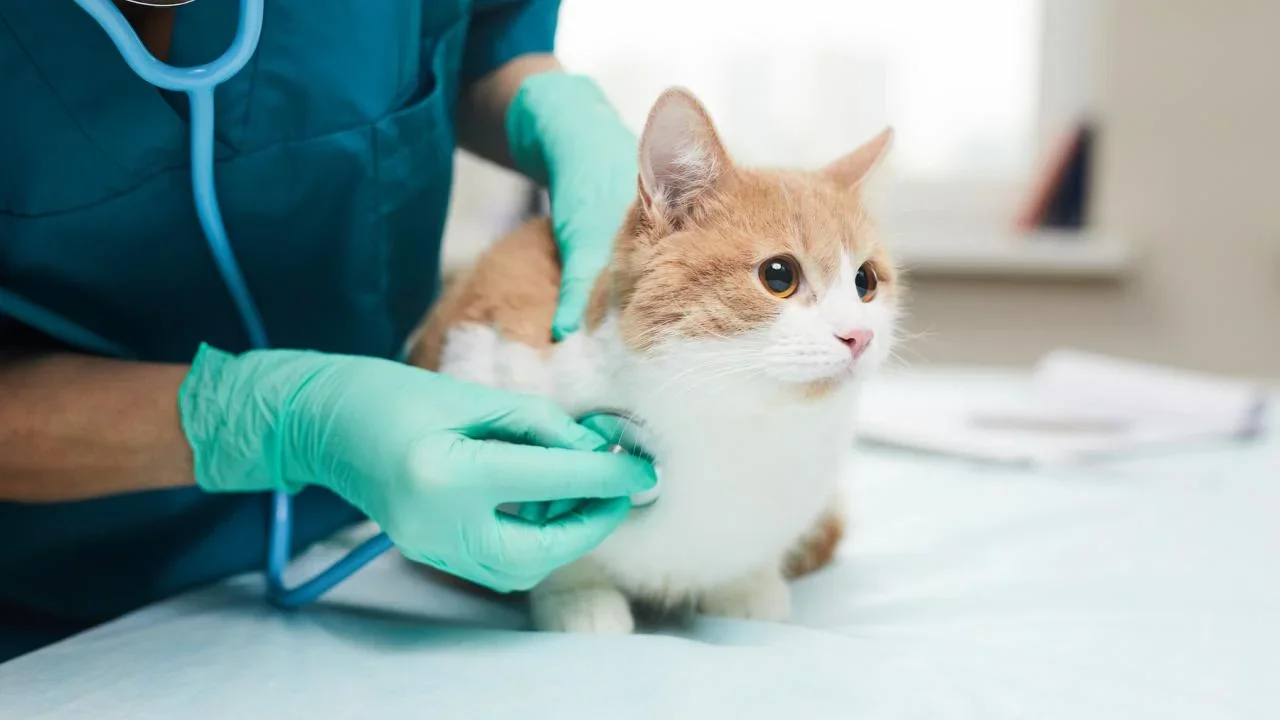
Researchers at the University of California, Davis are examining the use of telemedicine for feline healthcare, particularly highlighted during the COVID-19 pandemic when many turned to remote solutions for various needs.
Read More
The study investigates how cats respond to traditional in-clinic veterinary appointments compared to telemedicine consultations via webcams. The aim is to assess whether virtual visits can improve access to veterinary care for the approximately 45.3 million cat-owning households in the U.S.
Grace Boone, an assistant specialist in animal welfare epidemiology at UC Davis, emphasized that cats generally visit the vet less frequently than dogs, indicating that telemedicine could bridge a gap in necessary care.
Veterinary visits can be stressful for cats and their owners, often involving the hassle of transport and being in unfamiliar environments. Carly Moody, an assistant professor in animal science at UC Davis, noted that this stress can impact both the pet and the owner during appointments.
To conduct the research, the team collaborated with Front Street Animal Shelter in Sacramento, organizing mock in-person and webcam appointments two weeks apart. Thirty cats and their owners participated, with cats undergoing simulated post-surgery checks. Various stress indicators were monitored, including pupil dilation, respiratory rates, and ear positions.
The findings revealed that cats exhibited increased stress during in-person visits, as evidenced by higher respiratory rates and larger pupil dilations compared to those participating from home. Boone remarked that these results suggest video appointments might alleviate stress for cats during veterinary visits.
Assessing cats in their home environment may also provide clearer insights into their health and behavior, as stress could mask symptoms. Boone explained that signs of pain might be subdued outside familiar surroundings. A cat might display a limp at home but appear healthy in a clinical setting.
Owner feedback indicated a preference for telemedicine, with individuals rating home appointments more positively than in-person visits. Moody pointed out that telemedicine can alleviate stress for owners as well, allowing them to manage routine inquiries without needing to travel.
This research, supported by a grant from Maddie’s Fund and the American Society for the Prevention of Cruelty to Animals, holds promise for improving care strategies for cat owners. The team is also evaluating responses from a survey of 1,300 Americans regarding their views on telemedicine, as further studies on feline responses to appointment types are anticipated.