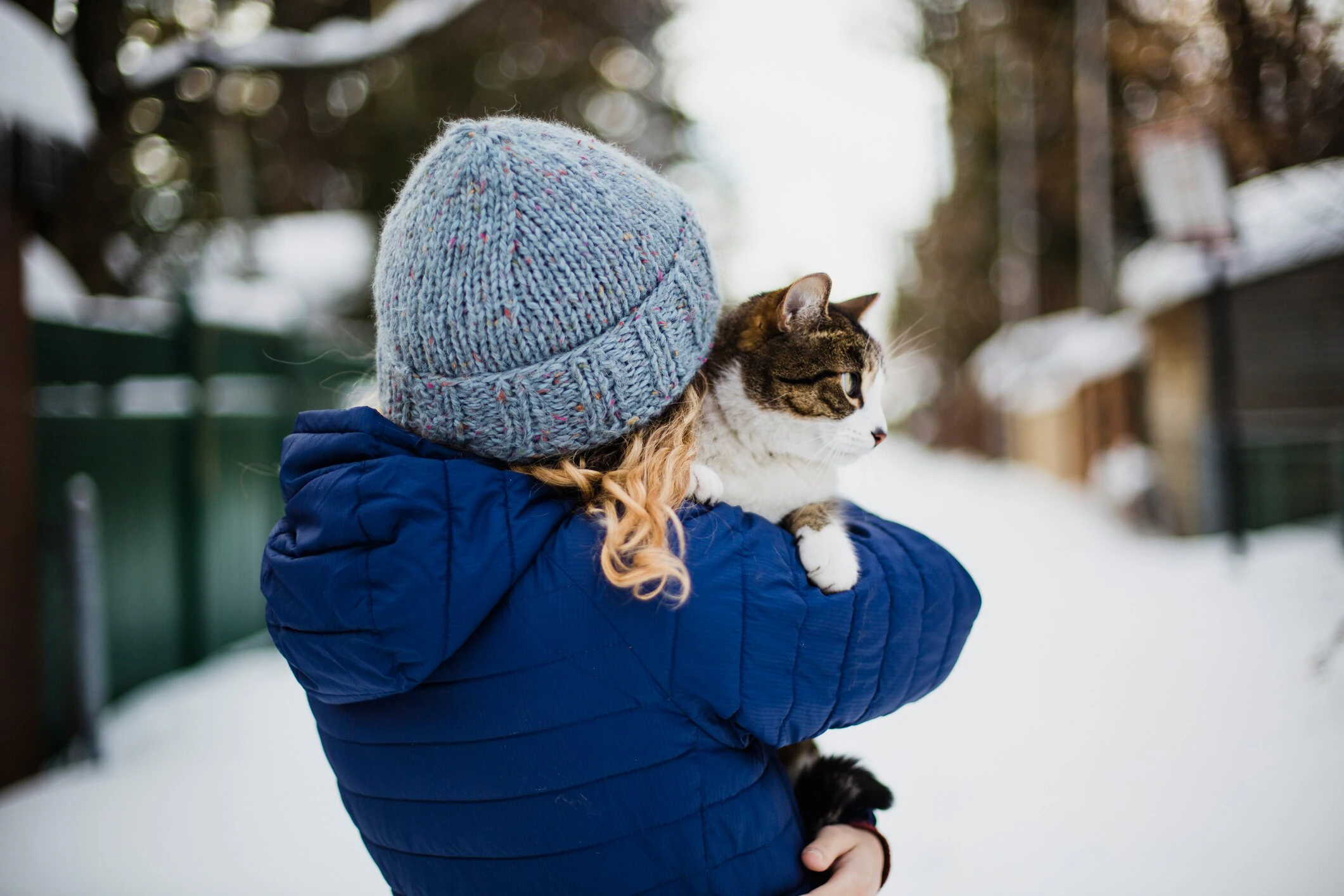
To ensure the safety of cats in winter, it is crucial to keep them indoors, provide warm sleeping areas, and avoid assuming they can handle freezing temperatures. Cats can experience dangerous cold when temperatures dip below 45°F, with older cats, kittens, and those with health issues being particularly vulnerable.
Read More
For community cats, it is important to offer adequate shelter, extra food, and unfrozen water to help them survive harsh conditions. Ideally, the best practice for all cats during winter is to limit outdoor exposure and supply them with warm beds and safe spaces.
Cats, which are more suited to warm climates, are especially at risk when left outdoors in cold weather. The combination of cold temperatures and harsh elements such as wind, snow, and ice further deteriorates their safety. If humans need to wear coats when outside, cats should remain indoors.
Several key mistakes to avoid include:
1. **Letting Cats Outside**: Keeping cats indoors protects them from cold and hazards associated with outdoor environments. If they must go outside, it’s safer to use a catio or leash.
2. **Neglecting Grooming**: A matted coat can prevent a cat from retaining heat effectively. Regular brushing is essential for all cats, especially long-haired breeds, to ensure their fur can keep them warm. Matted fur can indicate health issues that may require veterinary attention.
3. **Ignoring Age**: Older cats face unique challenges during colder months due to delicate skin, decreased body fat, and potential health problems like arthritis, which affect their ability to stay warm. Kittens and sick cats are also at heightened risk.
4. **Inadequate Shelter**: Community cats benefit from proper shelter that offers warmth and protection from the elements. A heated cat house with straw bedding is more beneficial than blankets, which can retain moisture. When temperatures drop, cats instinctively seek warmth, sometimes leading them to unsafe areas, like under car hoods.
5. **Insufficient Food and Water**: Cats should have constant access to food and fresh water. For community cats, raising food and water bowls off the ground can help prevent contamination. Heated water bowls help keep water from freezing, and it may be necessary to increase food supply in the colder months to help maintain body temperature.
6. **Unsafe Holiday Decor**: Many holiday plants are toxic to cats, and decorations that attract feline curiosity, such as tinsel, can result in internal blockages if ingested. Cats can also get injured by climbing Christmas trees or digging through garbage for food that could be toxic.
Ultimately, the safest way to protect cats from winter conditions is to keep them indoors where they can remain warm and secure. Community cats need human support with shelter, food, and proper care to endure winter safely.