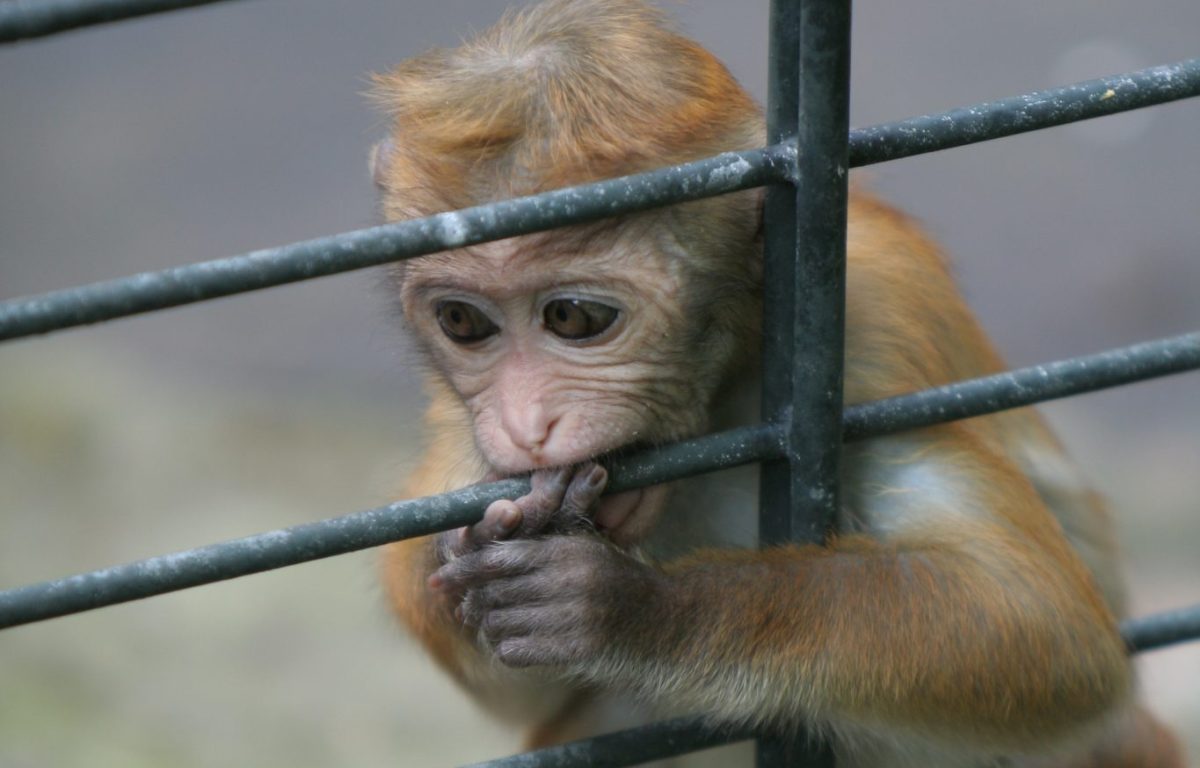
On November 21, 2025, Science reported that the Centers for Disease Control and Prevention (CDC) has been instructed to phase out its research program involving approximately 200 rhesus and pig-tailed macaques, which are currently used to study HIV, hepatitis, and other infectious diseases. This program is expected to conclude by the end of the year, although details regarding the fate of the animals afterward remain unclear.
Read More
This decision follows an announcement from the U.S. Food and Drug Administration (FDA) in April 2025, indicating that the agency will begin phasing out animal testing in favor of "more effective, human-relevant methods," starting with monoclonal antibody therapies.
Critics have long condemned animal testing as a brutal practice, where animals often endure painful experiments without adequate pain relief. There is minimal regulation and oversight of laboratories conducting these experiments. Experts argue that the methodology is not effective for developing drugs for human use.
While the FDA's plan and the CDC's directive mark significant steps, estimates suggest that over 100 million animals are still used annually for research in the U.S., predominantly mice and rats, which lack legal protections. The majority of this experimentation is conducted in the private sector, not by government entities like the FDA, indicating a continued need for reform.
The Animal Legal Defense Fund (ALDF) has a notable history of advocating for the rights of animals in research. In July 2024, the U.S. Court of Appeals for the D.C. Circuit ruled against the National Institutes of Health (NIH) for censoring comments on social media critical of animal testing, a case supported by ALDF and other organizations. Another victory came in 2025, when the Seventh Circuit ruled that the University of Wisconsin-Madison violated free speech by censoring a former employee from discussing its primate lab practices.
Additionally, in April 2022, ALDF, alongside Rise for Animals (RISE), sued the U.S. Department of Agriculture (USDA) for its alleged secret policy that allowed only partial inspections of certain research facilities, undermining the federal Animal Welfare Act (AWA) protections.
Rare instances of animals leaving research labs alive include a case in July 2024 when ALDF facilitated the release of six Gottingen pigs from a research lab to three sanctuaries, providing financial support for their care. These pigs are specifically bred for research, known for their manageable size and docility.
ALDF continues its efforts within the legal system to advocate for better protections and enforcement for animals used in research.