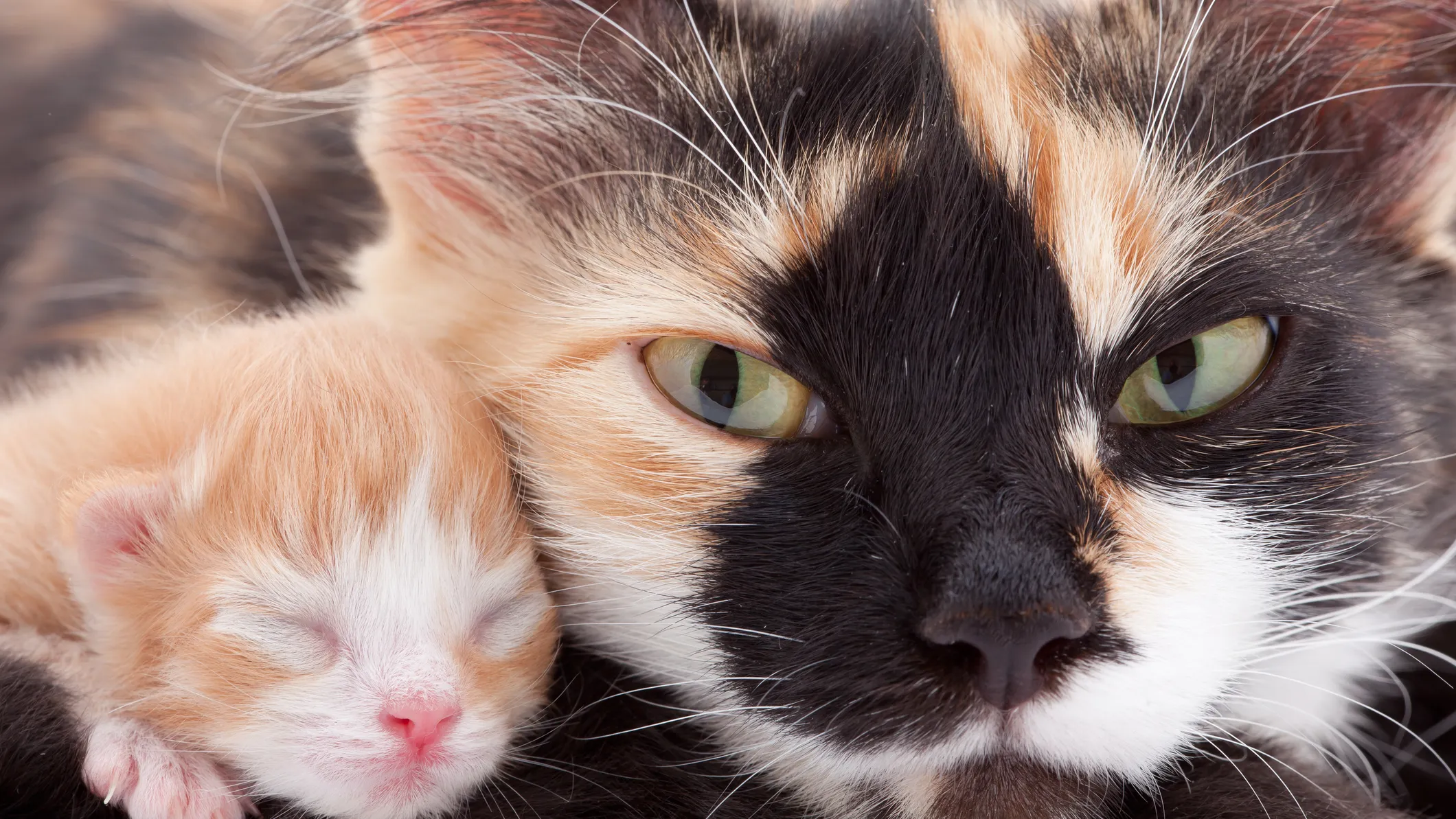
National Kitten Day on July 10 highlights the rapid development of kittens as they grow from helpless newborns into playful pets within weeks. The kitten stage typically lasts until around six months of age, transitioning to adolescence, with many cats reaching their full size by their first birthday.
Read More
Kittens exhibit high energy levels as they climb, pounce, and explore their surroundings, often recommending adoption in pairs to help them socialize and play together. Despite their independent reputation, cats are social animals, and having a companion can provide essential interaction and an outlet for their curiosity.
Foster care is crucial for the survival of young kittens, particularly those under six weeks old, who account for 47.5% of cat deaths, according to Best Friends Animal Society. Nonprofits like KitKat Playroom offer foster opportunities while educating the public about kitten care. Their current foster kittens, including a mother cat named Widget and her litter, are showcased through livestreams.
Kittens communicate primarily through vocalizations, especially to their mothers, but tend to meow at humans for attention as they grow older. Notably, kittens sleep approximately 20 hours a day to support their rapid growth and development.
Female kittens can become pregnant as early as four months, prompting recommendations from the ASPCA to spay or neuter them starting at eight weeks old. Until they are about two weeks old, newborn kittens are blind and deaf, relying entirely on their mother for care. All kittens are born with blue eyes, which change color around seven weeks of age.
Kittens possess an impressive sense of smell, around 14 times stronger than humans, helping them navigate before their other senses develop. They have a natural instinct to use a litter box, requiring no potty training, and cannot regulate their body temperature, making maternal care vital for keeping them warm.
Purring serves as a sign of contentment and also helps cats self-soothe, benefiting both the felines and their owners. Summer signals kitten season, when animal shelters often face an increase in cat populations and demand for resources. For those unable to adopt, volunteering, donating, fostering, or assisting community cats can significantly impact local animal welfare initiatives. Spaying or neutering remains the most effective strategy for controlling cat populations.