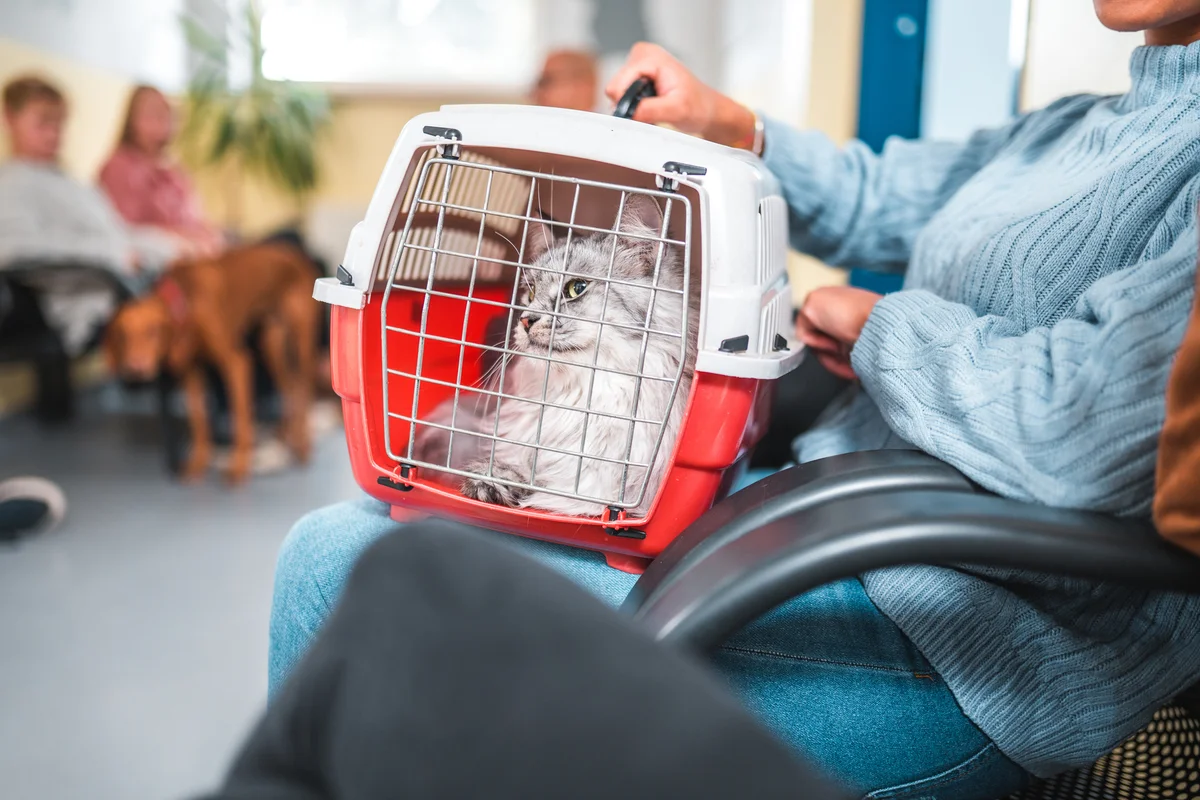
Cats, like humans, can experience dementia, a condition known as feline cognitive dysfunction syndrome. This age-related decline in cognitive abilities typically manifests through behavioral changes that are not attributable to other health issues. Research indicates that this condition is particularly common in older cats; a study found that over half of cats aged 15 and older exhibit signs of dementia, while behaviors linked to the condition have also been observed in cats as young as seven.
Read More
According to a survey, approximately 28% of cats between the ages of 11 and 14 displayed at least one behavioral change associated with dementia. Recognizing these signs is crucial for providing appropriate care. Here are eight indicators that suggest your cat may be experiencing dementia:
1. **Unusual Vocalization**: Excessive meowing, especially at night, can be a sign.
2. **Altered Interactions**: Cats may become clingy, seek more attention, or withdraw and show signs of irritation.
3. **Sleep Changes**: A cat might become restless at night and sleep more during the day.
4. **House Soiling**: Toileting outside the litter box can signal cognitive decline.
5. **Disorientation**: Signs include confusion, wandering, staring blankly, or getting stuck in places.
6. **Changes in Activity Levels**: Affected cats may become less active, play less, or groom themselves infrequently.
7. **Appearing Anxious**: Cats may exhibit anxiety in previously comfortable situations, often seeking hiding spots.
8. **Learning Problems**: Difficulty in performing learned tasks, such as finding food, can indicate cognitive impairment.
Consulting a veterinarian is essential if you notice these signs, as they can also overlap with other common medical conditions like arthritis and kidney disease. While there is no cure for dementia in cats, strategies to manage the condition can help improve their quality of life. Environmental modifications can stimulate their cognitive function, but these should be tailored based on the severity of their dementia. For moderately affected cats, interactive toys and exploration games may be beneficial, while those with severe impairment could become confused by changes.
Dietary changes, such as adding antioxidants and essential fatty acids, might also slow the progression of the disease. However, only supplements specifically approved for cats should be administered, as dog-specific supplements can be toxic to felines.
Recognizing feline dementia early can lead to timely interventions that enhance your cat's quality of life. This article was contributed by Emily Blackwell, a Senior Lecturer in Animal Behaviour and Welfare, and Sara Lawrence-Mills, a Postdoctoral Researcher, both at the University of Bristol.