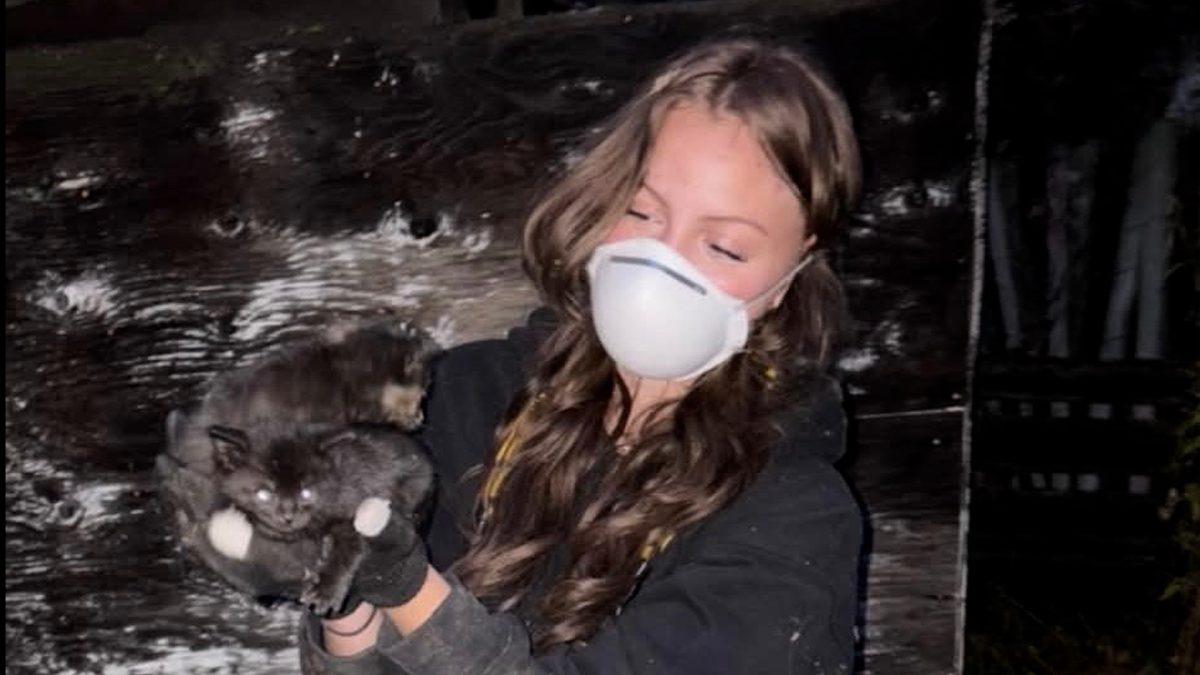
The group focused on rescuing feral cats faces significant challenges, including financial strain associated with veterinary care and flea treatments. Gareau stated, “We don’t have endless funds to pay for everything,” highlighting the need for community support to further their efforts.
Read More
The rescue operations are labor-intensive. According to Gareau, many cats hide due to fear, and volunteers use treats and fresh fish to lure them. They set humane traps and monitor them every 10 to 15 minutes, often crawling under buildings in uncomfortable conditions that can include unpleasant odors from the cats’ living environment. After capturing the cats, volunteers encounter another hurdle: local shelters and rescues are already at capacity with stray animals. Gareau noted, “It’s hard to rescue a cat when there’s nowhere for them to go.”
Angela McLaren, executive director of the Prince George Humane Society, indicated that feral cat colonies pose a major challenge for animal welfare organizations. Feral cats tend to be unaccustomed to human interaction, complicating the adoption process; many ultimately find homes in barns. McLaren mentioned the society's initiatives, such as relocating animals, hosting adoption events, and expanding foster programs, but acknowledged these measures are insufficient. She asserted that spay and neuter programs represent the only viable long-term solution, stating, “Realistically, we can’t house all the animals that need help.”
She also pointed out that the society's shelter has limited capacity and that public frustration can be counterproductive to staff morale. McLaren encouraged community involvement through fostering, fundraising, or supporting rescue organizations, saying, “Every little bit helps.” Gareau advised prospective pet owners to consider the financial implications of pet ownership, stressing the importance of spaying or neutering pets to prevent future overpopulation.
More details about “Sandra’s Stray Squad” can be found on Facebook.