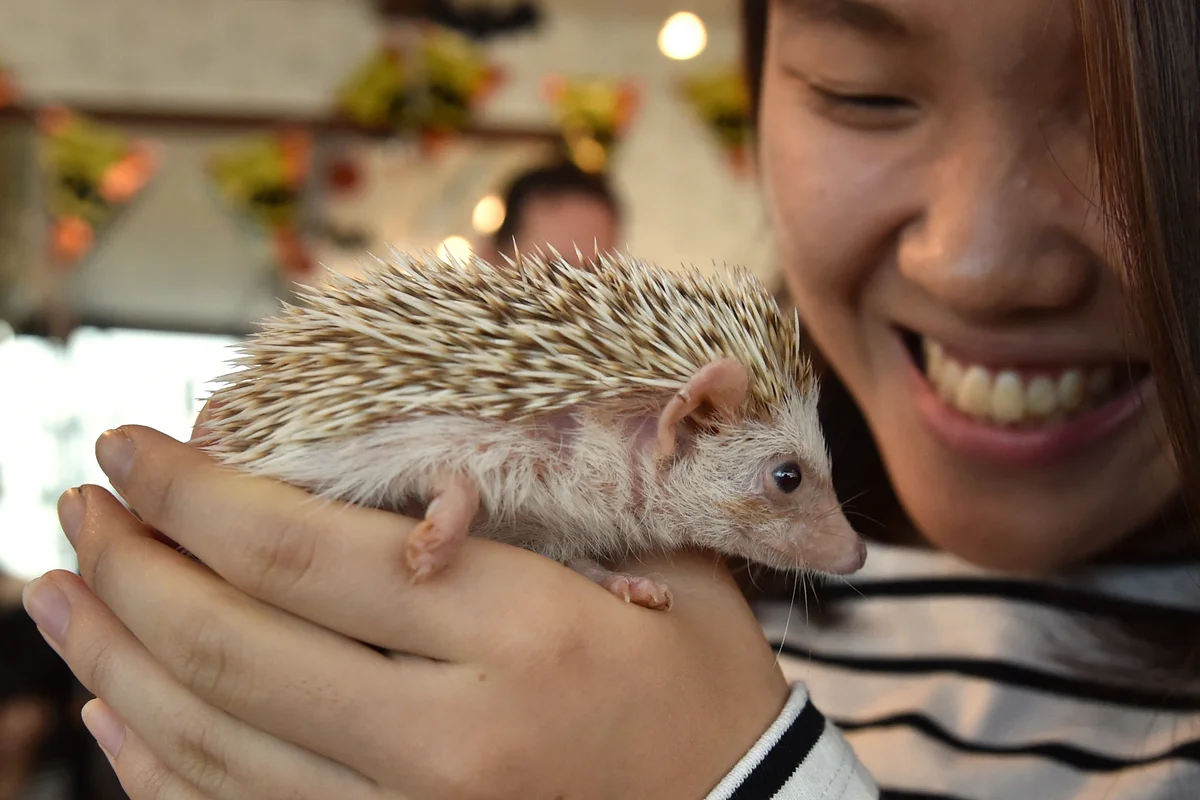
Japan's renowned animal cafes face scrutiny as the government initiates its first nationwide survey to assess the safety and conditions of these establishments. Each year, millions of tourists flock to cafes featuring a variety of exotic animals, including otters, owls, and marmots, allowing for unique interactions. However, this popularity has raised concerns regarding animal welfare, hygiene, and public health, according to officials.
Read More
The survey, which began this month, aims to document the number of animal cafes, the species they house, and the conditions under which these animals are kept, as well as how visitors engage with them. Researchers are especially worried about facilities that keep threatened species and the implications for wildlife protection.
Takuya Ishikawa from the Environment Ministry highlighted the lack of specific regulations governing these cafes, stating that there has been significant public interest in the welfare of these animals. He noted that animal welfare groups have regularly provided the ministry with findings from their research, and experts on a government advisory panel have raised concerns about potential issues at these cafes.
The survey will also encompass cafes featuring domesticated animals such as cats and dogs. In addition, the government plans to launch a public awareness campaign to better inform the public about the risks associated with interacting with exotic animals.
Some in the industry have welcomed the prospect of stricter oversight. Syaina Nozaki, the manager of Owl Otter Cafe in Kamakura, expressed hope that regulations will differentiate responsible facilities from those solely focused on profit. According to a report by the World Wildlife Fund, Japan ranks as the world’s second-largest importer of live reptiles and mammals by value, underscoring additional risks like the introduction of invasive species and the transmission of zoonotic diseases.
A report indicated that of the approximately 80 registered wildlife cafes in Tokyo and Osaka, around 75% are also licensed for animal sales. Examination of 25 cafes revealed over 1,700 animals on display, with 27% identified as threatened species. Additionally, more than 90% of the cafes displayed animals known to pose injury risks to visitors, and testing from four cafes showed the presence of enterohemorrhagic E. coli (EHEC), a bacterium that can cause severe gastrointestinal illness.