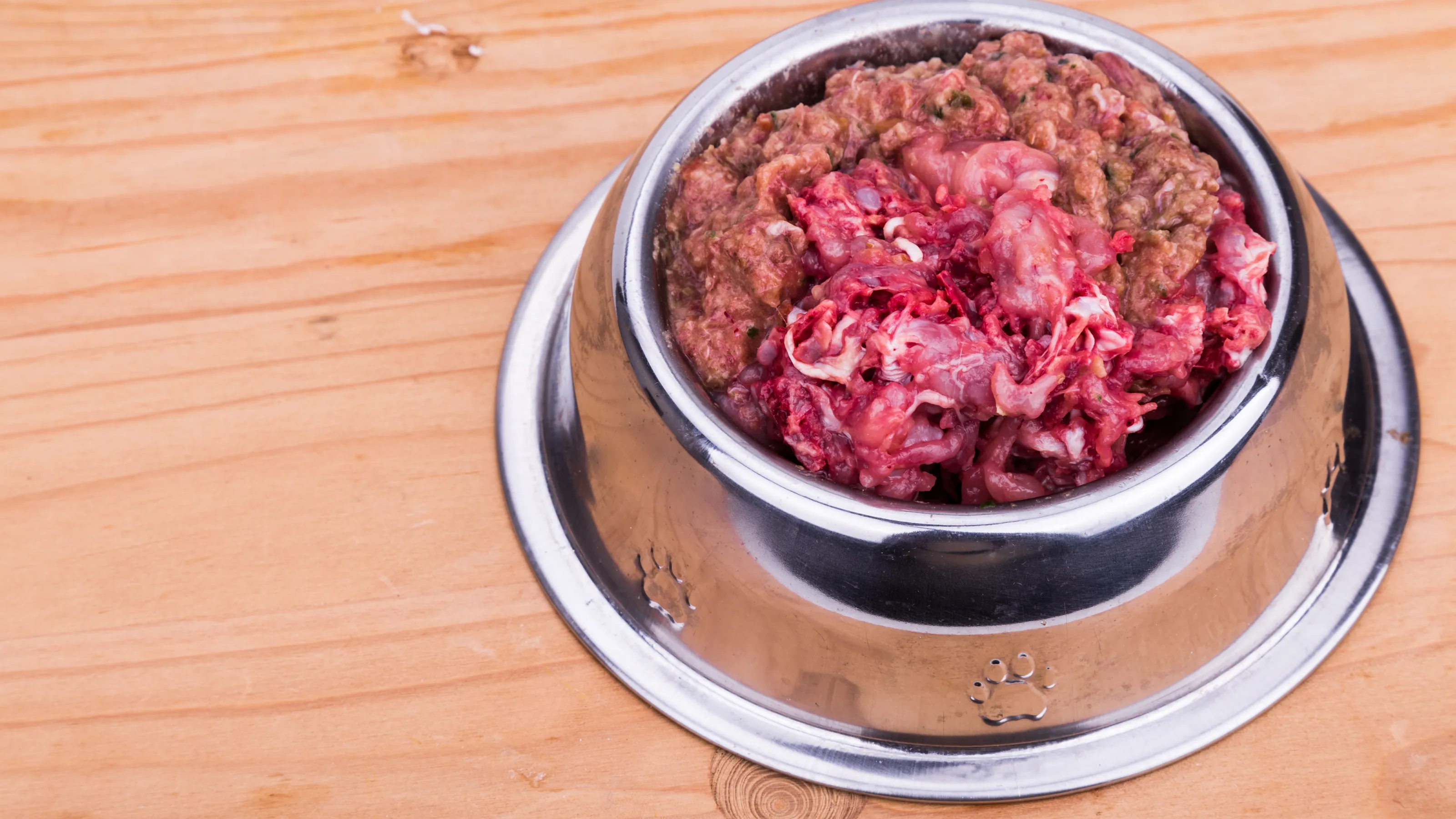
Oma's Pride has announced a voluntary recall of its frozen raw dog food due to potential salmonella contamination. The recall, issued on August 12, 2026, follows a consumer complaint that led to testing, which confirmed the presence of the pathogen.
Read More
The recall affects 639 six-pound bags of the Woof Complete Canine Chicken Recipe sold in 11 states. The affected product has a lot number of BB012729, a UPC of 879384001459, and a best-by date of January 27, 2029. The food was sold at various retailers and directly through the company's website between February 12, 2026, and May 15, 2026. The states involved are Arizona, California, Indiana, Kentucky, Louisiana, Maryland, New Jersey, Nevada, New York, Pennsylvania, and Virginia.
As of August 17, 2026, three reported illnesses are linked to this recall, all involving dogs, with no reported human illnesses at this time. Consumers are advised to stop using the recalled product immediately. The FDA recommends that the food not be sold or donated and should be disposed of in a manner that prevents access by pets, children, or wildlife. Additionally, pet food bowls and any surfaces that may have come into contact with the food should be thoroughly cleaned and sanitized.
Salmonella poisoning symptoms in humans can include bloody diarrhea, severe abdominal cramps, and fever. Symptoms typically develop within six hours to six days after exposure. While dogs may not show symptoms, they can still spread the bacteria. Pet owners should consult a veterinarian if they suspect their dog has consumed the recalled food, especially if the dog shows signs such as lethargy, diarrhea, or decreased appetite.
Raw pet food has gained popularity for its perceived health benefits, though it poses risks such as salmonella and other illnesses. The CDC notes that commercial raw pet foods lack the heat treatment that eliminates harmful bacteria, making them susceptible to recalls. Notably, other health concerns, including bird flu, have also been linked to raw pet food, with several cases reported in cats since 2024.
This recall serves as a reminder for pet owners to be vigilant about the safety of their pets' food.