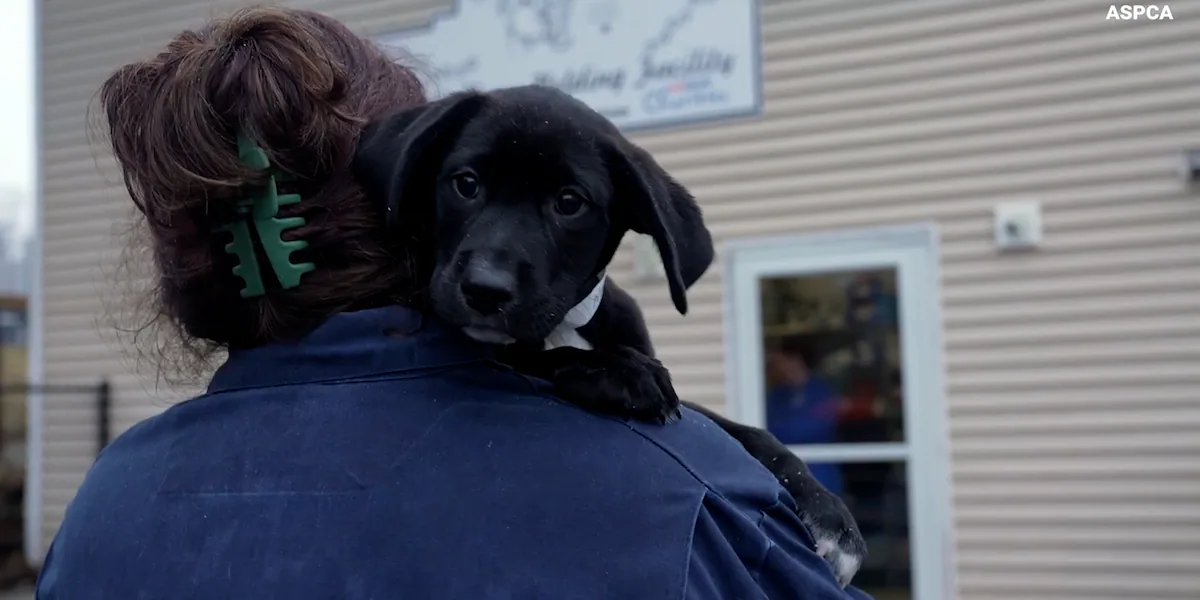
KANSAS CITY, Mo. — Many animal shelters in the U.S. are facing overwhelming pressures, largely due to geographic factors. Shelters in the South often deal with inadequate resources and overcrowding, resulting in over 600,000 animals being euthanized in U.S. shelters in 2024. Experts note that many of these animals could find homes if they were relocated to areas with greater adoption potential. The ASPCA and similar organizations are addressing this issue through pet relocation programs that transport animals hundreds of miles by land and air.
Read More
In Kansas City, Johnny Hunter recently adopted a dog named Abby from Wayside Waifs, which had brought her from Arkansas as part of the relocation initiative. Hunter said that adopting Abby has greatly enriched his life, and he believes her relocation may have saved her life.
Casey Waugh, a veteran employee at Wayside Waifs, confirms the impact of the ASPCA's national relocation network, which has been operational since 2010. The shelter aims to help homeless animals outside of Kansas City by transporting them to safer environments. In 2025 alone, Wayside Waifs took in around 850 animals through this program, highlighting the dire situation many animals face in less-resourced areas.
Karen Walsh, senior director of relocation at the ASPCA, explained that the program has been active since 2014 and collaborates with over 140 shelters nationwide. Overpopulation is especially problematic in the South and Midwest, where longer breeding seasons and limited spay and neuter services exacerbate the issue. Walsh emphasized the logistical challenges of restoring balance, involving a fleet of over 20 vehicles and temporary housing for animals during transit, ensuring that no vehicle travels more than 650 miles without a stop.
Safety during these relocations is paramount. The ASPCA adheres to guidelines from the Association of Shelter Veterinarians and the American Veterinary Medical Association to protect animal health. Dr. Michael Bailey, former president of the American Veterinary Medical Association, highlighted the importance of proper care and health certifications during relocations. However, he warned that transportation can pose risks, including stress-related health issues.
Despite the challenges, Walsh noted the program’s success, stating that over 300,000 animals have been relocated in the past decade. Community engagement and effective spay and neuter programs are essential to addressing the root causes of shelter overpopulation.
In December 2025, New York initiated new regulations aimed at improving conditions for animal relocations, underscoring a growing trend toward stricter oversight in various states. With committed adopters waiting in places with more resources, the relocation program offers hope to many animals in need.