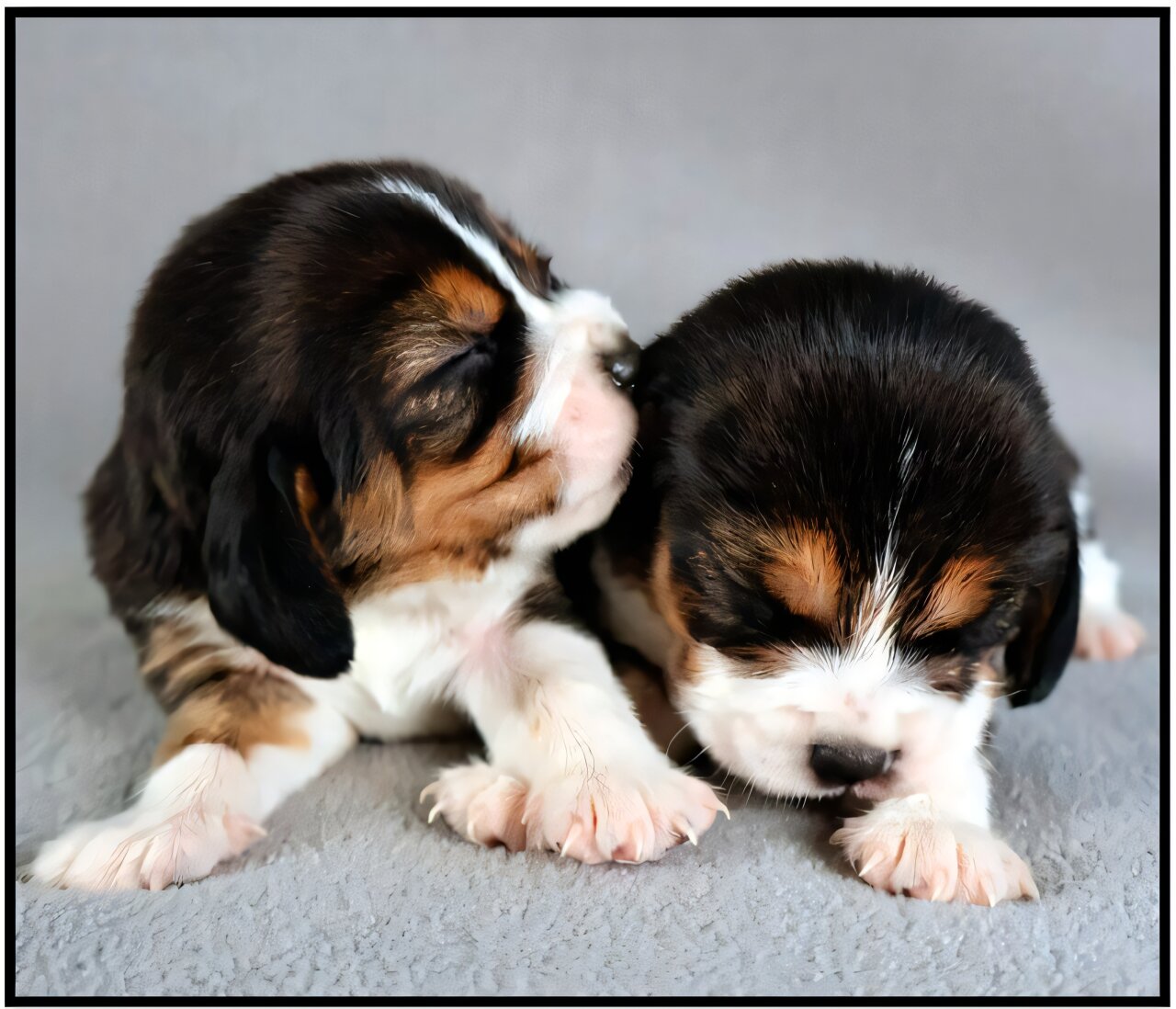
In a groundbreaking study published in The CRISPR Journal, researchers have successfully created beagle puppies that do not produce detectable levels of the Can f 1 protein, a major allergen in dogs. The study addresses the needs of approximately 15% of the global population who suffer from dog allergies, which can exacerbate conditions like hay fever and asthma.
Read More
The research team utilized the CRISPR-Cas9 gene-editing tool to target the Can f 1 gene in skin cells from beagles. By making a precise alteration—adding a single DNA base—the gene's ability to produce the allergenic protein was effectively turned off. The edited DNA was then introduced into mature eggs from donor beagles, resulting in the birth of two female puppies, named Alfie and Bailey.
In tests conducted on their saliva, hair, and dander, no trace of the Can f 1 protein was found. This is significant considering that current allergy management predominantly revolves around either avoiding dogs or undergoing immunotherapy, neither of which completely resolves the issue.
The implications of dog allergies can be severe, ranging from mild symptoms like sneezing to severe asthma attacks requiring medical intervention. The allergen spreads easily through homes, making complete avoidance challenging.
This study deviates from traditional approaches that focus on modifying human immune responses. Instead, it directly targets the allergen source. The research involved cloning techniques, where edited skin cells were injected into enucleated eggs, leading to the creation of embryos which were then implanted into surrogate mothers.
Genetic validation indicated that no unintended genetic damage occurred in the puppies. Although the study primarily serves as a proof of concept, it highlights the potential to eliminate the major dog allergen in living animals. Further research is necessary to ensure the long-term safety and welfare of the genetically edited dogs before any commercial application can be considered.
In follow-up tests, a volunteer reacted with allergic bumps when exposed to saliva from a normal beagle and even some hypoallergenic breeds, but exhibited no reaction when tested with the gene-edited puppies. This demonstrates a significant step forward in addressing dog allergies through genetic editing.