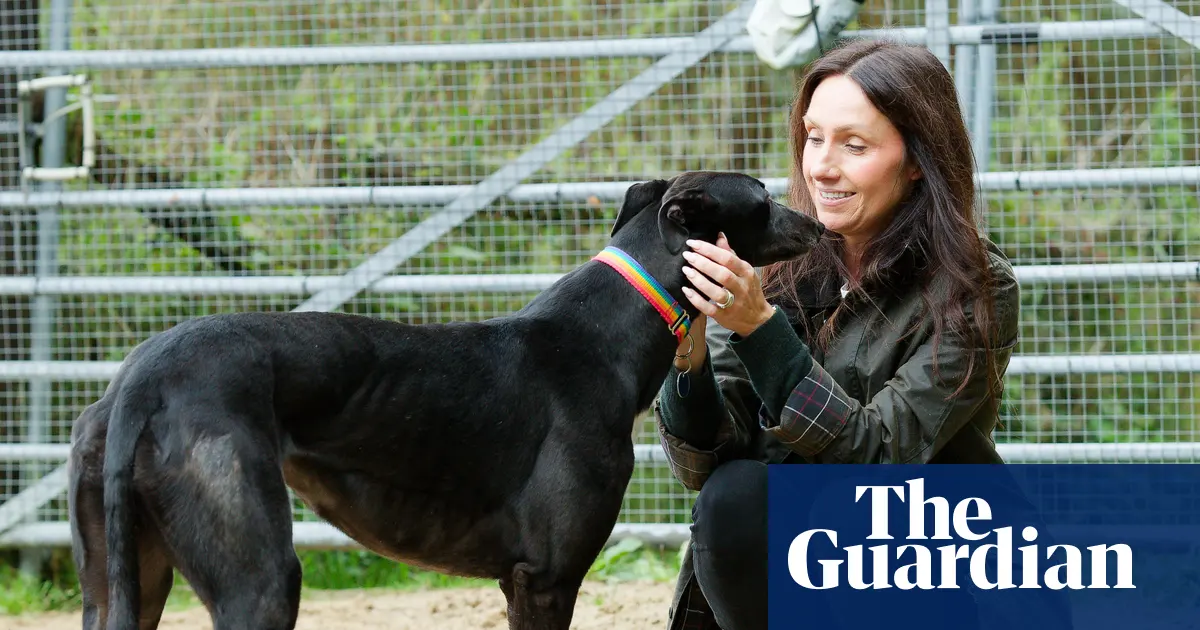
Wales has become the first UK nation to ban greyhound racing, but challenges have emerged regarding the timeline and logistics of phasing out the practice, raising concerns about animal welfare, according to a charity. The law, which received royal assent in April 2023, allows a three-year window for the ban's implementation and is managed by a working group that includes representatives from the racing industry and animal welfare organizations.
Read More
The initial report from the implementation group highlighted a deadlock: animal welfare advocates are advocating for a gradual cessation of racing to prevent a crisis in rehoming hundreds of greyhounds, while industry members argue that a phased approach is impractical. While the report suggested a 12-month transition period for rehoming, it lacks mechanisms to enforce this recommendation.
Claire James, chief executive of Greyhound Rescue Wales, emphasized the urgency, stating that if an abrupt end is imposed, her organization and others will prioritize the welfare of the dogs, despite industry pressures. The only greyhound racing venue in Wales, Valley Greyhounds Stadium located near Caerphilly, did not respond to requests for comment.
Greyhound racing has a century-long history in the UK, historically catering to a diverse audience. However, the industry has seen a decline, with many tracks increasingly relying on online betting rather than in-person attendance. Reports from the Greyhound Board of Great Britain (GBGB) indicate that between 2018 and 2023, 2,700 greyhounds died and over 26,500 injuries occurred in the sport, which has a brief average racing career of about 14 months.
Despite the ban, the closure of racetracks in places like Oxford and Swindon has led to a rise in operations at Valley Greyhounds, which currently registers around 360 dogs and 18 trainers. The implementation report estimates it would cost up to £2,800 to rehome each dog. Nicola Jones, head of rescue and rehoming at the Greyhound Rescue Wales center in Ammanford, noted they receive two to three dogs each week, often needing significant medical and behavioral rehabilitation after their racing careers.
The ban in Wales was quickly followed by similar legislation in Scotland, where a vote occurred a day later. However, Scotland's last racetrack is set to close in 2024, indicating that it was already facing a decline. Following the legislative actions in both nations, several Labour MPs urged former Prime Minister Keir Starmer to consider a similar ban in England.
Concerns regarding the Welsh ban surfaced early when civil servants suggested licensing owners instead of enforcing a total ban due to a lack of evidence to support such a drastic measure. The economic implications of the ban remain uncertain, with Valley Greyhound Stadium projecting £15 million in revenue from streaming contracts over the next five years. GBGB has legally contested the ban, arguing that the consultation process was inadequate, though the high court dismissed their petition.
Abbie MacGregor, corporate affairs director at GBGB, expressed the need for industry caretakers to manage the aftermath of the ban thoughtfully, underscoring the importance of allowing adequate time and resources for the welfare of the greyhounds. A spokesperson for the Welsh government stated that further reports will follow as plans for the ban's implementation continue to evolve.