SINGAPORE – Singapore has introduced its first Code of Animal Welfare (COAW) specifically for dog trainers, promoting humane training methods. A notable update for pet groomers mandates that they must be present with animals during grooming sessions, a response to several incidents where dogs died while left unattended.
Read More
The National Parks Board’s Animal and Veterinary Service (AVS) stated that these initiatives align animal welfare standards with global practices relevant to Singapore. The new code for dog trainers embraces the least intrusive, minimally aversive (LIMA) approach, advocating evidence-based training methods and positive reinforcement to modify behavior, rejecting the use of electric collars.
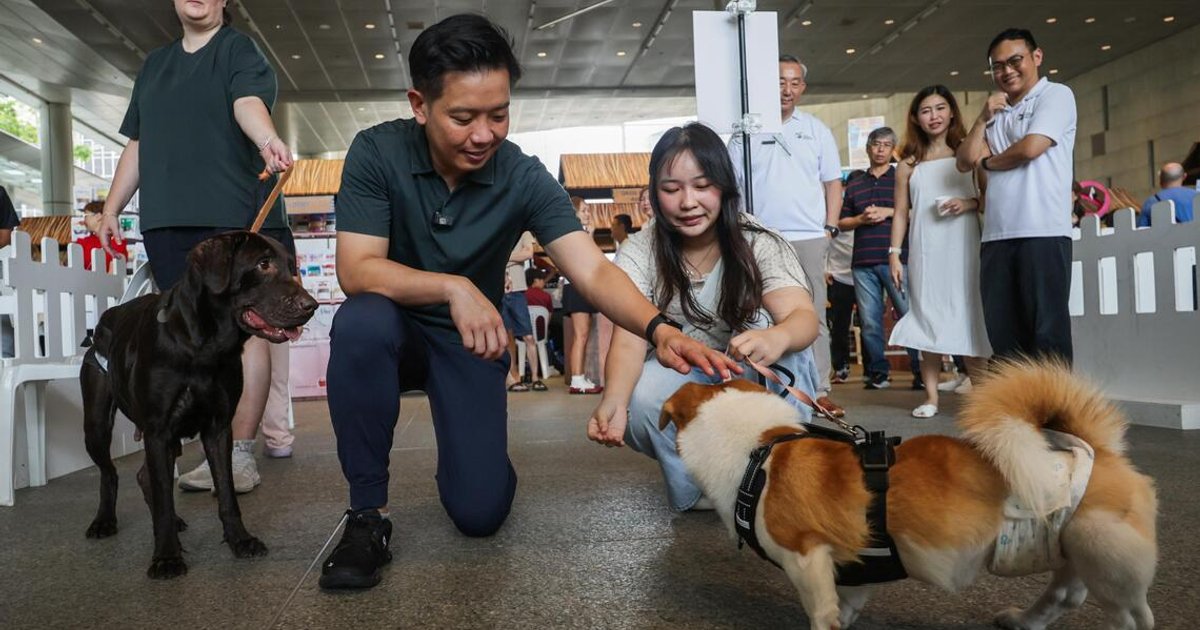
Minister of State for National Development and Foreign Affairs Alvin Tan unveiled the codes on October 3 during the World Animal Day event at The Plaza at the National Library Building. Singapore previously lacked a dedicated code for animal welfare and competency standards for dog trainers. Tan noted that these efforts aim to enhance dog training standards and instill greater confidence in dog owners regarding how their pets are trained.
The COAW builds on previous initiatives, including the AVS-Accredited Certified Dog Trainer Scheme and warnings about the dangers of aversive training devices like electronic shock collars. These codes follow public outcry after alarming viral videos depicting mistreatment by dog trainers. One incident involved a trainer from K9 Connection charged with animal cruelty for hitting a dog, while another video showed employees from Xavian and Pack engaging in abusive behavior.
In the pet grooming sector, the AVS has investigated 54 cases of alleged harm to animals in grooming settings over the past three years. High-profile cases include a corgi that died after falling off a grooming table at Pawkins SG, leading to a $10,000 fine for the salon’s owner, and a standard poodle named Buddy that reportedly died after being left unattended at Pawsome.sg.
The revised grooming code outlines standards for animal handling, competency demonstrations, communication with clients, and record keeping. It emphasizes that pet owners also have responsibilities for their pets' welfare. Additionally, the AVS plans to review the existing 2017 COAW to ensure its relevance to current pet ownership trends and global standards.
The updated COAW will delineate minimum standards and best practices, addressing accountability, housing, diet, behavior, and health for various animals, including dogs, cats, and small mammals. AVS will conduct public consultations involving pet owners, veterinarians, and animal welfare groups to gather feedback.
On September 23, a man was sentenced to 16 weeks in prison for abandoning 71 cats in a deplorable condition, resulting in the deaths of nine cats. This incident underscores the urgent need for comprehensive animal welfare standards. Tan reiterated that the codes would establish clear minimum standards for the housing and care of animals, with potential consequences for those who fail to comply.