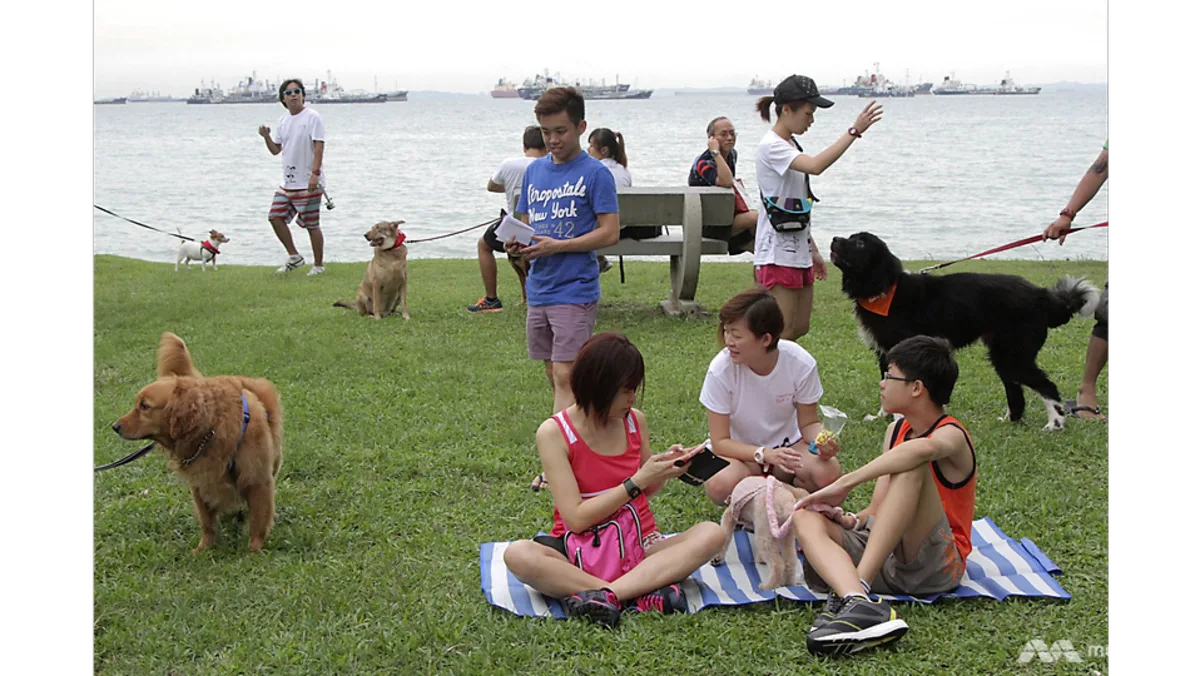
SINGAPORE: The Animal and Veterinary Service (AVS) launched a new code of animal welfare for dog trainers on Saturday, October 3, 2026. This code emphasizes humane training methods that prioritize the welfare of dogs, promoting the least intrusive, minimally aversive (LIMA) approach. Trainers are encouraged to utilize positive reinforcement techniques as the basis for behavior modification.
Read More
While electronic shock collars are not explicitly banned, trainers must first consider less intrusive methods before resorting to such tools. This new code supplements the existing animal welfare guidelines for the pet industry established in 2016, which have not previously provided specific standards for dog trainers and their competencies.
In addition to the dog trainer guidelines, AVS updated the code for pet groomers. Key revisions include a minimum standard requiring that animals not be left unattended during grooming and that they receive consistent supervision, especially when tethered or in groups. AVS emphasizes these standards to protect the health and welfare of pets.
Minister of State for National Development, Alvin Tan, stated at the World Animal Day event that these codes aim to establish clear standards for animal care. He highlighted that adherence to these standards is essential for both trainers and groomers.
Recent high-profile incidents have prompted these changes. In 2024, a corgi fell from a grooming table and died after being left unattended. The AVS has received numerous complaints concerning harm to pets due to negligent grooming practices, prompting a reevaluation of existing standards.
The new code for dog trainers encompasses six key areas: training approach, training environment, professional competency, client communication, record-keeping, and procedures for referrals and transportation. It requires trainers to keep detailed records on dogs and their owners, contributing to overall transparency and accountability within the profession.
Feedback from the public and industry professionals highlighted the need for better standards. AVS conducted surveys and discussions to inform the revisions, which include updated requirements for competency and communication standards for groomers.
The AVS plans to review the code of animal welfare for pet owners in 2027, aiming to align local standards with international practices and to reflect the changing landscape of pet ownership in Singapore. Overall, the efforts of the AVS underscore the significance of responsible pet ownership and care.