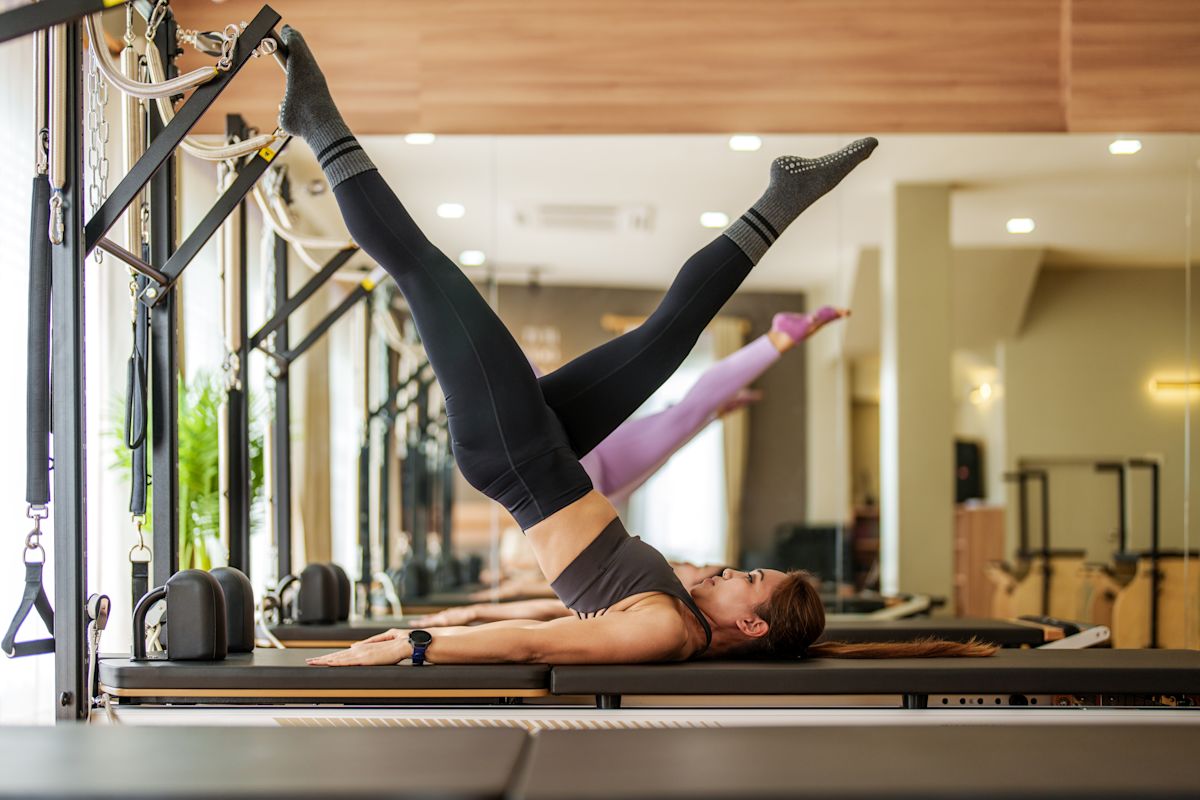
Pilates, a workout developed by Joseph Pilates in 1926, has recently gained renewed attention. While traditionally popular among women, particularly since its peak in the late '90s and early 2000s illustrated by characters like Samantha Jones from Sex and the City, the conversation surrounding it has expanded significantly. Now, it intertwines with topics of dating preferences, gender politics, and misogyny.
Read More
A notable moment from Season 10 of the reality show Love Is Blind highlighted this shift, as a male contestant ended his engagement by expressing a lack of physical attraction and mentioning he would prefer to date someone who practices Pilates. This sparked a considerable online reaction, leading to discussions around how such remarks reflect societal expectations of women's bodies. Similarly, on the Call Her Daddy podcast, Jessi Draper recounted her husband's insistence that she take Pilates classes, stirring disagreements about the implications of associating fitness habits with desirable traits.
Social media platforms like TikTok have further influenced this narrative, with male creators asserting that women who engage in Pilates are seen as more "wholesome" or desirable. One TikToker, Christian Bonnier, suggested that if a woman practices Pilates, she should be immediately considered for marriage, reflecting a broader cultural archetype of the "Pilates wife"—typically portrayed as slender and polished.
Mikala Jamison, a health writer, offers insight into this trend, suggesting its political interpretations may be exaggerated. She argues that Pilates' visibility on social media is driving these associations, rather than reflecting an ideological shift. Jamison notes that men's understanding of fitness is often shaped by the highly curated images presented online, leading them to associate Pilates with a specific type of woman.
Kemberly Deane, founder of Kinfolk Pilates, points out that Pilates was originally created as a rehabilitative exercise, focused on overall body strength and efficiency rather than aesthetics. This foundational purpose is often lost amid the current narratives. Deane's approach emphasizes the functional benefits of Pilates, working with professional athletes on injury prevention and recovery, in contrast to the superficial