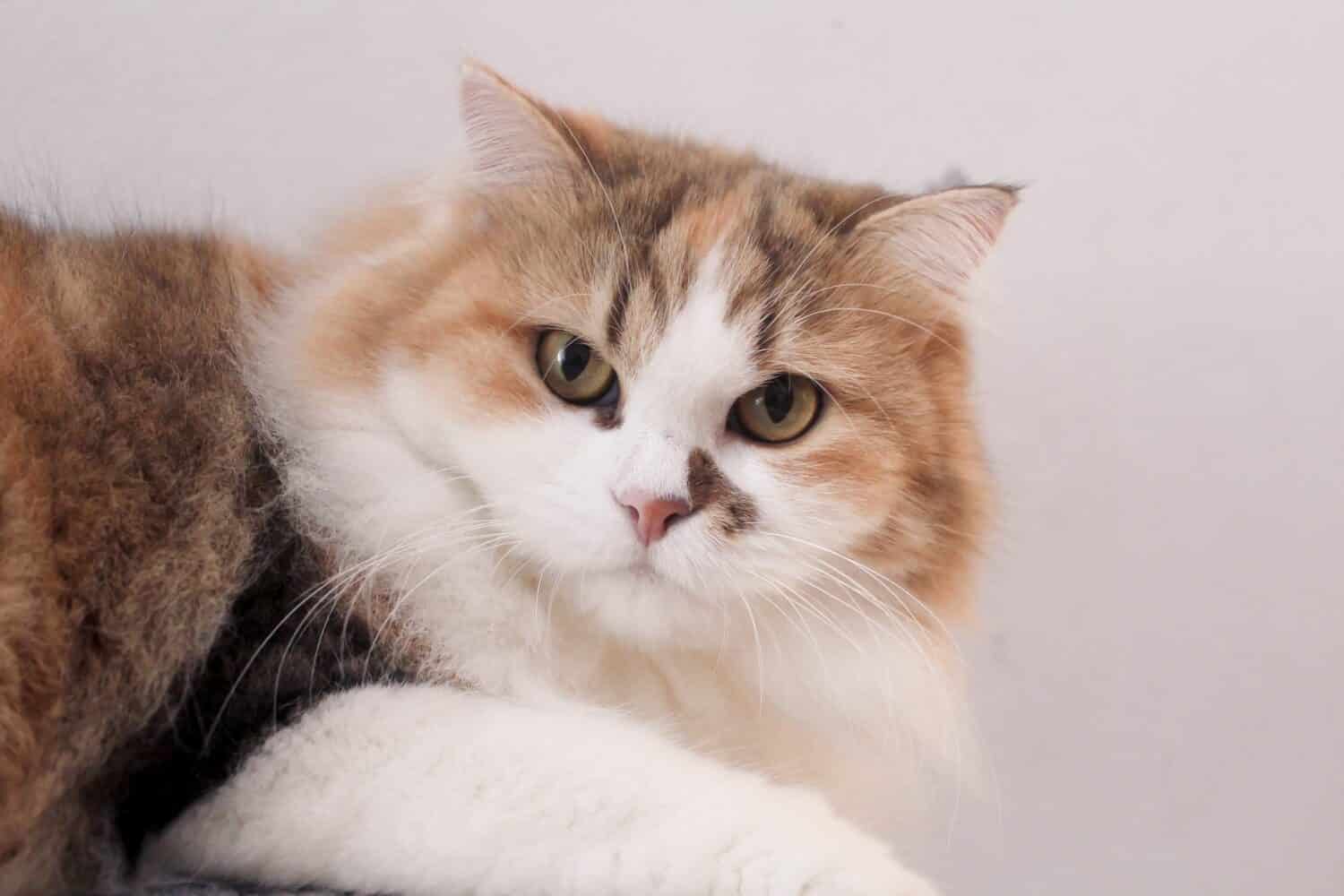
Research published in the Animals Journal indicates that 41% of cat owners keep their pets exclusively indoors, primarily for safety reasons, which accounts for 85% of this group. This leads to the question: Do indoor cats actually have longer lifespans than outdoor cats?
Read More
Various factors contribute to the health and longevity of indoor cats, including genetics, nutrition, exercise, and veterinary care.
Genetics plays a significant role, as certain breeds tend to have longer lifespans. Breeds known for their longevity include the Russian Blue, Siamese, Ragdoll, Burmese, and American shorthair. The oldest documented cat, an American shorthair, lived nearly 40 years. In general, many of these breeds can live well into their teen years. In contrast, mixed-breed cats may offer better longevity due to fewer inherited health issues.
Nutrition is another crucial factor. A nine-year study by the Purina Institute revealed that diet significantly influences a cat's lifespan. Providing a well-balanced diet rich in vitamins and macronutrients, particularly those with antioxidants and essential fatty acids, can extend the life expectancy of indoor cats. Unlike outdoor cats, indoor cats have a limited space to exercise, making it essential to feed them appropriately to maintain a healthy weight.
Regular exercise is vital for indoor cats, who generally do not burn as many calories as their outdoor counterparts. Activities can include leashed walks, play sessions with other pets, or the use of interactive toys. Tools such as climbing towers and puzzle feeders can help maintain both physical health and mental stimulation. Exercise is important for preventing obesity and related health concerns, such as diabetes and heart disease.
Routine veterinary care is essential for adult cats, emphasizing preventive measures like vaccinations and regular check-ups. Such care helps identify potential health issues early on and can extend a cat's lifespan, particularly in purebreds prone to specific health conditions.
Environmental enrichment is key for indoor cats to prevent boredom, which can lead to destructive behaviors. Providing a safe and stimulating environment that includes toys, scratching posts, and climbing structures can enhance their quality of life.
Managing stress and anxiety is also critical. Factors such as new pets, loud noises, or lack of resources can contribute to stress, potentially shortening their lifespan. Finding ways to mitigate these stressors is vital for their overall health.
On average, indoor cats live 10 years longer than outdoor cats, with indoor lifespans ranging from 10 to 15 years compared to 2 to 5 years for outdoor cats. Outdoor cats face numerous dangers, including traffic, wildlife encounters, and exposure to harsh elements, making indoor life safer overall.
In conclusion, while indoor cats generally enjoy longer lifespans, responsible ownership through proper nutrition, exercise, environmental enrichment, and regular veterinary care is essential for ensuring their health and longevity.