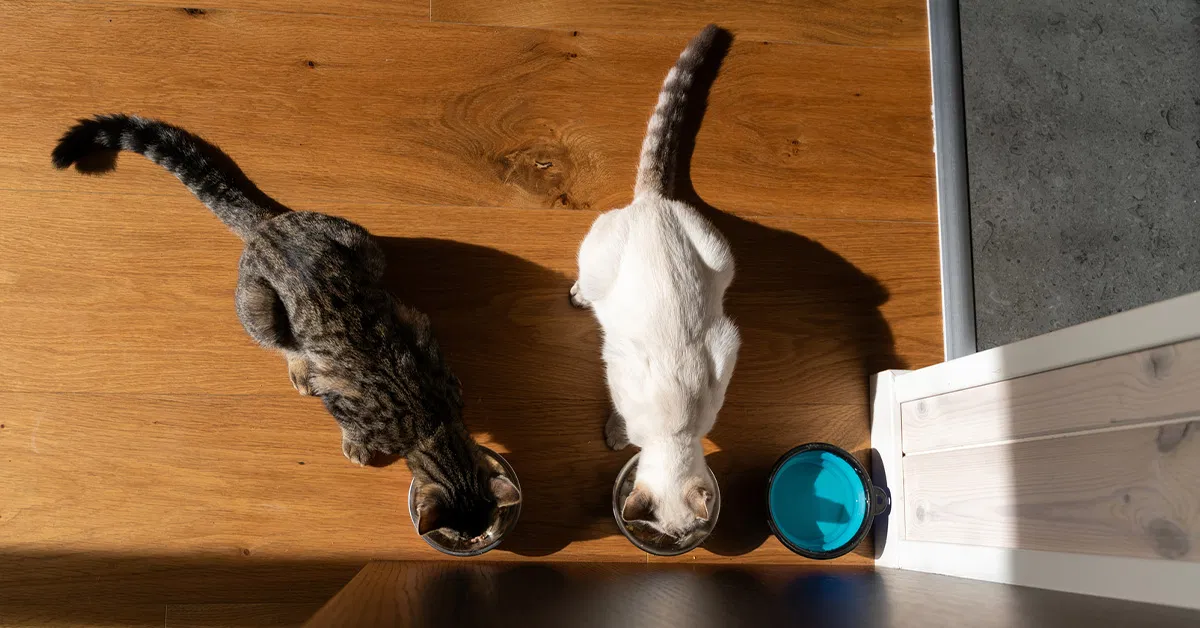
The safety of vegan and vegetarian diets for cats is a topic of debate due to their classification as obligate carnivores. While some pet owners are motivated by ethical concerns about animal welfare and the environmental impact of pet food, several factors must be considered before transitioning a cat to a plant-based diet.
Read More
An estimated 20 million vegetarian and vegan pet owners live in the United States, leading some to seek out vegan pet food options or create homemade diets for their cats. However, it is essential to ensure that any diet change meets a cat's nutritional needs, as deficiencies can arise with improperly formulated vegan or vegetarian diets.
Cats require several essential nutrients that can be difficult to obtain from non-animal sources, including taurine, niacin, vitamin A (retinol), and certain fatty acids. Key nutritional components necessary for a cat's survival include water, protein, fat, carbohydrates, vitamins, and minerals. Additionally, protein is made up of 23 amino acids, with 11 being essential for cats; these must be acquired from animal-based proteins because cats cannot synthesize them.
Deficiencies in these essential nutrients can lead to various health issues such as skin and coat problems, fatty liver disease, muscle weakness, weight changes, depression, lethargy, and neurological disorders like seizures or vision impairment. Furthermore, vegan cat food tends to be more alkaline than meat-based diets, potentially increasing the risk of urinary tract diseases in cats.
Vincent J. Tavella, DVM, emphasizes the need for caution, stating that while vegan diets for cats have not been proven to be beneficial, improperly formulated diets can have serious health consequences. Cats possess no dietary need for carbohydrates, although they can digest them when included appropriately. Excessive carbohydrates may contribute to obesity and diabetes in cats.
A 2023 study involving 1,369 cats indicated that pet owners reported healthier conditions in cats fed vegan diets compared to those given meat-based diets, although only 9% of participants utilized vegan food, and the statistical significance of the differences was limited. The study received support from the NGO ProVeg International, and while it did not detect clear negative health impacts, the evidence remains limited and may carry some bias.
It's crucial to approach the decision of feeding a cat a vegan diet with care. Consulting a veterinarian is recommended before making any dietary changes, particularly since ensuring a vegan diet meets nutritional standards can be challenging. Moreover, most commercially available vegan cat foods should meet AAFCO Cat Food Nutrient Profiles, which often require synthetic supplements to fulfill dietary needs, but few products comply with these standards.
Unless guided by a board-certified feline nutritionist, it is advised not to create a vegan diet at home. If a cat resists a vegan or vegetarian diet, this instinct serves as an indicator of their natural dietary preferences. Overall, while some individuals report success with vegan diets, further research is needed, and each cat's specific nutritional needs should be addressed with a veterinarian.