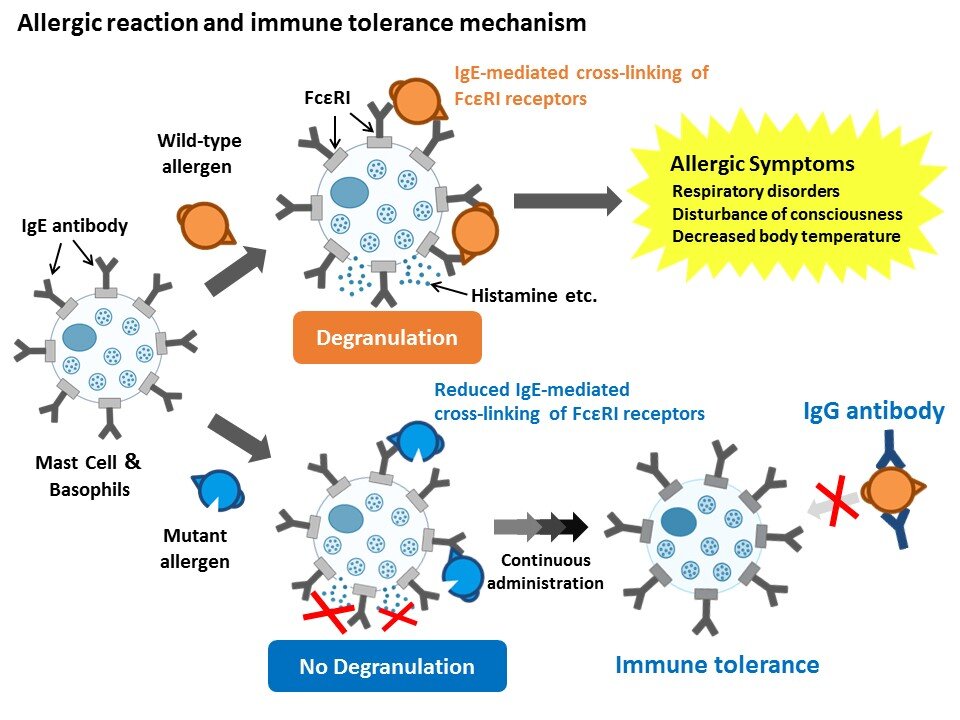
Researchers have identified key molecular candidates that could lead to a vaccine for dog allergies, as detailed in findings published in the Federation of European Biochemical Societies Journal on October 26. Despite extensive research into dog allergies, there have been few studies focusing on developing a cure by artificially inducing immune tolerance.
Read More
Dog allergies are increasingly common worldwide, with scientists having identified seven primary allergens known as Canis familiaris allergens 1 to 7 (Can f 1-7). Among these, Can f 1 accounts for 50-75 percent of allergic reactions, deriving from proteins in a dog's skin, saliva, and tongue.
The challenge remains in pinpointing the specific IgE epitopes of Can f 1—those parts of the allergen that trigger the immune response. Epitopes are crucial as they interact with antibodies, particularly the IgE class, which plays a significant role in allergic reactions. Identifying these epitopes is essential for developing a vaccine.
The research team, led by Takashi Inui from Osaka Prefecture University, utilized X-ray crystallography to analyze the structure of the Can f 1 protein for the first time. This analysis revealed that while the folding pattern of Can f 1 is similar to that of other Can f allergens, the surface electrical charges differ significantly, leading to promising candidates for IgE epitopes.
Further experiments are needed to refine these candidates, but the researchers believe the development of a hypoallergenic vaccine for dog allergies is feasible. This could not only be a groundbreaking achievement for treating dog allergies but might also pave the way for addressing various other allergic reactions through similar principles.