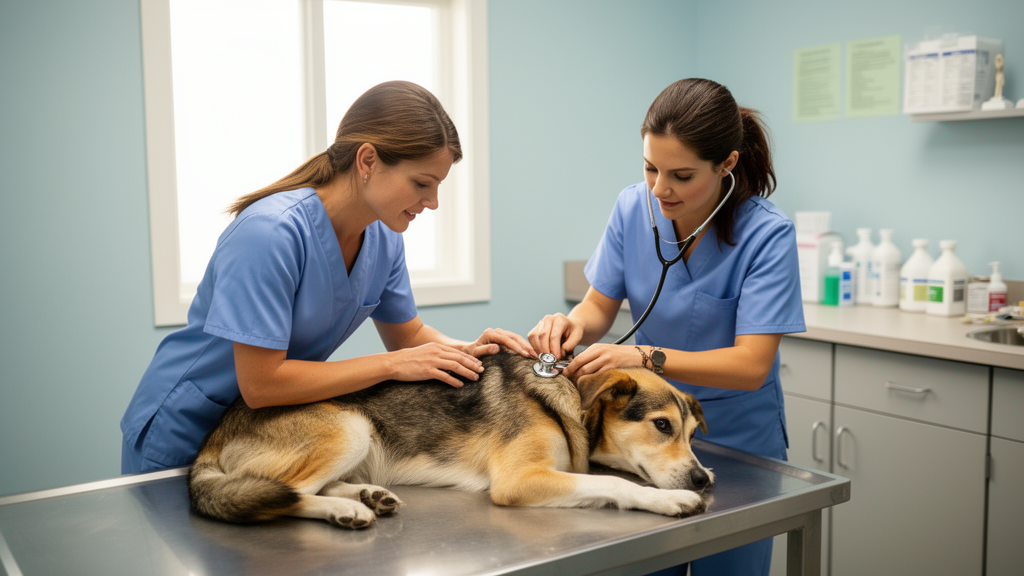
A recent study, the largest of its kind, reveals that heartworm-positive dogs can safely undergo routine spay and neuter surgeries using standard anesthesia and surgical protocols, with low complication rates. The retrospective study published in Parasites & Vectors analyzed records of 1,011 heartworm-positive dogs sterilized at Miami-Dade Animal Services in Florida from 2014 to 2024. Remarkably, there were no perioperative deaths in this group.
Read More
Concerns have persisted in shelter medicine regarding the risks of anesthesia for dogs infected with Dirofilaria immitis, the heartworm. These worms reside mainly in the pulmonary arteries, leading to potential complications, including pulmonary hypertension and right-sided heart failure. Anesthesia can exacerbate these conditions, prompting anxiety among veterinarians about potential hypoxia or thromboembolic crises during surgery. Evidence of prothrombotic tendencies in affected dogs further fueled these worries.
Despite these risks, many shelters opt to sterilize dogs before administering adulticide treatment. A survey revealed that 82.1 percent of 158 shelter veterinarians performed elective sterilizations prior to the use of melarsomine, a drug used to eradicate adult heartworms, while only 8.9 percent delayed until after treatment.
The study focused on dogs aged at least seven months who tested positive for heartworm antigen upon entry. Only those showing Class 1 or Class 2 disease symptoms, which indicate mild signs, were included. Dogs with severe symptoms were excluded, and assessments for severity were made based on physical examinations without extensive diagnostics.
All dogs in the study underwent the shelter’s standardized anesthetic process, which included a combination of dexmedetomidine, ketamine, and butorphanol, followed by maintenance with isoflurane and oxygen. The cohort consisted of 440 females and 571 males, with a median age of 36 months and a median weight of 23.8 kilograms. The majority of the surgeries—92.2 percent—were routine spays or neuters, while the remainder involved more complex procedures.
The study's findings were significant: no deaths occurred during surgery, and only 12 dogs (1.2 percent) faced major complications, most of which involved surgical-site issues rather than anesthetic problems. Minor complications were noted in 39 dogs (3.9 percent), primarily superficial issues that resolved without surgical intervention.
The results hold considerable implications for shelter management. Heartworm-positive dogs often face longer shelter stays and lower adoption rates due to concerns about treatment costs and recovery restrictions associated with adulticide therapy. Performing sterilizations before treatment can facilitate earlier adoptions. In fact, 93.6 percent of the dogs in this study were adopted, while a few received their first melarsomine injection during postoperative recovery without issues.
The authors stress that their findings have limitations, including the near-universal use of doxycycline and macrocyclic lactone preventive medications prior to surgery, which can reduce inflammation associated with heartworm. The study lacks a control group of heartworm-negative dogs, and follow-up periods were limited, which may have missed some complications.
Nonetheless, the study suggests that for heartworm-positive dogs with mild to moderate disease, standard surgical protocols can be safely implemented, allowing shelters in heartworm-endemic areas to proceed with sterilization and promote faster adoption processes.