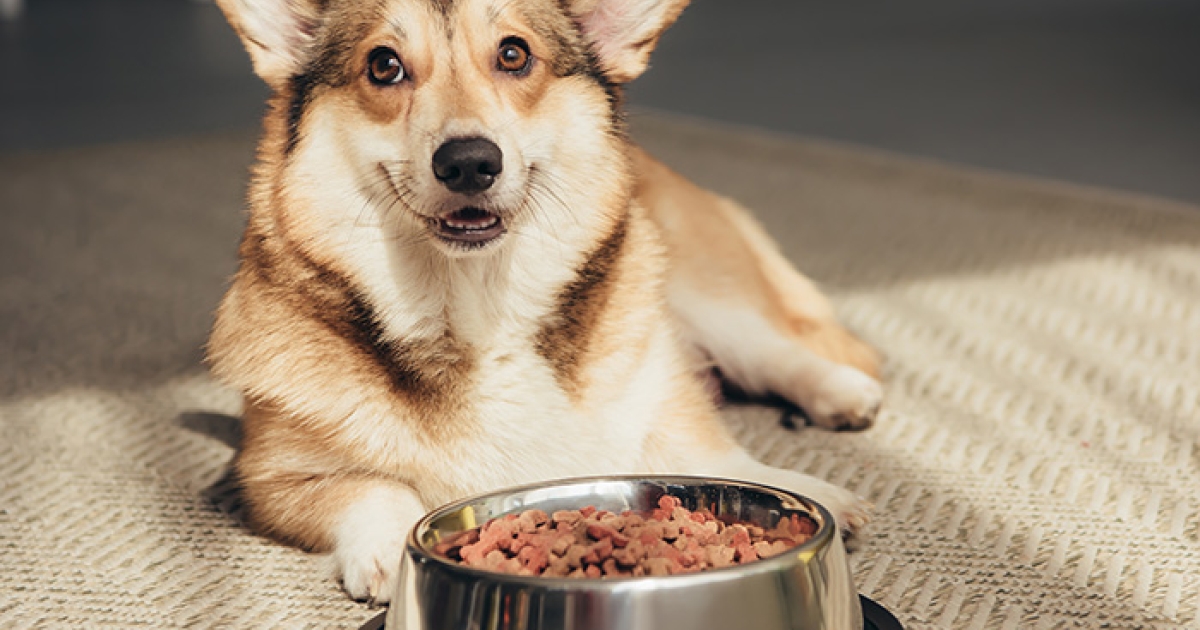
Pets are often considered family, but improper handling or contamination of pet food can pose health risks for both animals and humans. Bacteria such as salmonella, E. coli, and listeria can be present in pet food and may spread to human hands, kitchen surfaces, and utensils without direct consumption of the food itself.
Read More
The Association of American Feed Control Officials (AAFCO) states that human-grade pet food must comply with the same safety and handling standards as human food. Despite this, pet food can still harbor harmful bacteria. Pets often do not exhibit symptoms of contamination; they can carry these bacteria in their saliva, fur, or feces, potentially leading to serious foodborne illnesses in humans. Approximately one in six Americans experiences food poisoning annually, with higher risks among young children, older adults, pregnant individuals, and those with weakened immune systems.
Raw diets for pets, often advertised as natural, present a particularly high risk. A two-year study by the FDA’s Center for Veterinary Medicine tested over 1,000 pet food samples, revealing that 15 out of 196 raw pet food samples contained salmonella, and 32 tested positive for listeria. In contrast, only one dry cat food sample showed salmonella contamination. As pets consume raw food, they can transmit dangerous bacteria throughout the home. Consequently, the CDC advises against feeding raw pet food or treats.
Exposure to harmful bacteria can occur without direct consumption of pet food. Handling contaminated food, touching bowls or surfaces that have come in contact with pet food, and allowing pets to lick your face after meals are common ways bacteria can spread. This is especially concerning for vulnerable populations, including children, seniors, pregnant women, and immunocompromised individuals.
To ensure safe handling of pet food, it is crucial to adopt consistent food safety practices. These include washing hands after handling pet food, thoroughly cleaning and disinfecting bowls and surfaces, and keeping pet food separate from human food. If thawing raw pet food, it should be done in the refrigerator or microwave rather than on the counter, and surfaces it touches should be sanitized. Additionally, pet owners should avoid allowing pets to lick their faces after meals.
Pet food recalls can occur due to contamination, stressing the importance of monitoring recall lists from the FDA and related organizations to prevent issues before they arise. While refrigeration can slow bacteria growth, it does not eliminate the risk entirely, as some bacteria like listeria can thrive in cold conditions.
If someone in your household exhibits symptoms such as diarrhea or vomiting, it is crucial not to overlook the possibility that contaminated pet food might be the source, especially for vulnerable individuals.
Moreover, pet food can unintentionally expose individuals to allergens. Many pet foods contain common allergens like wheat, soy, or dairy, and cross-contamination can occur if surfaces and utensils are not adequately cleaned. For example, a child with a wheat allergy may be at risk if they help feed a dog that eats wheat-based kibble. Given that pet food does not always follow the same allergen labeling regulations as human food, it is advisable for those with food allergies to read labels carefully, avoid allergen-containing formulas when possible, and maintain good hygiene practices to reduce the risk of cross-contact.
In conclusion, while most pet food is safe when handled properly, risks associated with contamination, recalls, and especially raw diets can lead to harmful bacteria being spread. Simple safety measures, including hand washing, proper food storage, and monitoring recalls, can significantly reduce health risks in households, particularly those with young children, older adults, or people with weakened immune systems.