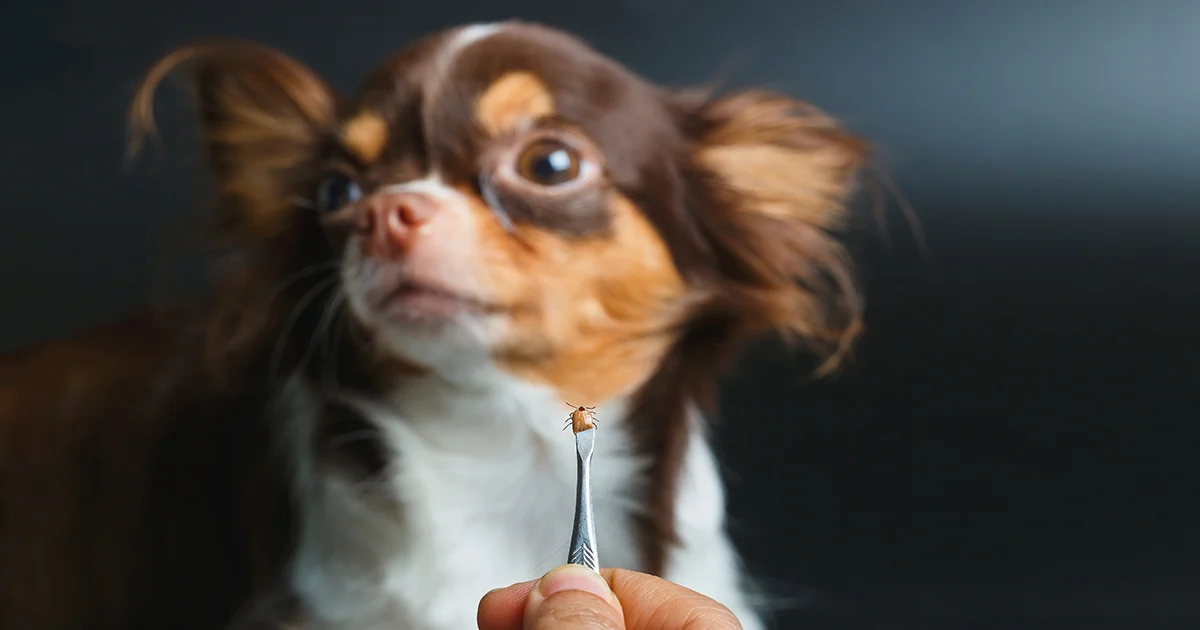
As warm weather approaches, outdoor activities increase, raising the risk for pets to encounter fleas and ticks. The ASPCA Animal Poison Control Center (APCC) highlights the importance of safeguarding pets from these common parasites and offers several prevention tips.
Read More
Fleas are the most prevalent external parasite affecting dogs and cats. They can live from 13 days to 12 months and produce millions of offspring during their lifetime. Symptoms such as excessive scratching and hair loss can indicate a flea infestation. Fleas may also lead to serious health issues, including anemia and intestinal parasites. If you suspect your pet has fleas, consult your veterinarian. Treatments may involve topical or oral medications, shampoos, and thorough cleaning of your home, including rugs and bedding. Severe infestations might necessitate the use of sprays or foggers, which may require temporarily vacating the premises. Lawn treatments could help if reinfestation occurs frequently. It's crucial to follow product instructions and veterinary advice to avoid potential complications.
Ticks, which feed on blood, can also affect pets by transmitting various diseases. They are most active in late spring and summer, particularly in warmer climates and wooded areas. Ticks often go unnoticed until they attach to the pet, typically around the head, neck, ears, and feet. It’s important to regularly check your pet for ticks, especially if they spend time outdoors. Pay close attention to areas like the ears, head, and feet during inspections. Complications from tick bites can include blood loss, anemia, tick paralysis, skin irritation, Lyme disease, and cytauxzoonosis.
If you find a tick on your pet, remove it carefully to prevent disease transmission. Maintaining your yard by mowing regularly and controlling rodent populations can help reduce tick exposure. Many flea treatments are also effective against ticks, providing dual protection.
If you suspect your pet has fleas or ticks, or if they experience adverse reactions to preventive treatments, contact your veterinarian or the ASPCA Animal Poison Control Center at (888) 426-4435.