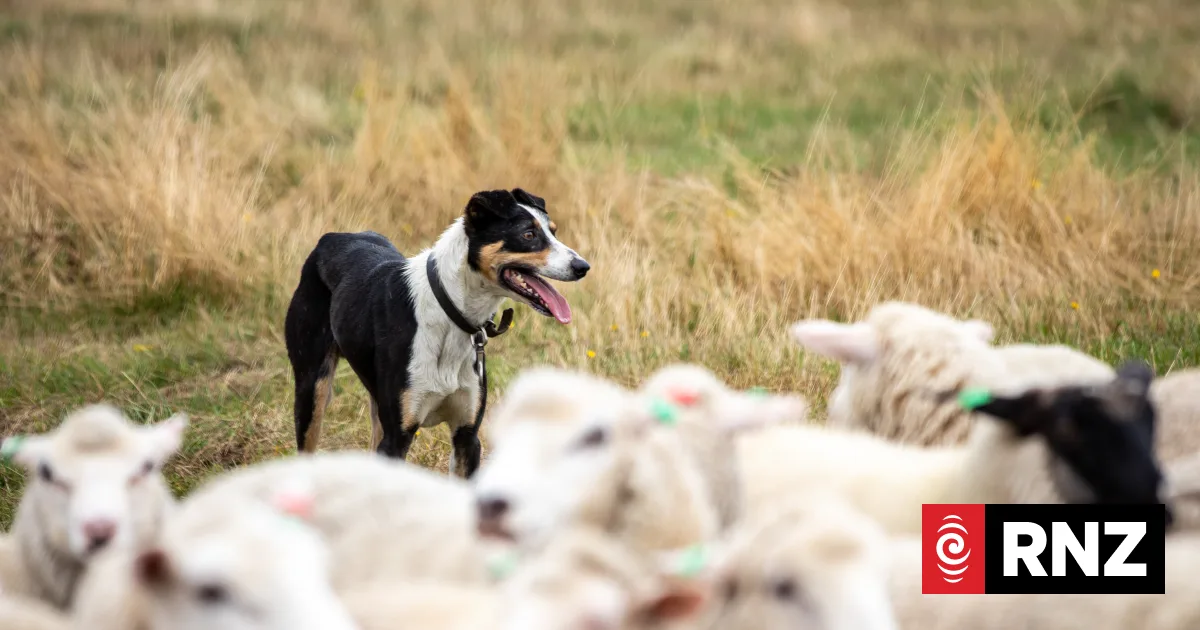
Farmers increasingly view their working dogs as essential tools on their farms, with many owning teams of four to ten dogs, each valued at up to $5,000 or more for those of elite breeding. Dr. Robyn Haasbroek from VetEast, who works with approximately 200 farmers, noted that around half have taken out insurance for their working dogs, though she believes this number should be higher.
Read More
According to Dr. Haasbroek, the decision to insure often hinges on a farmer’s perception of a dog’s worth, both financially and in terms of their bond with the animal. She has seen a wide range of injuries among working dogs, reflecting the demands of their roles. Treatment costs can vary widely; for instance, a dog that suffers a fall and sustains severe injuries could incur expenses of $5,000 to $6,000, even outside a specialist clinic.
The investment in these dogs is significant due to their training and breeding, and Dr. Haasbroek recommends that farmers seriously consider insurance. She highlighted the important distinction between working dog insurance and companion animal insurance, noting that while farmers care for their pets, working dogs have specific job functions. If an injured dog can no longer work, it represents a substantial loss for the farmer, introducing additional financial strain.
Farmers are advised to carefully review their insurance policies. Key considerations include whether coverage extends to death or loss of the dog's ability to work, and if this includes both trauma-related and natural disease incidents. Rural insurer FMG offers a farm dog policy covering specified dogs aged six months to nine years used in farming or dog trials. For specified dogs, it pays the fair market value, while unspecified dogs are covered up to $3,000 for common causes of death such as accidents, diseases, and theft. Additionally, it offers 75 percent compensation for dogs rendered permanently incapable of fulfilling their duties.
FMG's loss prevention manager Abby France mentioned that the dog insurance policies date back to the 1990s, focusing on helping farmers remain operational. The premiums vary based on the dog's value, complicating the calculation of potential costs. She noted that particularly valuable dogs often prompt farmers, especially new shepherds, to consider insurance strongly.
Despite a slight drop of 6 percent in the uptake of dog insurance in recent years, partly due to changes in land use and fewer working dogs, demand appears to be rising. Richard Dawkins, Federated Farmers' meat and wool chair, reported that about half of the organization’s members are purchasing insurance for their working dogs, a trend on the rise. Although he personally does not insure his dogs, he encourages others to consider it, given the strong returns in the sector.
Dawkins acknowledged that some farmers must take on risks related to their dogs. In larger operations, where dogs face greater risks of injury or loss, the likelihood of obtaining insurance is higher. He stressed the importance of farmers understanding their policies.