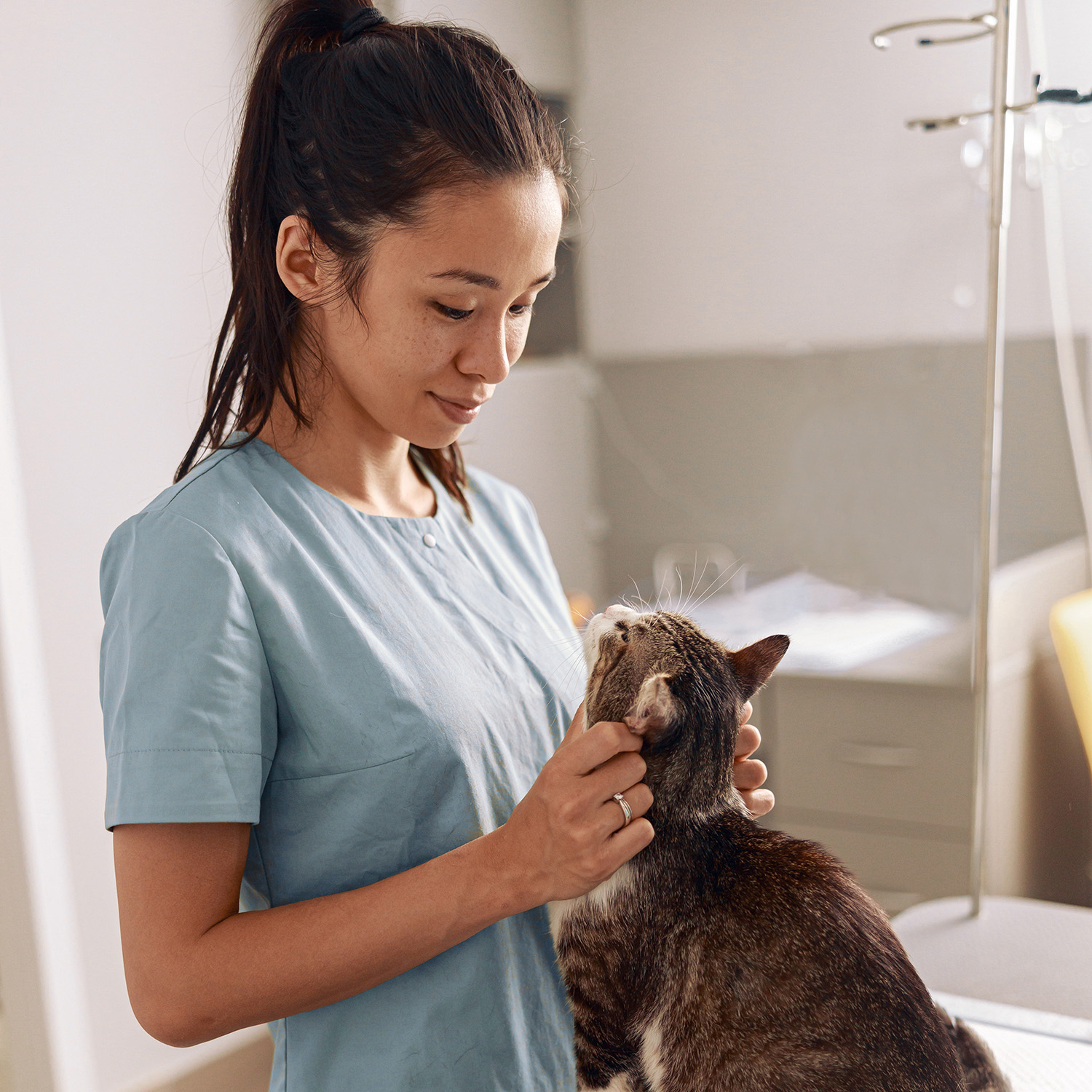
Regular veterinary checkups are essential for maintaining your pet's health. These wellness exams allow veterinarians to assess overall health, detect early signs of illness, and ensure that pets are current on vaccinations and parasite prevention.
Read More
Veterinarian Heidi Cooley, DVM, discussed the necessity of annual wellness exams. Building a relationship between the veterinarian and pet helps the vet recognize subtle changes in behavior, physical condition, or overall health. Regular checkups also allow for early detection of potential health issues, leading to quicker treatment and better recovery outcomes.
Common health issues identified during annual wellness exams include ear infections, obesity, weight concerns, and more serious conditions such as early-stage diabetes. Routine checkups are crucial for preventive care, including vaccinations and fecal exams. Skipping these exams may lead to higher expenses and health concerns in the long run.
Pet owners often wonder how often their pets should have these wellness exams. According to Dr. Cooley:
- Puppies and kittens typically require visits every three weeks until about four months old.
- Healthy adult cats and dogs should be examined every six to twelve months, depending on their individual needs.
- Senior pets should have exams every six months.
- Pets with chronic conditions, such as diabetes or arthritis, may need check-ins every three months for ongoing monitoring.
During a wellness exam, the process usually begins with a discussion about your pet’s behavior and any concerns you might have. This is followed by a comprehensive physical examination, which includes checking vital signs, eyes, ears, mouth, skin, coat, and abdominal area for any irregularities. Updates on vaccinations and discussions about parasite prevention are also standard parts of the visit.
Pet owners should come prepared to the appointment with a list of questions and an update on their pet’s medications or health records. Bringing a fresh stool sample can also aid in screening for intestinal parasites.
Commonly posed questions during these appointments might include concerns about weight, diet, exercise needs, and any observed changes in behavior. This visit also provides an opportunity to discuss how to support a pet’s health as they age.
Maintaining your pet’s health between vet visits is also vital. Owners are advised to provide balanced diets, keep up with preventive medications, ensure regular exercise, and monitor for any changes in their pet’s behavior.
The cost of a routine veterinary exam typically ranges from $50 to $150, with additional services such as vaccinations and lab work possibly increasing the total. A wellness checkup usually includes a physical examination, weight check, vaccination updates, parasitic screening, and nutritional and behavioral assessments. Each veterinary visit contributes to a clearer understanding of a pet’s health and any recommended care moving forward.