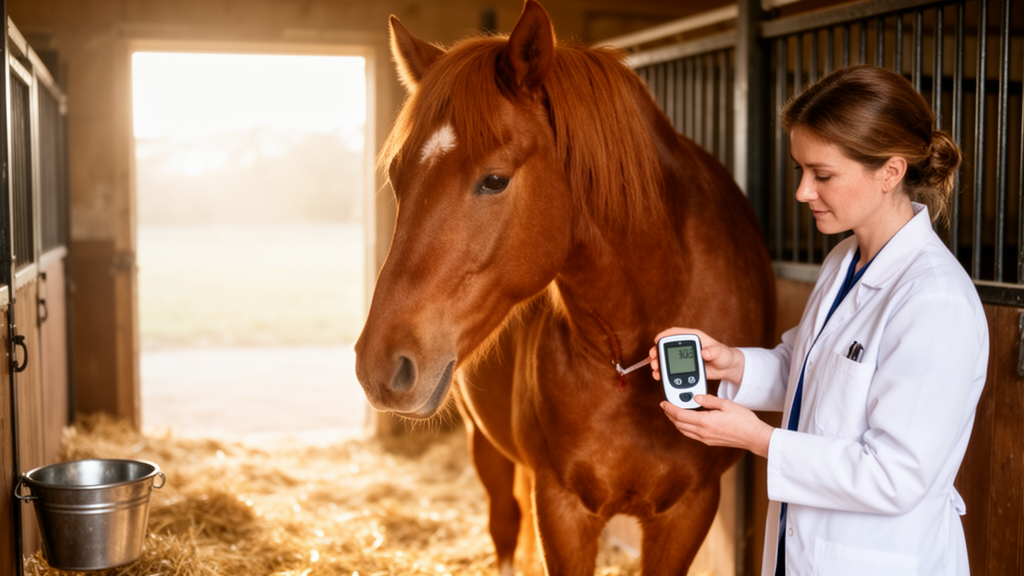
Corticosteroids, while effective anti-inflammatory medications for horses, can lead to insulin spikes that increase the risk of laminitis, a severe hoof condition. A recent randomized crossover trial involving seven healthy horses, published in the Journal of Veterinary Internal Medicine, found that ertugliflozin, a medication used in human diabetes treatment, significantly reduced the insulin surge caused by the corticosteroid dexamethasone. The trial demonstrated that mean daily serum insulin levels declined by approximately 30 to 45 percent in horses given both drugs, indicating that the sodium-glucose cotransporter-2 (SGLT-2) inhibitor can help manage corticosteroid-induced insulin dysregulation in equines.
Read More
The importance of this research is underscored by the established link between high insulin levels, known as hyperinsulinemia, and laminitis. In experimental studies, elevated insulin can lead to structural and metabolic changes in the hoof’s lamellae, potentially resulting in laminitis within a mere three days. Horses on corticosteroids for conditions like purpura hemorrhagica or immune-mediated myopathy are particularly vulnerable, especially if they also suffer from metabolic disorders such as equine metabolic syndrome. Traditionally, veterinarians have had limited options for adjunctive therapies, making the findings of this study a potential breakthrough.
Conducted at the University of California, Davis, the study involved horses with an average age of 12.9 years, all of which had no endocrine diseases. The research utilized a randomized crossover design over 11 weeks, with horses receiving dexamethasone sodium phosphate either alone or in combination with ertugliflozin during two 15-day treatment blocks. Blood samples were taken at various times to monitor insulin and glucose levels across different feeding states.
The results showed that daily insulin concentrations were significantly lower in the combination treatment group: 35.9 microIU/mL compared to 50.6 microIU/mL during the first block, and 18.9 microIU/mL compared to 34.5 microIU/mL in the second block (P < .001). Glucose levels were also significantly reduced on the days dexamethasone was administered.
Interestingly, the glucose measurements showed a clear advantage for the combination therapy, suggesting ertugliflozin mitigated the heightened glucose response typical of steroid administration. However, while the study confirmed that dexamethasone caused insulin dysregulation, the benefits of ertugliflozin were not observed after the drug was withdrawn, indicating a potential limitation of the study's design.
The trial did note some metabolic side effects. Horses on ertugliflozin lost more weight compared to those only receiving dexamethasone, with average losses of 40.1 kg versus 21.5 kg, which aligns with effects seen in human patients. While triglyceride levels increased slightly, they remained within a non-concerning range, and all horses maintained a good appetite. No severe side effects were observed during the study, but transient seizure-like activity occurred in one horse during a tolerance test, which was quickly resolved.
Moreover, variations in diet between treatment blocks impacted insulin concentrations, suggesting diet plays a significant role even in healthy horses receiving steroids. The authors emphasize the need for further research involving horses with natural metabolic diseases to fully evaluate the advantages of combining SGLT-2 inhibitors with corticosteroids in clinical settings.