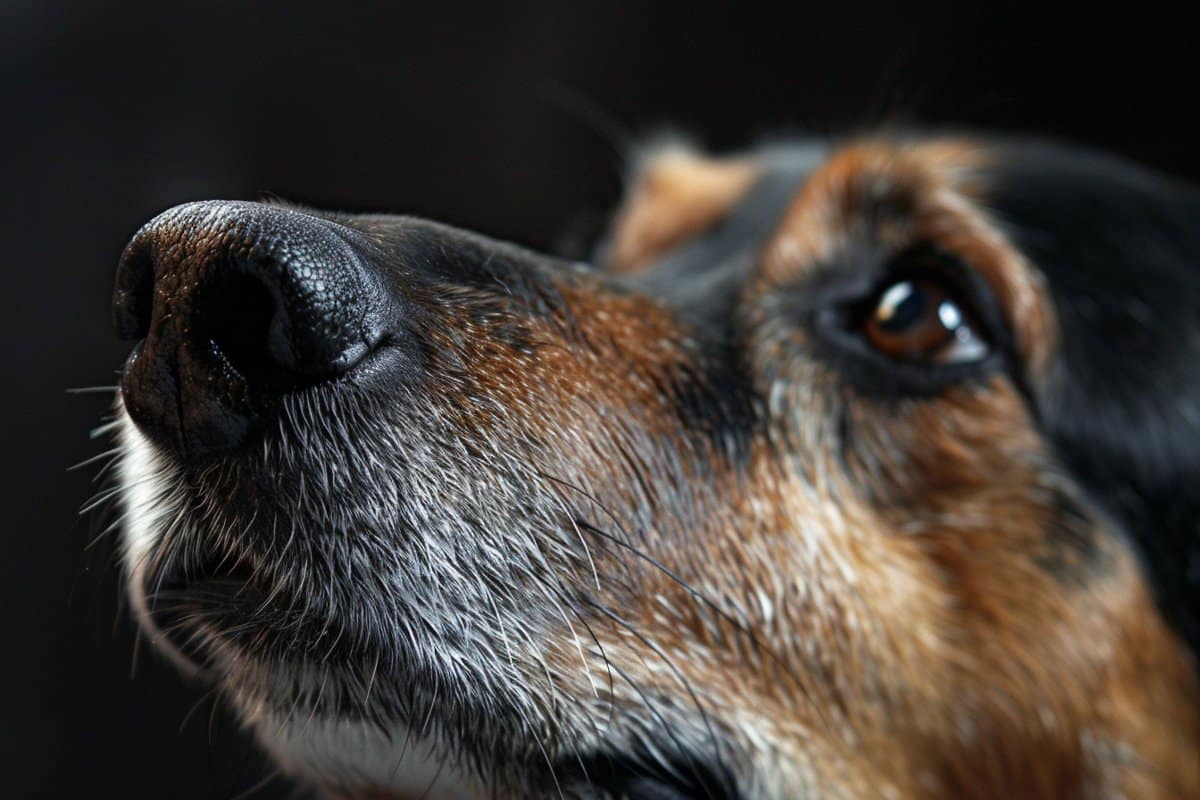
Recent research indicates that dogs possess a general cognitive factor, referred to as the ‘g factor’, that resembles the intelligence structure seen in humans. This finding was made by a team at Eötvös Loránd University (ELTE) after a two-and-a-half-year study involving 129 family dogs. The research focused on broad cognitive abilities such as problem-solving and learning, which interconnect to form this canine general cognitive factor.
Read More
The study revealed that higher scores in the ‘g factor’ correlated with traits including exploratory behavior, novelty interest, and improved learning performance. Additionally, the research found that cognitive abilities in dogs decline with age, particularly in those with poorer health. These insights contribute to our understanding of canine cognition in relation to human intelligence and aging.
Conducted by the Department of Ethology at ELTE, the study involved seven cognitive tasks aimed at assessing dogs' performance across a range of ages from three to fifteen years. Researchers discovered that cognitive performances formed a hierarchy akin to human cognition, with two primary domains identified: independent problem-solving and learning ability. Dogs demonstrating better problem-solving skills were typically quicker learners, affirming the existence of a higher-order ‘canine g factor’.
The study’s authors emphasized the need for understanding individual differences in canine cognition, a topic that has largely been overlooked in existing research. They noted that while dogs have been subjects of comparative studies, fewer have examined the structural organization of their cognitive abilities.
The researchers also confirmed that the ‘canine g factor’ possesses predictive qualities similar to those of the human g factor. Dogs with high scores tended to explore unfamiliar environments more readily and showed greater interest in new stimuli. Moreover, their g scores related to their personality traits as reported by their owners, indicating a link to activity levels, training status, and receptiveness to training.
Parallel trends were observed in cognitive decline due to aging; dogs exhibited a decrease in their ‘g factor’ scores over time. However, the health status of the dogs significantly influenced the rate of decline—the decline was more pronounced in dogs with health issues compared to those in good health, echoing findings in human cognitive aging.
Overall, this research underscores the similarities between canine and human aging, positioning dogs as valuable models in studies of cognition and aging, potentially offering insights into the evolution of intelligence across species.
The study, titled "Age-related effects on a hierarchical structure of canine cognition," was published in GeroScience and provides a foundational understanding of canine intelligence dynamics over time.