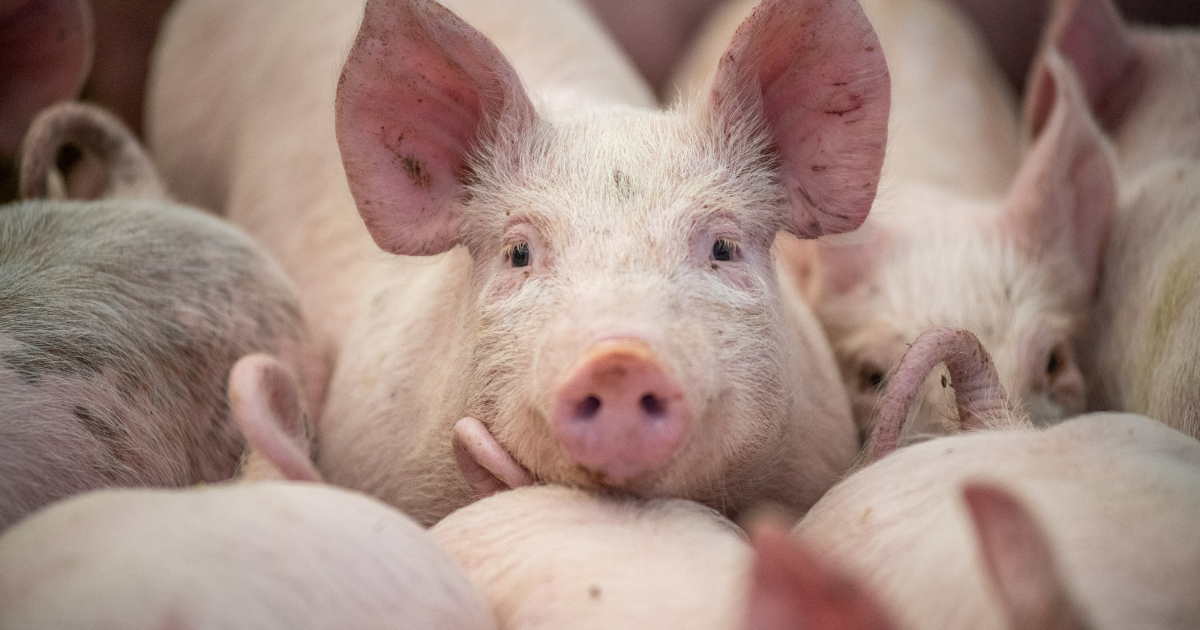
Proposition 12, recognized as the strongest animal welfare law in the United States, has survived numerous repeal attempts following its approval by California voters in 2018. The law prohibits the extreme confinement of breeding pigs, egg-laying hens, and veal calves, establishing specific space requirements for each species. Additionally, it bans the in-state sale of meat and eggs produced under such confinement, influencing many out-of-state producers to adopt its standards to retain access to the California market.
Read More
Since its passage, Proposition 12 has significantly impacted animal welfare. When enacted, less than 20% of eggs produced nationwide were cage-free; by July 2025, that figure is projected to reach 45.7%. Despite these improvements, experts note that the law does not address other harmful livestock practices, such as the castration of piglets and debeaking of chickens.
A variety of stakeholders, including politicians, food producers, voters, and judges, have defended Proposition 12. The law has faced several legal challenges asserting it violates the interstate commerce clause. The North American Meat Institute and the National Pork Producers Council filed lawsuits claiming that Proposition 12 unfairly burdened out-of-state producers. Both cases were rejected by the courts, with the Supreme Court allowing the law to stand in a 5-4 ruling, asserting that the types of pork California merchants can sell are not constitutional issues.
Despite a dismissal of a subsequent lawsuit by the Trump Administration in 2025, which claimed Proposition 12 violated the Egg Products Inspection Act, attempts to repeal the law continued in Congress. The Ending Agricultural Trade Suppression (EATS) Act, proposed in 2023, aimed to negate Proposition 12 but did not pass the farm bill. Further attempts, including the Food Security & Farm Protection Act in 2025, and the Save Our Bacon Act, were also unsuccessful.
Some Republicans have voiced support for Proposition 12. Texas Agriculture Commissioner Sid Miller argued against repealing it to honor states' rights, as did a group of 16 House Republicans who sent a letter in 2023 urging rejection of the EATS Act. In contrast, other Republican voices against repeal expressed concerns about potential benefits to the Chinese government from dismantling the law.
The law's resilience can be attributed to its broad coalition of supporters, encompassing animal rights activists, egg producers, and a variety of political figures. This diversity has helped it withstand challenges in the electoral, judicial, and congressional arenas. As Sara Amundson, president of Humane World Action Fund, noted, lawmakers from both parties recognize the importance of states’ rights and the interests of consumers and voters in their support of Proposition 12.