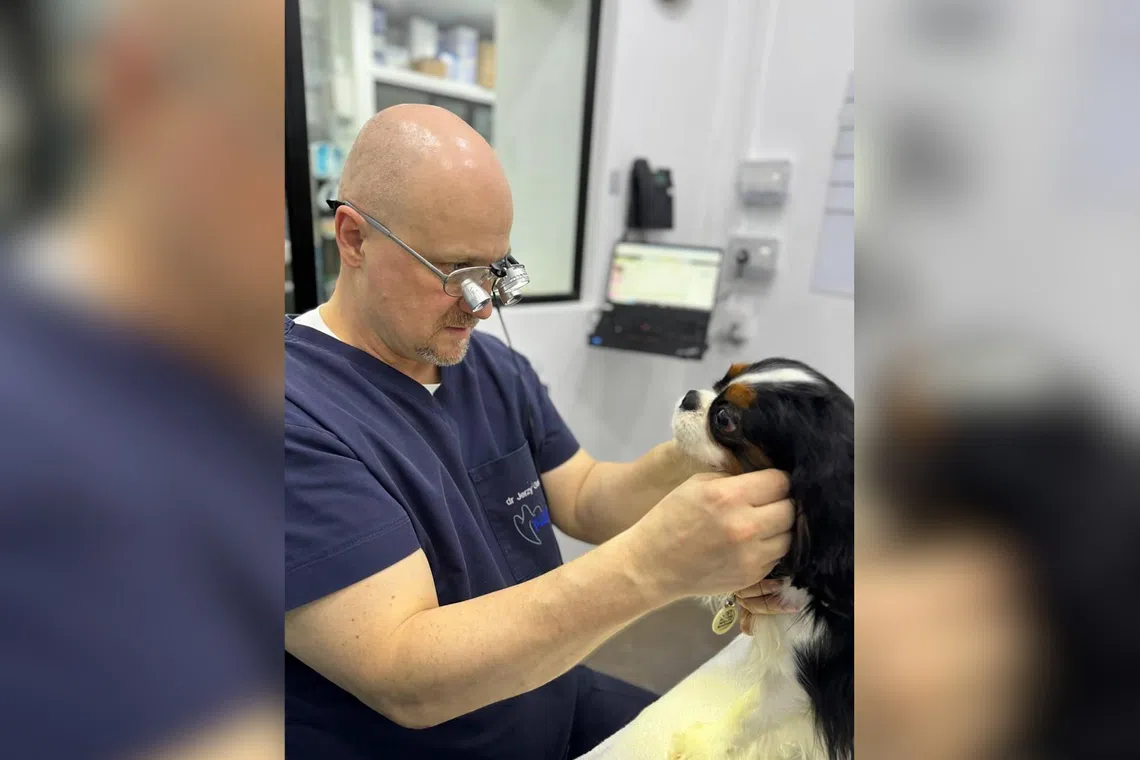
SINGAPORE – Milo, a nine-year-old poodle, appeared healthy and energetic until a routine check-up revealed a fractured tooth and inflamed gums. Despite his ongoing enjoyment of food and walks, Milo had been suffering from dental pain for months, which is not uncommon among pets.
Read More
Dental health issues in cats and dogs can lead to pain, infections, and difficulties in eating. These problems, often masked by the animals' behavior, are particularly prevalent in small breeds and older pets. Conditions such as gum disease, tooth resorption, broken teeth, and misaligned jaws are frequently encountered and underscore the critical importance of proper dental care.
Pets typically do not show signs of discomfort until the problem has escalated, which makes early detection challenging. Symptoms of dental pain may include loss of appetite, reluctance to open the jaw, bad breath, excessive drooling, and bleeding gums.
Dogs have 42 teeth, while cats possess 30. Both species transition from deciduous (baby) teeth to permanent teeth between four and seven months of age. Healthy teeth play a vital role in a pet’s overall well-being, influencing food intake and mental health.
Ongoing dental issues necessitate regular monitoring and care. When a tooth cannot be saved, extraction becomes necessary—a procedure that, while sometimes unavoidable, must be performed with careful pain management.
Preventive care is a focus in veterinary medicine today. A comprehensive oral health program consists of three main components: diagnosis during routine check-ups or specialized dental visits often requiring anesthesia, treatment based on that diagnosis, and proper home care following veterinary advice. Each aspect relies on the collaboration between pet owners, veterinary professionals, and the pets themselves.
A full oral examination generally requires general anesthesia to alleviate pain and anxiety during evaluation. Veterinary dentistry encompasses a range of preventive and therapeutic interventions, guided by evidence-based approaches and the expertise of the veterinary team.
Experts in veterinary dentistry treat various dental conditions, including gum disease, injuries, and oral tumors, ensuring meticulous attention to anesthesia and recovery processes. Recent advancements in veterinary dental practices focus on improving diagnostics and treatment, especially for age-related dental diseases in senior pets.
Effective home care is essential, incorporating methods to control plaque and tartar build-up. Options may include tooth brushing, oral cleansing gels, supplements, and specialized diets tailored to the pet’s individual needs and the owner’s ability to maintain compliance.
Working alongside a veterinary team to establish a personalized dental care plan is crucial for every pet’s long-term health and quality of life. Jerzy Gawor, a visiting veterinary dental specialist at Vet Central and president of the World Small Animal Veterinary Association, emphasizes that with appropriate care, dogs and cats can achieve and maintain good oral health.
Vet Talk is a recurring column where veterinarians provide insights on pet care topics.