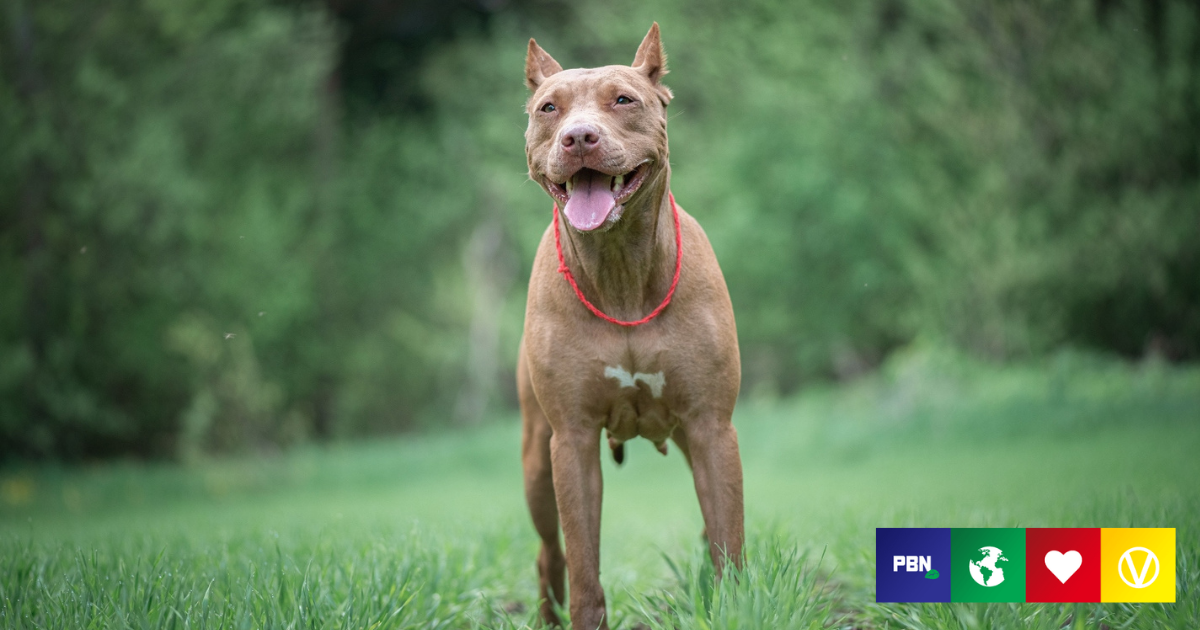
A new study from the University of Massachusetts Umass Chan Medical School has found that a dog's behavior is largely not determined by its breed. Analyzing data from 18,385 pet dogs, half of which were purebred, the research suggests that individual behavior traits are not closely linked to breed ancestry.
Read More
Historically, dog breeding has only been a formal practice for about 150 years, primarily beginning in the Victorian era for specific physical traits. This has led to breed stereotypes, such as the belief that pit bulls are aggressive, while golden retrievers are friendly and intelligent.
The study indicates these reputations may not accurately reflect individual behavior. The authors noted, "Breed offers little predictive value for individuals, explaining just nine percent of variation in behavior." While some dog traits may be influenced by genetics, environmental factors also play a significant role.
Despite their common negative perceptions, the research highlighted that pit bulls and retrievers exhibited sociable behaviors, often showing comfort around new people. Unfortunately, pit bulls face significant prejudice, leading to higher rates of shelter placement and difficulty in adoption.
To combat this issue, organizations such as Adopt a Pit, a nonprofit founded in 2013 in Miami Valley, work to promote the adoption of pit bulls and other breeds considered aggressive. Dr. Elinor Karlsson, the study's lead author, emphasized in comments to the Guardian that owners should consider their dog's individual behaviors rather than relying on breed stereotypes.