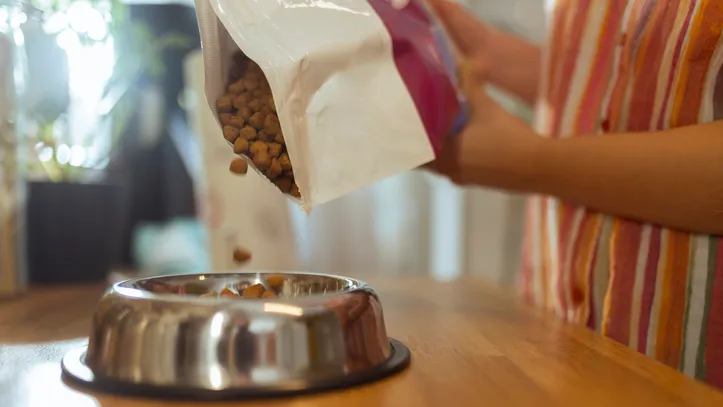
On July 27, 2026, the Food and Drug Administration (FDA) updated its list of recalled pet foods, highlighting issues such as potential salmonella and listeria contamination, vitamin deficiencies, and foreign materials like plastic. Recent recalls have prompted pet owners to scrutinize pet food labels more closely.
Read More
One such recall occurred on August 14, 2026, when Oma’s Pride voluntarily recalled a batch of its Woof Complete Canine Chicken Recipe. This recall affects 639 six-pound bags, which come from lot number BB012729 and have a best-by date of January 27, 2029. The affected food was sold directly to consumers online and distributed across 11 states. So far, three illnesses in dogs have been reported; no human illnesses are associated with this product. Pet owners are advised to stop feeding the recalled food immediately and to clean any utensils or containers that have come into contact with it.
Pet food recalls can arise due to several issues, including bacterial contamination, nutritional deficiencies, undeclared ingredients, packaging errors, and labeling mistakes. Dr. Ann Hohenhaus, a senior veterinarian at the Schwarzman Animal Medical Center, notes that recalls can be initiated voluntarily by manufacturers, recommended after FDA inspections, or mandated if companies do not take action. The seriousness of a recall often depends on its underlying cause.
It is recommended that pet owners carefully read recall announcements and verify the product’s name, package size, lot number, and expiration date. While a recall does not usually affect all products from a brand, multiple recalls from a single company could signal the need for alternatives, which a veterinarian can help assess. The FDA maintains a searchable recall list which is valuable for owners to check.
When reading pet food labels, the nutritional adequacy statement is crucial. It should indicate that the food is "complete and balanced" for the associated species and life stage of the pet. Different stages of life, such as growth, adult maintenance, and special health needs, require different nutrient profiles. Additionally, pet owners should be mindful of calorie counts since these can vary based on factors like size, age, and activity level.
Terms like "natural," "premium," and "human-grade" are often more marketing tools than indicators of better nutrition. For example, while "premium" lacks formal definitions and does not guarantee superior quality, "natural" foods do not inherently offer health benefits over non-natural options. Similarly, grain-free diets are not always healthier, as many dogs digest grains without issue.
Unlike common misconceptions, ingredients like meat meal and byproducts contribute essential nutrients and are not merely fillers. Meat meal contains animal tissue with water and fat removed, while animal byproducts often include nutrient-rich organs. A mixture of ingredients rather than the position of a single item on the ingredient list offers a more comprehensive picture of a pet food’s quality.
For those considering raw or freeze-dried pet foods, it’s important to note that raw foods can carry harmful bacteria and may pose storage challenges. Veterinary professionals often recommend discussing feeding options with a veterinarian, especially for those with compromised immune systems or homes with young children.
When purchasing and storing pet food, it’s advisable to buy directly from the manufacturer or an authorized retailer. Pet owners should be cautious with prices that seem unusually low and inspect packaging for any damage or discrepancies before purchase. Proper handling, such as washing hands and cleaning utensils after each use, is essential.
If a recall occurs, pet owners are encouraged to immediately stop feeding the recalled product and follow the disposal instructions in the recall notice. Even if a pet appears healthy, consulting a veterinarian is strongly advised, especially if symptoms such as vomiting, diarrhea, lethargy, or appetite loss arise. Owners should save packaging and leftover food and consider reporting any problems through the FDA’s complaint portal.