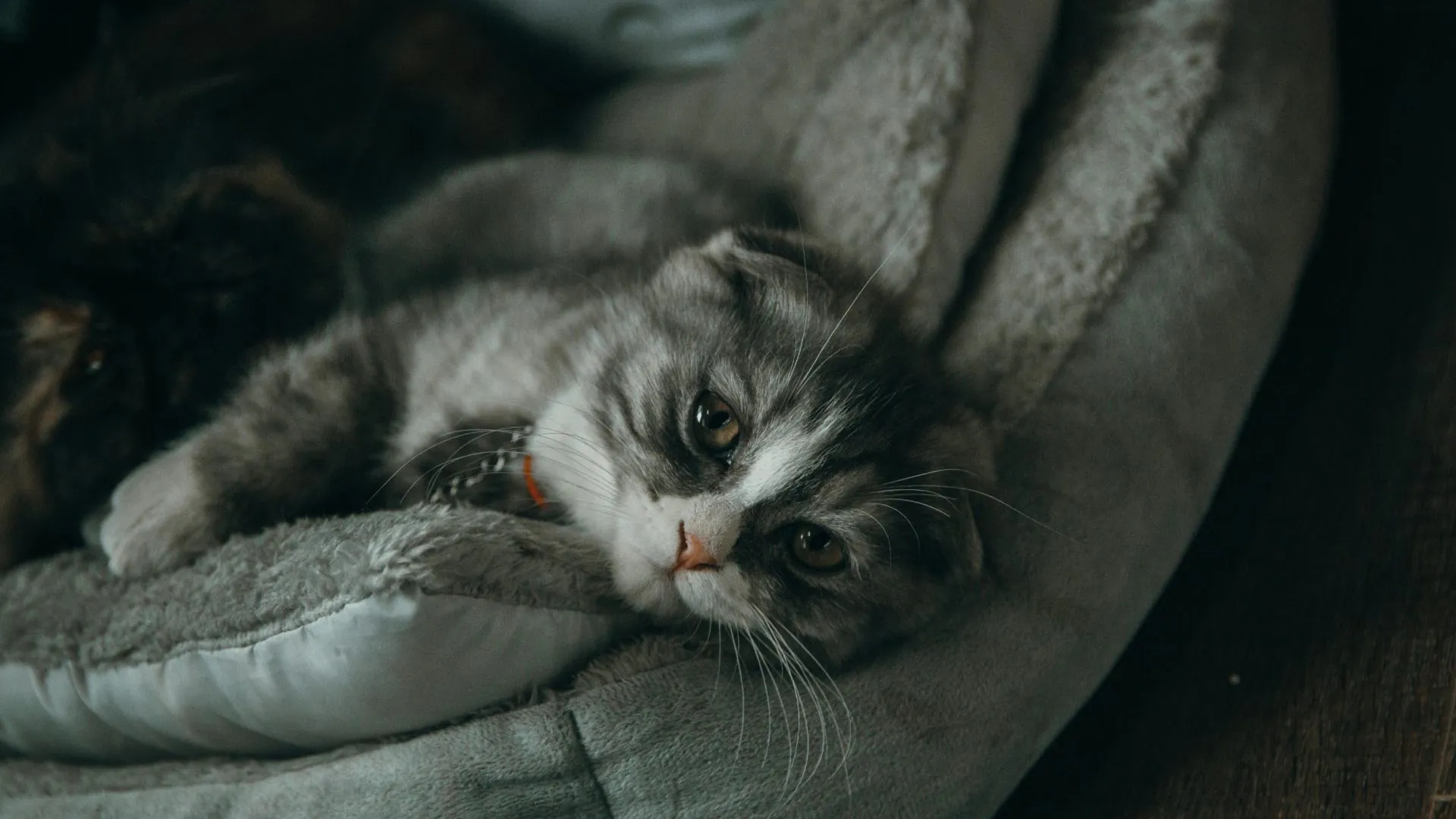
In Sweden, animal welfare regulations prohibit leaving cats alone for extended periods without human interaction. This law reflects a commitment to protecting animals, acknowledging that they are sentient beings capable of experiencing pain, stress, and loneliness. Under these regulations, cat owners are required to check on their pets at least twice a day to ensure their well-being.
Read More
Swedish authorities emphasize that, contrary to the belief that cats are entirely independent, these animals also require social interaction and mental stimulation. The legislation is based on the understanding that prolonged solitude can lead to boredom, stress, and behavioral issues in cats. Therefore, it encourages daily engagement with pets, whether through play, care, or simply being present.
For those who have to be away for an extended time, the law necessitates arranging for someone—such as a relative, neighbor, or professional pet sitter—to check on the cat. Leaving a cat alone for several days with only food and water is explicitly deemed unacceptable. Regular monitoring also allows for the assessment of the cat's living environment and overall conditions.
Sweden's cat welfare standards include various guidelines concerning the space allocated for the animal, air quality, and the availability of equipment like scratching posts. These rules encompass not just the nutritional needs of cats, but also their behavioral and emotional requirements.
In cases of neglect or mistreatment, Swedish authorities can intervene, issuing warnings or mandating changes to improve living conditions. If health or well-being is jeopardized, more severe penalties may be imposed. By mandating daily visits and regular interaction, Sweden emphasizes the importance of respecting the physical and emotional needs of domestic animals, showcasing a stricter animal protection model compared to many other countries.