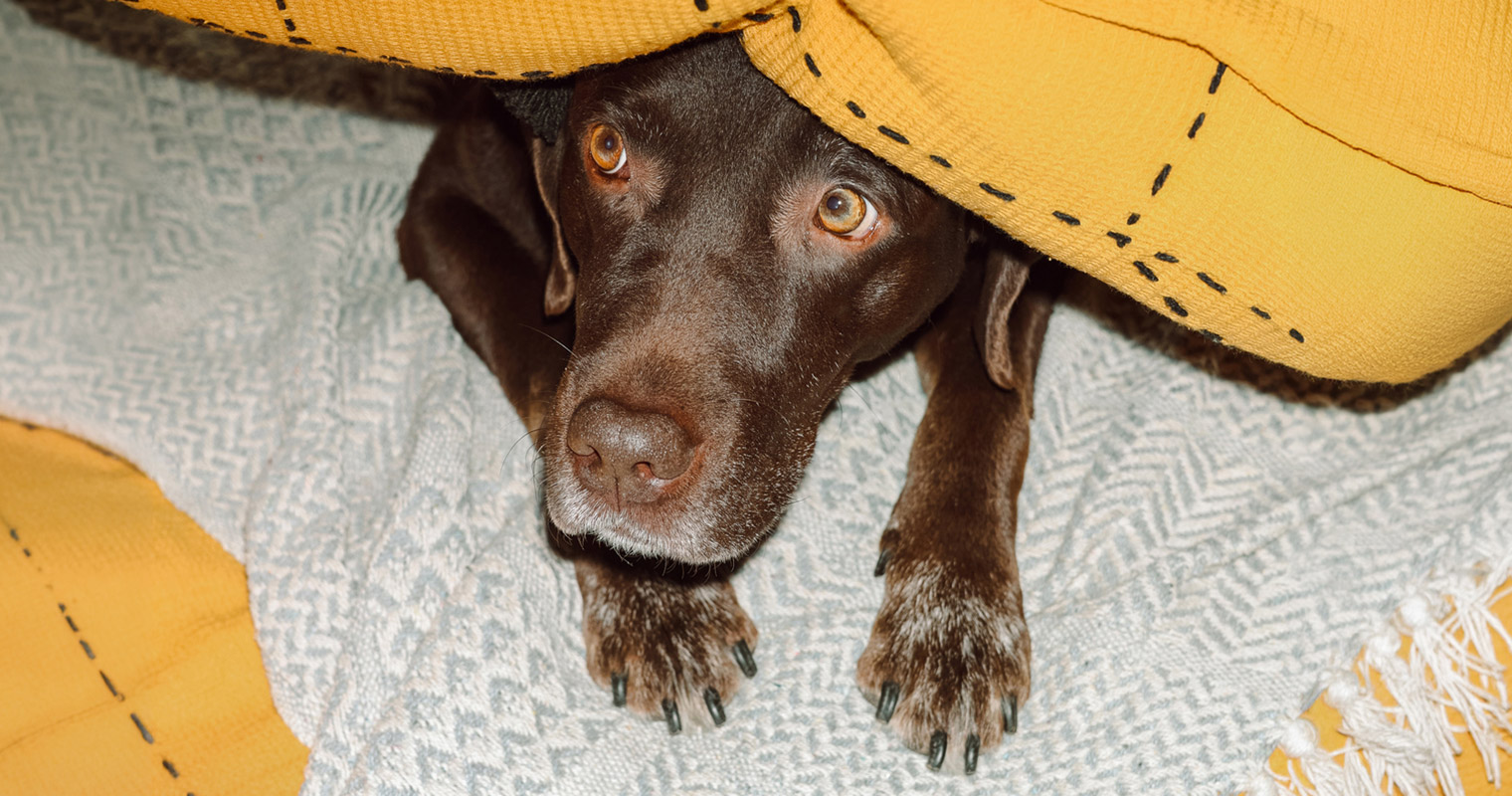
Pet health anxiety is a common concern for many pet owners, often stemming from deep love and attachment to their animals. Many pet parents, including myself, find themselves searching online for answers to questions like "why does my dog have spots on its tongue?" or "is it normal for my dog to pant excessively?" This concern can escalate into anxiety about leaving pets with family members or even leaving them alone at home.
Read More
To better understand and manage these feelings, experts were consulted, including Dana Varble, the chief veterinary officer for NAVC; Bethany Hsia, a veterinarian and co-founder of CodaPet; Debra Kissen, a psychologist and founder of Light on Anxiety CBT Treatment Centers; and Ayesha Ludhani, a psychologist.
Varble emphasizes the importance of trusting one's instincts when something seems off with a pet. She advises that if a pet owner feels concern, they should get their pet checked by a veterinarian. The role of the vet is not to judge a parent’s anxiety but to assess the health of the animal through examinations and tests. Varble notes that even negative test results can provide valuable information and peace of mind.
Psychologist Kissen explains that pet owners may transfer their own health anxieties onto their pets due to the emotional bond they share. As pets cannot express their feelings verbally, any uncertainty about their health can be particularly distressing. Ludhani adds that a heightened state of vigilance about a pet's health can lead to stress-related behaviors in the pet, further complicating the situation for anxious owners.
Health anxiety in pet care can be characterized by excessive monitoring of a pet’s behavior, often interpreting slight changes as indicators of serious health issues. Hsia explains that many worries stem from a lack of knowledge about what behaviors are normal for pets. This gap can lead to unnecessary anxiety.
Unlike Munchausen syndrome by proxy, where a caregiver deliberately induces or exaggerates illness, health anxiety in pet owners is rooted in genuine concern and not in harmful intentions. Hsia points out that proactive pet owners are simply trying to ensure their pets' well-being.
Differentiating between being careful and being anxious is crucial. Hsia encourages pet owners to share their worries with their veterinarian to address them properly. Ongoing communication with vets can help clarify when concerns are warranted.
Kissen notes that health anxiety can disrupt daily life, making it vital for owners to track how much their worries impact their routines and enjoyment of their pets.
To manage health anxiety, Varble suggests discussing concerns with veterinarians to create action plans that alleviate uncertainties. Additionally, pet owners should communicate their anxieties to their vets for reassurance.
Ludhani advises that rather than completely eliminating monitoring behaviors, pet parents should gradually reduce constant observation and limit check-ins to once a day. Acknowledging anxious thoughts and using mindfulness techniques can also be beneficial. Education about pet behavior, as Hsia explains, empowers owners to make informed decisions and distinguish between normal variations and true issues.