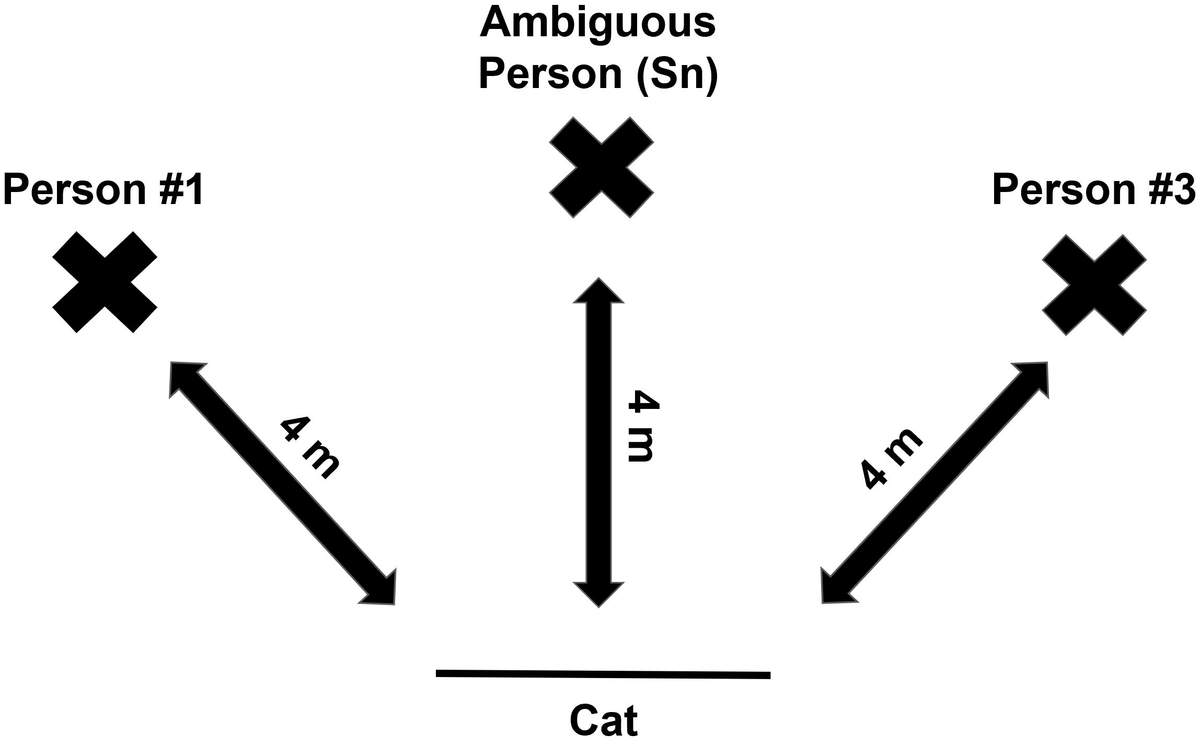
Cats are one of the most popular pets worldwide, yet training and socialization opportunities for kittens are limited. This study investigated the effects of a 6-week training and socialization class for kittens aged between 3 and 8 months. It compared the class kittens with control kittens that did not participate in the program. Both groups underwent a cognitive bias test to evaluate their discrimination learning and emotional outlook, using metrics such as their response to ambiguous stimuli to determine levels of optimism or pessimism.
Read More
The hypothesis was that training and socialization would enhance learning capabilities and contribute to a more optimistic outlook in the class kittens. Results showed that kittens who attended the socialization class maintained their task discrimination skills over time, while the control group demonstrated a decline. A total of 63 kittens participated, with 31 in the experimental group and 32 in the control group. While no significant difference in cognitive bias latencies was observed between the two groups—where 36 kittens were tested—both groups displayed a decrease in latency to approach the ambiguous stimulus over time, indicating a generally optimistic shift.
The findings suggest that training and socialization classes may significantly influence both learning and emotional well-being in pet cats. The study is notable as it is the first to apply the cognitive bias test to pet cats, expanding the understanding of how social experiences affect feline cognition.
Prior studies have demonstrated the importance of emotional states in animal behavior, informing how they engage with their environments and learn from experiences. While this study did not find differing cognitive bias latencies between class and control kittens, the overall increase in optimistic behavior across both groups suggests a natural trend as kittens matured. Further research could explore the long-term effects of such training on cognitive growth as the kittens transition into adulthood.