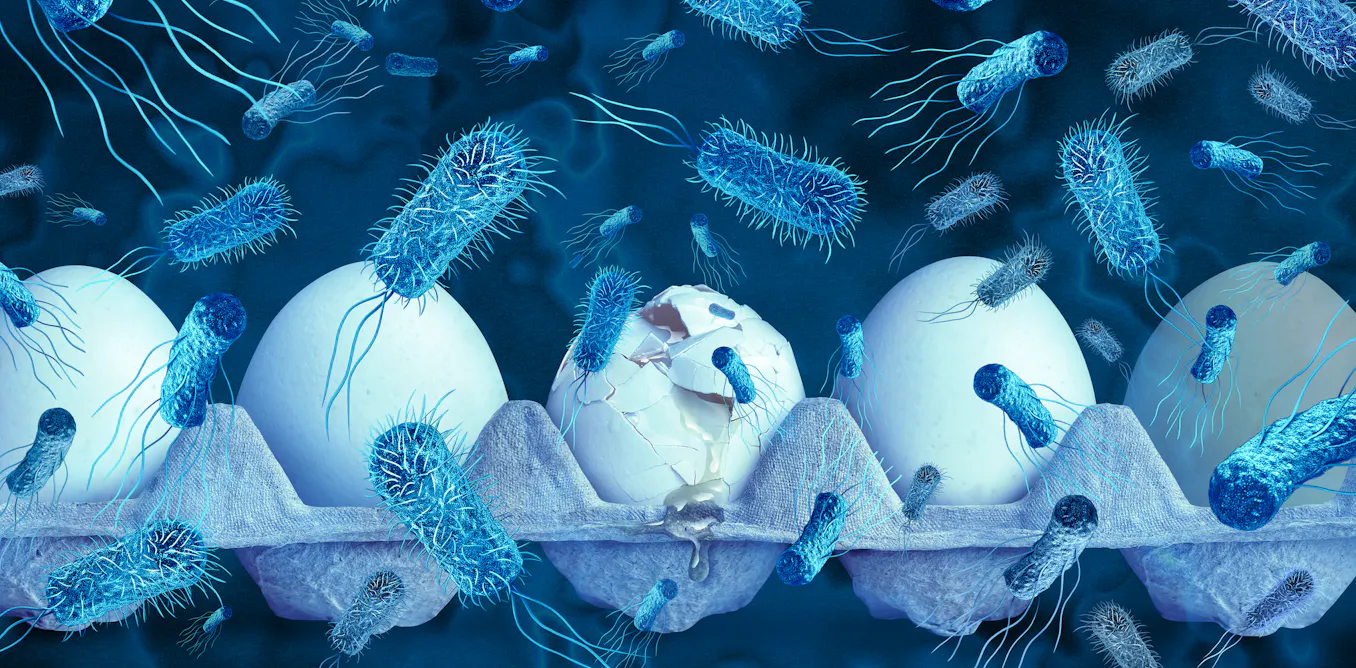
Salmonella has become a widespread concern, affecting various aspects of daily life, from the food we eat to the pets we care for. The U.S. Centers for Disease Control and Prevention (CDC) reported 10 Salmonella outbreaks in 2026, linked to sources like jalapeno peppers, backyard poultry, shell eggs, moringa leaf powder, and reptiles such as turtles and chameleons.
Read More
Over the years, Salmonella outbreaks have also been associated with home-delivery meals, dry dog food, and various produce, including cantaloupe, cucumbers, and diced onions. Outbreak identification occurs when two or more individuals become ill after consuming the same contaminated food. While it may seem that cases have increased in 2026, CDC data indicates that the number of outbreaks has remained fairly consistent over the past five years. However, cuts to federal public health agencies under the Trump administration have raised concerns about the potential for increased food safety risks.
Salmonella is the second most common foodborne illness globally, with approximately 1.35 million infections in the U.S. each year. Of these, about 26,500 individuals are hospitalized, and roughly 420 die annually. The actual infection numbers may be higher, as many people recover at home without seeking medical care. Children, older adults, pregnant individuals, and those with weakened immune systems are particularly vulnerable. The economic impact of Salmonella infections, in terms of medical expenses and lost wages, is estimated at $2.4 billion per year in the U.S.
The bacterium primarily originates in the intestines of humans and animals but is also common in the environment. Once excreted, Salmonella can contaminate a wide range of surfaces and foods, thriving in environments with temperatures ranging from 35.6°F (2°C) to 129.2°F (54°C), neutral acidity, and high humidity. Its adaptability to various conditions allows it to persist in diverse environments.
Salmonella can be found in soil, water, plants, and animals, including recreational bodies of water and untreated water used for irrigation. The bacterium spreads through the fecal-oral route, where pathogens from an infected person's or animal's feces enter another individual’s gastrointestinal system through the mouth.
Symptoms of Salmonella infections typically develop 8 to 72 hours after consumption and can last from 3 to 5 days. Common symptoms include severe stomach cramps, watery diarrhea (sometimes with blood or mucus), headache, nausea, and loss of appetite. A specific type, Salmonella Typhi, leads to typhoid fever and has significant implications for public health in regions like Africa and South Asia.
To reduce the risk of Salmonella infection, it is essential to maintain good hygiene and food safety practices. Regular hand-washing is crucial, especially after using the restroom, before preparing or consuming food, and after handling animals. Proper hand-washing should take at least 20 seconds, including thorough scrubbing of all hand surfaces.
When preparing food, it is vital to clean and sanitize food contact surfaces, particularly after they come into contact with raw meats and eggs. Washing all produce under cool running water is important, and raw foods should be kept separate from cooked foods. Cooking temperatures should reach the required internal standards: 145°F (62.8°C) for beef, pork, and fish; 160°F (71.1°C) for ground meats; and 165°F (73.9°C) for poultry and casseroles. Foods that require refrigeration should be kept below 40°F (4.44°C), exposed to warmer temperatures for less than two hours, and surfaces touched by backyard poultry or reptiles should be cleaned and sanitized.
By implementing proper food safety measures and hygienic practices, individuals can significantly reduce their risk of illness from Salmonella and help prevent its spread.