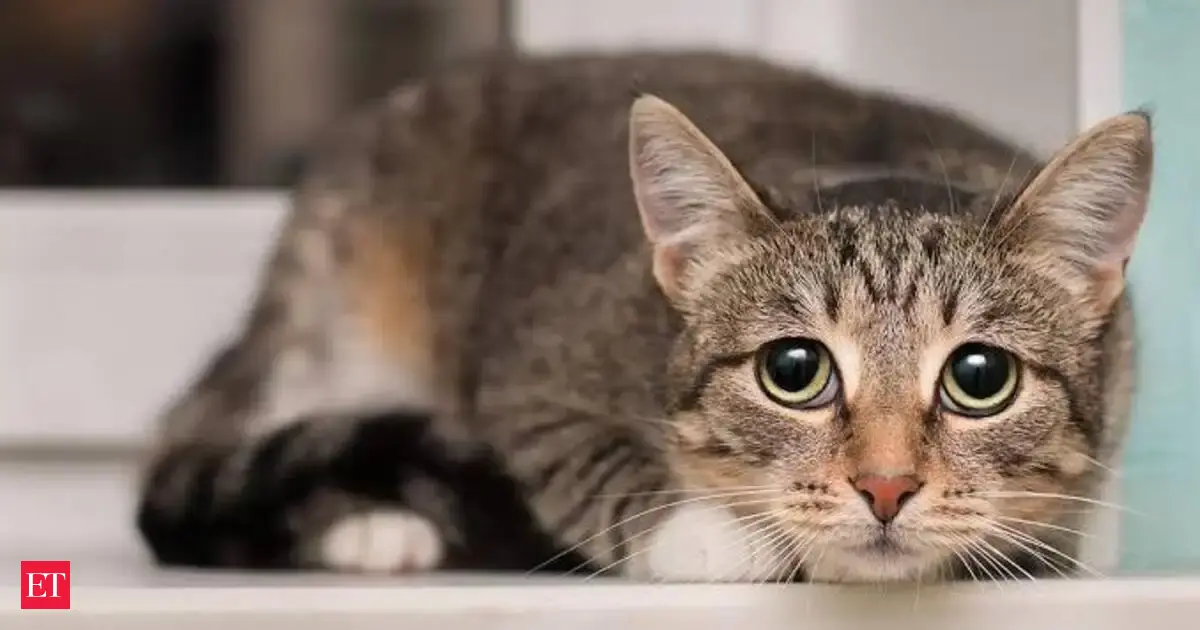
Research indicates that cats can form strong emotional bonds with their owners, leading to behaviors that some may interpret as signs of loneliness. Common behaviors such as waiting by the door, sleeping on a favorite sweater, or increased affection following a vacation can be reflections of these attachments. Unlike dogs, who express excitement more overtly, cats exhibit signs of attachment through quieter behaviors, acknowledging their owners as sources of comfort and security.
Read More
A significant study from Oregon State University in 2019 discovered that around 65% of cats displayed secure attachment behaviors towards their caregivers, suggesting that they rely on familiar humans for reassurance while exploring their surroundings.
Cats' responses to their owners leaving can vary based on their individual personality, history, and socialization. While some may vocalize more or linger near familiar spots, others may choose to engage with objects that carry their owner's scent. Subtle changes, such as following their owners around or seeking closeness, might be indications of a desire to reconnect after a separation.
For owners planning to be away from home, maintaining familiar routines is essential. Cats thrive on consistency, and any disruptions to their schedules can cause stress. Simple measures, like ensuring regular feeding times and play sessions, can help mitigate anxiety during an owner's absence.
Unlike dogs, cats do not comprehend the notion of temporary separation. Therefore, gradual preparation is key. Experts recommend employing a trusted caregiver to look after cats during longer absences rather than leaving them completely alone.
Environmental enrichment is vital for indoor cats, and experts suggest providing climbing areas, scratching posts, and interactive toys to keep them engaged. Familiar scents, such as a recently worn shirt, can also comfort a cat since their strong sense of smell makes them reliant on familiar odors to feel secure.
While research into separation-related stress in cats is still developing, some veterinarians and behaviorists are becoming increasingly aware that some felines exhibit stress responses similar to those seen in dogs. Changes in routine and strong attachments can lead to indicators of stress, such as increased vocalization, altered eating habits, or excessive grooming.
It’s crucial, however, for pet owners not to rush to conclusions about every behavioral change as separation anxiety. Some behaviors might require attention or adjustment time after an owner's return, and a sudden decline in a cat's well-being should prompt a visit to the vet to rule out health issues.