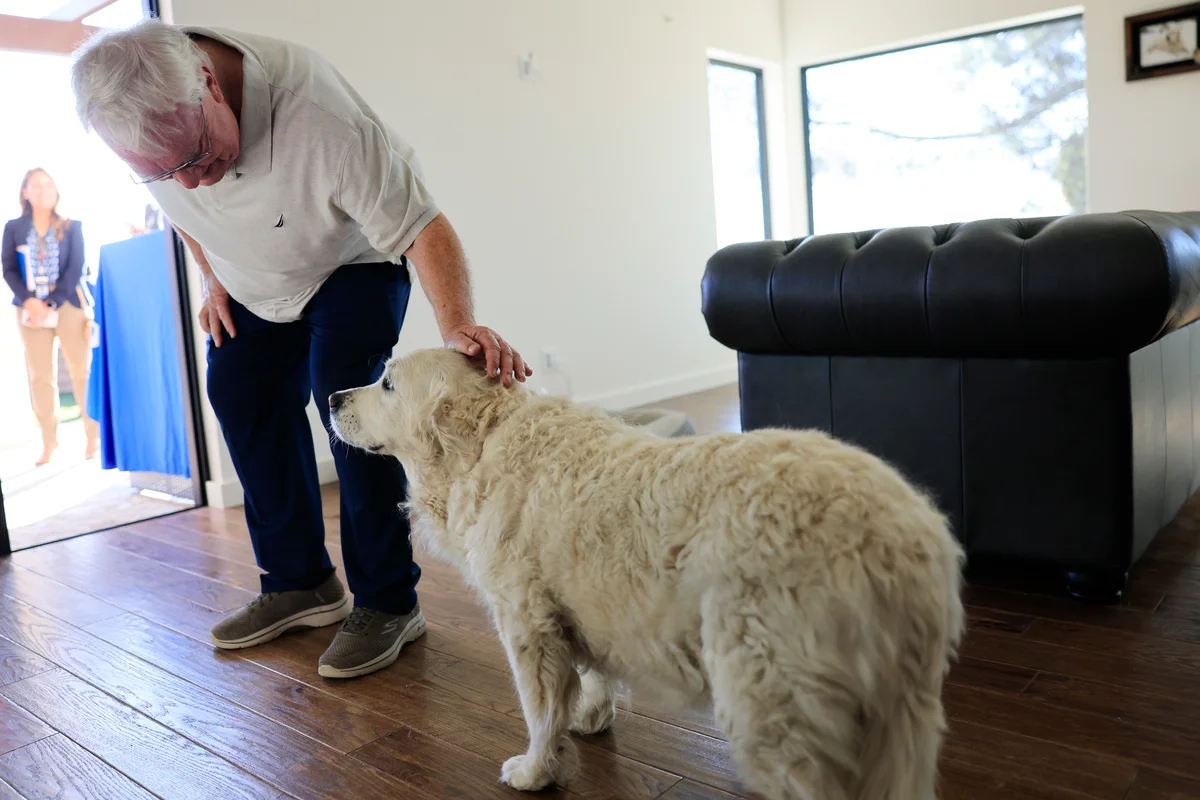
A recent national poll indicates that pet ownership can enhance the health and well-being of older Americans. Out of nearly 2,700 adults aged 50 to 93 surveyed, more than half reported that having a pet improved their daily lives. Specifically, 44 percent noted that pets increased their physical activity, while 63 percent experienced reduced stress, which can exacerbate health problems.
Read More
The poll highlights mental health benefits as well, with 83 percent of respondents stating that pet ownership provides a sense of purpose. Additionally, 63 percent felt loved because of their pets, and 35 percent found help in coping with physical or emotional issues. A significant 70 percent reported feeling more connected with others, a connection linked to better health outcomes according to the Centers for Disease Control and Prevention.
Dr. Preeti Malani, a professor at the University of Michigan Medical School and a dog owner, stated that the results emphasize the crucial role animals play in the lives of older adults, contributing to healthy aging.
Comparing the current poll to a similar one conducted in 2018, researchers found that while the overall percentage of older adults with pets has remained steady, the number who report that their pets provide a sense of purpose has increased by 10 percent. However, the proportion of adults claiming that their pets help them cope with physical or mental symptoms has decreased from 60 percent in 2018 to 34 percent, with a 20 percent drop in those stating their pets encourage physical activity and a 16 percent decline in those who found pets to reduce stress.
Financial constraints are a growing concern, with 31 percent of pet owners aged 50 and older reporting that the cost of pet care strains their budgets. According to the American Pet Products Association, 94 million households in the U.S. have at least one pet, but more individuals are forgoing pet ownership due to financial considerations. The percentage of those citing cost as a reason for not having pets rose from 21 percent in 2018 to 33 percent in 2025. Additionally, there was a rise of five percent in those who felt they lacked the time to care for a pet and a four percent increase in those who did not believe they were healthy enough for pet ownership.
Dr. Malani noted that individuals who could benefit most from pet ownership may also face significant financial challenges.