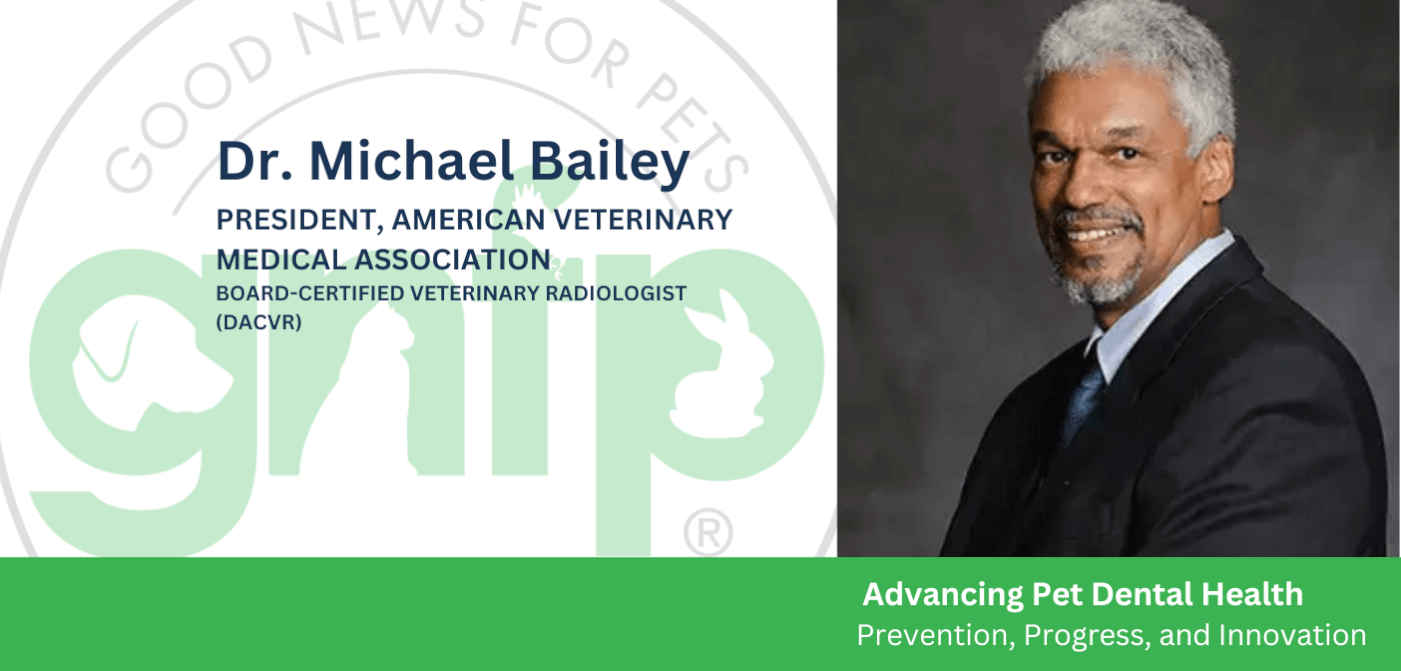
Dr. Michael Bailey, president of the American Veterinary Medical Association (AVMA), highlighted the significance of pet dental health during an interview for Pet Dental Health Month. He emphasized that while February serves as a reminder, maintaining oral care for pets should be a year-round priority to prevent dental disease and its associated health issues.
Read More
In the realm of veterinary dentistry, Bailey discussed the emerging role of Artificial Intelligence (AI). He noted that AI's integration into veterinary care is anticipated to enhance diagnostics and patient management, leading to better access to care. For example, AI can analyze dental radiographs and facilitate consultations without requiring pets to travel for specialist opinions. Furthermore, AI may assist veterinarians in personalizing treatments based on individual patient needs, such as identifying antibiotic sensitivities.
Regarding anesthesia concerns during dental procedures, Bailey mentioned that AI could potentially shorten the duration of anesthesia or even diminish its necessity in the future by detecting situations that traditionally required anesthesia. He underscored that the involvement of veterinarians remains crucial in conjunction with AI technology, as the human touch in patient care is irreplaceable.
The AVMA promotes awareness of pet dental care, particularly in February, because dental health is often overlooked. Many pet owners mistakenly believe that healthy-looking teeth indicate overall dental wellness. However, Bailey stressed that most dental disease, particularly periodontal disease, occurs below the gumline, often going unnoticed yet significantly contributing to chronic conditions in pets, including heart and kidney disease.
Statistics indicate that by age three, about 80% of dogs and 70% of cats exhibit signs of oral disease. Bailey expressed concern that the figure for cats may actually be higher, given their reluctance to undergo dental examinations.
The discussion also addressed the importance of anesthesia for effective dental cleanings. Bailey explained that pets, unable to verbalize discomfort, may react unpredictably during procedures without anesthesia, potentially leading to injury or complications. He highlighted that thorough cleaning requires sedation, as simple scraping does not adequately remove bacteria from teeth.
For pet owners, Bailey advised that regular home dental care, like brushing, can significantly impact their pets’ oral health. Early introduction to dental care can foster familiarity and reduce the risk of dental disease over time.
As for other animals, Bailey noted that any pet with teeth, including rabbits and horses, requires attention to dental health to prevent issues related to overgrown teeth.
In conclusion, Bailey encouraged pet owners to prioritize dental health as part of their overall health plan for their pets, emphasizing the long-term benefits of regular dental care in reducing future healthcare costs and ensuring a better quality of life for pets.