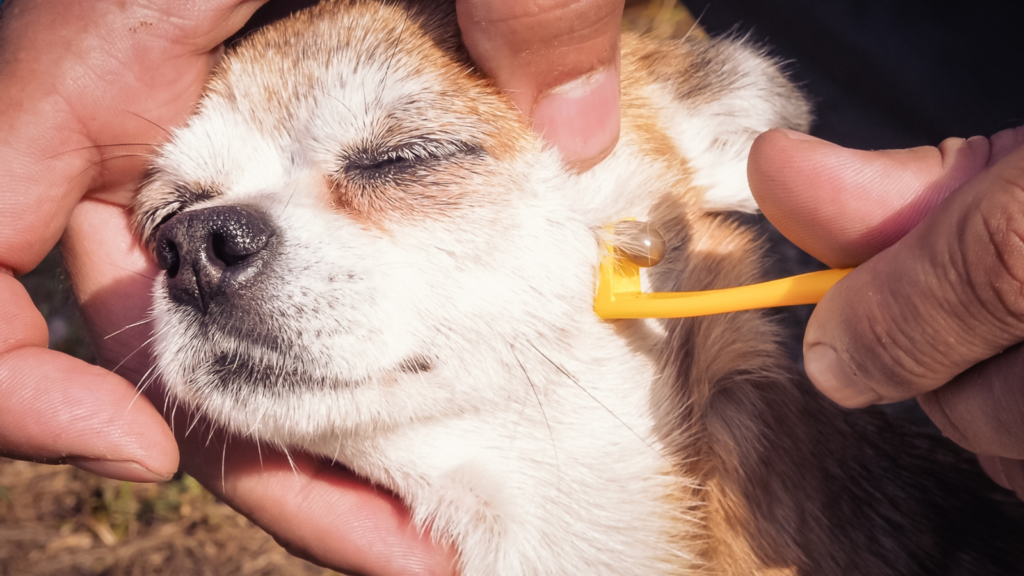
As spring arrives, bringing warmer weather and blooming flowers, pet owners must also be vigilant about the resurgence of parasites such as fleas, ticks, and heartworms. These pests can pose serious health risks to pets, making it essential to implement effective prevention measures.
Read More
Parasites can lead to a variety of health concerns for pets, ranging from mild discomfort to severe diseases. Fleas can cause allergic reactions, tapeworm infestations, and intense itching leading to skin infections. Ticks are known vectors for dangerous diseases like Lyme disease and anaplasmosis. Heartworms, spread by mosquitoes, primarily affect dogs but can also infect cats, and can result in significant harm to a pet’s heart and lungs if left untreated.
To shield your pets from these parasites, consider the following prevention strategies:
**Fleas**
Fleas are highly active during warmer months, and even a few can result in a widespread infestation. They can cause itching, hair loss, and, in severe cases, anemia.
- Use veterinarian-recommended flea prevention treatments.
- Regularly groom your pet to check for fleas or signs of scratching.
- Vacuum frequently and wash pet bedding in hot water to eliminate flea eggs and larvae.
**Ticks**
Ticks inhabit grassy and wooded areas and can cling to pets during outdoor activities. They can transmit diseases such as Lyme disease.
- Employ tick preventatives advised by a veterinarian.
- Conduct thorough checks for ticks after outdoor excursions, especially around pets' ears, neck, and underbelly.
- Maintain a neatly trimmed yard to reduce tick habitats.
**Heartworms**
Heartworms are mainly spread through mosquito bites and can lead to fatal outcomes if not prevented.
- Administer heartworm preventatives as prescribed by a veterinarian.
- Stay away from mosquito-heavy areas, particularly during dawn and dusk.
- Consider using pet-safe mosquito repellents in high-risk locations.
**Intestinal Parasites**
Pets can also contract roundworms, hookworms, and whipworms from contaminated environments.
- Follow a year-round deworming schedule recommended by your veterinarian.
- Keep the pet's area clean by promptly disposing of feces.
- Regularly have your pet's stool tested during veterinary visits.
To further protect your pets, the Toronto Humane Society offers Pet Health Insurance through Petline, featuring a Secure 4 plan that includes Preventive Care coverage. This plan covers routine exams, vaccinations, and parasite prevention, ensuring pets receive the necessary care throughout the year.