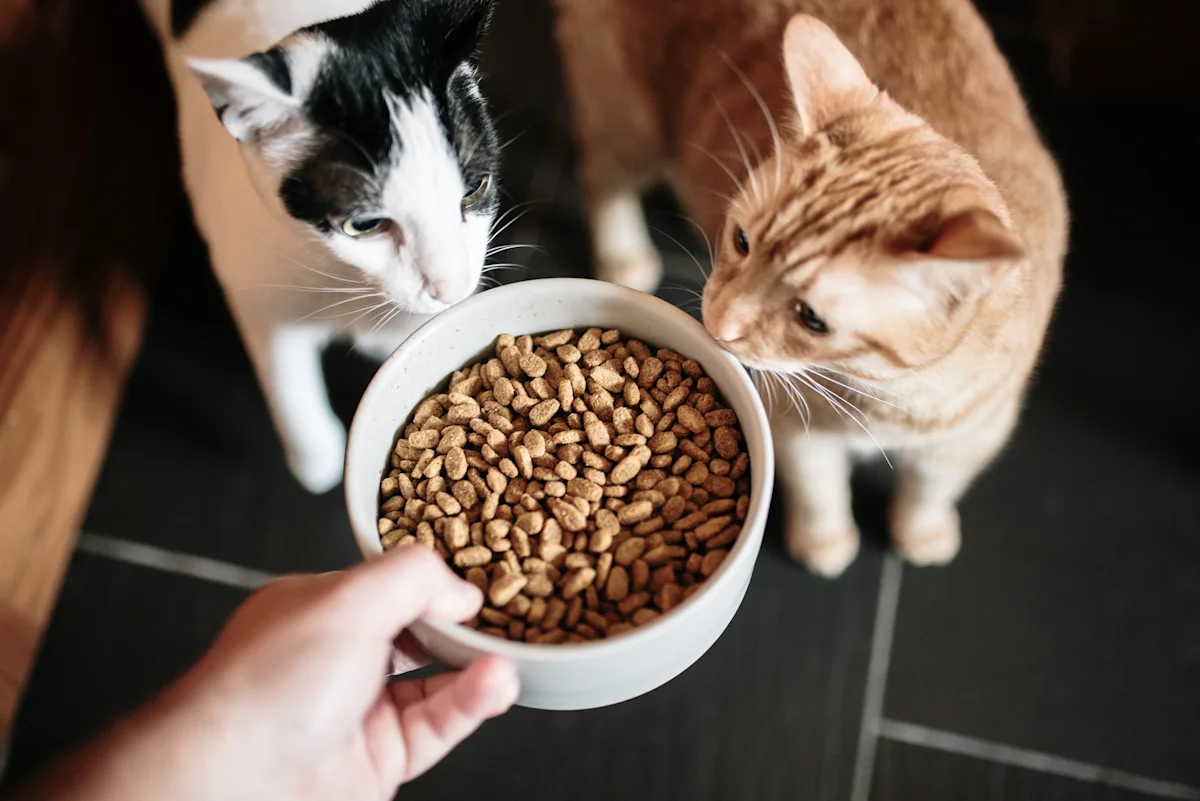
When selecting dry cat food, it's essential to pay close attention to nutritional labels. Many brands use appealing phrases like "healthy proteins" or "added vitamins" on their packaging, but may also include undesired additives. To better inform pet owners, veterinarians have identified key ingredients to prioritize in cat diets.
Read More
1) **Named Animal Proteins**: Domestic cats are obligate carnivores that require meat for nutrition. Dr. Nathaniel Rakestraw, a veterinarian, emphasizes the importance of having a named animal protein, such as chicken or salmon, as the first ingredient. Avoid products listing generic terms like "meat meal" as the primary ingredient.
2) **Meat Meals**: Ingredients like "chicken meal" or "salmon meal" are concentrated protein sources and can be beneficial, provided they are specified. Rakestraw advises against unspecific terms like "poultry meal" to ensure ingredient clarity.
3) **Taurine**: This crucial amino acid supports various bodily functions, including heart and eye health. Because cats cannot synthesize taurine, any quality cat food should include it.
4) **Omega Fatty Acids**: Essential for skin health and reducing inflammation, omega-3 and omega-6 fatty acids should be included in a cat's diet. Rakestraw notes that fish oil and flaxseed are ideal sources of these fatty acids.
5) **Chelated Minerals**: These minerals, often found as "zinc proteinate" or "copper chelate," are bound to amino acids for better absorption. Rakestraw indicates that their presence reflects a manufacturer’s commitment to nutrient quality.
6) **Moderate Carbohydrates**: While cats do not require carbohydrates in the same way humans and dogs do, some amount is necessary for kibble production. Rakestraw recommends carbohydrates from sources like sweet potatoes or peas, avoiding corn and wheat as fillers.
7) **Added Vitamins and Probiotics**: Incorporating additional vitamins and probiotics can enhance your cat's immune system and digestive health. These nutrients are vital for nutrient absorption and can alleviate digestive issues, as noted by pet owners observing improvements in their cats.
### Ingredients to Avoid
Veterinarians, including Dr. Kelly Hood, advise avoiding vague ingredients like "meat by-products" and artificial additives such as dyes and preservatives, which add no nutritional value and may pose health risks. Additionally, sugar should be eliminated from cat food, as it can lead to weight gain and other health issues.
### Recommended Cat Food Brands
Rakestraw highlights several trustworthy brands. Purina Pro Plan is notable for its veterinary backing and quality protein sources. Another recommended brand focuses on specific dietary needs and stringent ingredient sourcing. For a higher protein diet with minimal fillers, a different brand emphasizes high meat inclusion and named regional ingredients, although at a higher price point.