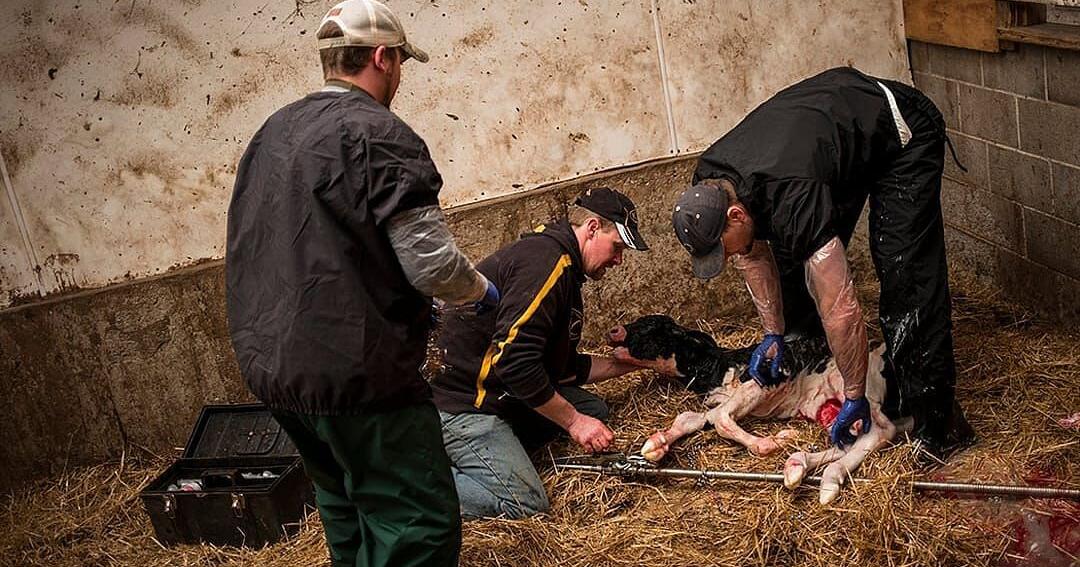
A significant shortage of veterinarians specializing in farm animal care is affecting U.S. farmers and the welfare of livestock. This issue arises while the U.S. Department of Agriculture (USDA) supports initiatives to bolster beef production. As of 2024, the USDA identified 240 regions with a deficit of farm veterinarians, with fewer than 15% of veterinary graduates pursuing careers in agricultural animal care due to factors such as lower compensation and challenging working conditions.
Read More
The implications of this shortage are alarming. Veterinary professionals play a critical role in food safety and disease prevention, and their absence can lead to increased disease risk and economic losses for farmers. Reports indicate that farmers may resort to selling off livestock due to a lack of veterinary care, resulting in financial strain.
Animal welfare is also at stake; approximately 10 billion land animals are raised annually for food in the U.S. Experts suggest that the lack of qualified veterinarians can contribute to animal suffering and premature death.
In regions like Ohio, the ratio of veterinarians to livestock is concerning. A report mentions that seven veterinarians serve 57,200 cattle in one area, while another reports 12 vets for 71,500 cattle. Iowa faces similar challenges, with just 60 veterinarians responsible for over 5.1 million farm animals, averaging more than 106,000 animals per veterinarian.
Transporting sick or injured livestock for care poses additional welfare risks. Dr. Mark Ernst, Illinois state veterinarian, highlights that farmers sometimes must drive long distances for basic veterinary services, jeopardizing the well-being of the animals. In some instances, farmers have reported cases of livestock dying en route to veterinary care.
Dr. Crystal Heath, a California veterinarian, emphasizes that stressed or injured animals can be difficult to transport and may suffer further during relocation. In cases where animals are immobile, treatment can be impossible without a veterinarian on site, leading some owners to consider euthanasia when no alternatives exist.
While nearly 73% of new veterinary graduates in 2024 pursued careers in companion-animal practice, only 3.3% entered food-animal practice, according to the American Veterinary Medical Association. This trend reflects a preference for better working conditions in urban settings compared to rural farm operations.
A USDA report cites high educational debt and more attractive work environments as primary reasons for the veterinary shortage. In Texas, the state veterinarian has reported increasing difficulty in finding livestock veterinarians, which impairs farmers' ability to make informed decisions regarding their herds.
Recent studies indicate that, due to the shortage, farmers might resort to self-diagnosis and misuse of antibiotics, which raises significant concerns about antibiotic resistance and overall animal health.
To uphold animal welfare standards, a greater number of veterinarians is crucial, especially in areas like Christian County, Illinois, where emergency services have not been available for years. Dr. Ernst and Dr. Heath both argue that the issue lies not only in the lack of vets but in the overwhelming number of animals needing care, complicating veterinarians' ability to provide individualized attention.